What are the four pillars of ISO 41001 Certification?

An effective Facility Management System (FMS) is significant to ensure smooth operation in the dynamic business world. The International Organisation for Standardisation (ISO) published ISO 41001 Certification to align and meet the demand for standardised procedures in facility management. Organisations may manage their facilities with the help of ISO 41001 accreditation. The certification follows four core principles to establish a robust and long-lasting facility management system. Four Pillars of ISO 41001 for Facility Management System (FMS) The four pillars of ISO 41001 certification are as follows: ⮯ First Pillar of ISO 41001 – Leadership and Management Leadership and Management is at the core of ISO 41001. Moreover, it highlights the value of healthy leadership commitment and effective management systems to implement facility management practices. The Top Management must establish a clear vision for facility management, aligning it with the organisation’s overall objectives. However, defining roles and responsibilities and allocating resources can help organisations improve their internal working. Comprehensive leadership helps create policies and strategies to address the organisational needs and challenges. The management system must promote principles of accountability, transparency, and collaboration among all stakeholders. Organisations can also instil a sense of purpose and direction by ensuring the facility management aligns seamlessly with the broader business strategy. Second Pillar of ISO 41001 – Operation The operation focuses on the day-to-day activities and processes involved in facility management. Moreover, it highlights the importance of efficiency and sustainability in the operation. Organisations with ISO 41001 certificates must establish and maintain processes to deliver quality services to meet regulatory and occupant requirements. It also focuses on asset management and space utilisation to implement preventive and corrective maintenance measures. However, organisations must assess and optimise resource usage to manage energy consumption and waste management to enhance overall operational performance. Organisations can minimise downtime through systematic planning and execution. Moreover, ensuring effective operations helps to reduce costs and create a safe and comfortable environment for customers, clients, and stakeholders. Third Pillar of ISO 41001 – Performance Evaluation Continuous improvement is the cornerstone of ISO 41001 Certification. It highlights the significance of performance evaluation to assess and enhance the effectiveness of the facility management system. Organisations must establish performance metrics and indicators to monitor and evaluate the overall performance of a Facility Management System (FMS). However, organisations conduct regular audits, inspections, and management reviews to identify areas for improvement and maintain compliance with legal and regulatory requirements. Performance evaluation is a tangible aspect of facility management. However, it also monitors customer satisfaction by taking stakeholder’s feedback to adapt to ever-changing circumstances. Organisations can make informed decisions by systematically reviewing performance data to implement corrective actions. Fourth Pillar of ISO 41001 – Planning Planning lays the groundwork for the successful implementation of ISO 41001. It focuses on strategic planning and risk assessment to develop a robust business continuity framework. Organisations must identify and prioritise the significant aspects of their Facility Management System (FMS) by defining the stakeholders and their needs. Strategic planning involves setting objectives and defining processes by allocating resources to achieve desired outcomes. Business continuity planning ensures that organisations can respond effectively to unforeseen events by causing minimum impact on facility management and maintaining a high level of service delivery. Conclusion ✅ Organisations seeking to improve their facilities management system can use the extensive guidelines provided by ISO 41001 Certification. Organisations can increase productivity and well-being while cutting expenses and improving efficiency by incorporating the four pillars of ISO 41001 into operations. ISO 41001 offers a road map for businesses to adjust to changing business conditions and prosper in the fast-paced field of facility management.
Why is ISO 22000 a Valuable Tool for Minimising Foodborne Hazards?
Unsafe or contaminated food can severely affect public health, due to which food producers, consumers, and regulatory agencies have serious concerns about food safety. Moreover, it causes businesses to suffer financial and reputational losses. ISO 22000 is a globally recognised standard for managing food safety management systems. What are foodborne diseases and hazards? Foodborne diseases are illnesses caused by consuming contaminated food. Moreover, these can be due to biological, chemical, or physical agents that can contaminate food and lead to hazards. These hazards can occur at any stage of food production, from farm to table. However, food safety standards provide proper food handling, preparation, and sanitation to prevent foodborne diseases and reduce the risks associated with these hazards. ISO 22000:2018 Certification ISO 22000:2018 Certification is a comprehensive international standard that outlines the requirements for a Food Safety Management System (FSMS). This standard applies to all organizations in the food supply chain, from primary producers to retailers and food service providers. ISO 22000 focuses on preventing and managing food safety hazards by ensuring the safety of the final food product. The standard also follows Hazard Analysis and Critical Control Points (HACCP) and incorporates a risk-based approach to ensure food safety. It provides a framework for organizations to identify, evaluate, and control food safety hazards by ensuring the safety of food products from farm to fork. ISO 22000: A Valuable Tool for Minimising Foodborne Hazards ⮯ The International Organisation for Standardisation (ISO) has developed the ISO 22000 standard to identify risks and hazards related to food safety. Moreover, it also acts a valuable to minimise foodborne hazards and threats in the following ways :- ISO 22000 follows a systematic approach to food safety to establish, implement, and maintain an effective food safety management system. This systematic approach ensures food safety measures throughout the entire food supply chain. ISO 22000 mandates an organisation to identify and evaluate all potential food safety hazards within business operations. Moreover, this includes biological, chemical, and physical hazards. It requires organisations to conduct a thorough hazard analysis and implement preventive measures to minimise the risks associated with these hazards. The standard emphasises the importance of prerequisite programs, such as sanitation, personal hygiene, and pest control, for maintaining a hygienic environment. These programs form the foundation for a robust food safety management system. ISO 22000 incorporates HACCP principles, a systematic and preventive approach to identifying food safety hazards. HACCP involves identifying critical control points in the food production process by establishing controls to prevent or eliminate risks and threats. Effective communication is a significant element of ISO 22000. The standard encourages communication within the organisation and along the food supply chain. Moreover, it ensures that all stakeholders are aware of food safety risks and control measures, helping to prevent foodborne hazards. ISO 22000 promotes a culture of continuous improvement in food safety management. Organisations must regularly review and update their food safety management systems to address emerging hazards and changing conditions. ISO 22000 helps organizations meet legal requirements related to food safety. Businesses can reduce the risk of legal issues, regulatory fines, and product recalls by adhering to this standard and protecting their reputation. ISO 22000 is an internationally recognised and accepted food safety standard. Achieving an ISO 22000 certificate can enhance an organisation’s reputation and open doors to global markets. Many customers and partners prefer to work with ISO 22000-certified food suppliers, as it assures safe food products. ISO 22000 certification instils confidence in customers. When consumers see the ISO 22000 logo on a food product, it builds trust in the high quality of the products. ISO 22000 encourages collaboration within the food supply chain. When all stakeholders, from food producers to distributors, adhere to the same food safety standard, it creates a cohesive approach to minimizing foodborne hazards. The standard requires organizations to establish procedures for emergency response, including potential food safety incidents. Moreover, it can minimise the impact of foodborne hazards when they occur and reduce their impact within the supply chain. ISO 22000 aims to protect the health and well-being of consumers. Organizations contribute to reducing the incidence of foodborne illnesses and related health risks by systematically managing food safety. The primary focus of ISO 22000 is food safety, but it also has economic benefits. The standard Minimises the risk of foodborne hazards and reduces the financial repercussions, legal actions, and damage to an organisation’s reputation in the long term. Conclusion ✅ ISO 22000 is a valuable tool for minimising foodborne hazards due to its systematic and preventive approach to food safety. It emphasises hazard analysis, HACCP principles, and continuous improvement to identify, assess, and control food safety risks. ISO 22000 is a global benchmark for food safety management systems, and its adoption can contribute to the overall sustainability and success of organizations in the food industry.
ISO 9001:2015 Certification: Building a Foundation for Sustainable Business Success
ISO 9001:2015 is an internationally recognised Quality Management System (QMS). Achieving ISO 9001 certification can provide a solid foundation for organisations to sustain growth and long-term business success. Moreover, this standard outlines a systematic method to streamline various business processes and manage quality within an organization. ISO 9001 follows a customer-centric approach to demonstrate its commitment to continual improvement and customer satisfaction. What is ISO 9001 Certification? Organisations can only certify to ISO 9001, the only standard in the ISO 9000 series. An ISO 9001-certified organisation demonstrates its dedication to complying with the ISO 9001 standard’s guidelines and meets all requirements to keep its records up to date. It enhances an organisation’s credibility and verifies that its goods and services meet clients’ expectations. Legal mandates or requirements for certification exist in certain situations and businesses. As part of the certification process, the organisation must first complete an audit by the registrar to verify that it satisfies the standards of ISO 9001:2015. Ways in which ISO 9001 standards build a foundation for sustainable business ⮯ ISO 9001 places a strong emphasis on understanding and meeting customer requirements. It focuses on delivering products and services that meet or exceed customer expectations. Moreover, businesses can enhance customer satisfaction by streamlining various business processes and attaining long-term success. ISO 9001 encourages organizations to document and analyse their processes. Moreover, it increases efficiency and effectiveness by reducing errors and waste. As a result, an organisation can become more competitive by offering better value to customers. ISO 9001 requires organizations to identify and address risks that could impact the quality of their products or services. It proactively manages risks by identifying potential risks and threats before they occur to maintain high-quality standards. Many industries have specific regulations and standards they must adhere to achieve intended outcomes. ISO 9001 ensures that an organisation complies with all quality requirements by reducing the risk of legal issues and fines. The standard promotes a culture of continuous improvement. Moreover, it provides a means for an organisation to look for ways to enhance business operations. The standard facilitates innovation and provides a sustainable competitive advantage. ISO 9001 can help reduce waste and improve cost control by optimising the use of resources. However, it is not only good for the environment but also an organisation’s reputation and brand value. ISO 9001 is recognised and respected worldwide. Achieving an ISO 9001 certificate can open up new markets and opportunities for a business, as many customers and partners prefer to work with ISO-certified companies. ISO 9001 encourages involving employees in quality management processes and decision-making, which can lead to higher morale and productivity. It actively engages employees to contribute positively to the success of the organisation. ISO 9001 ensures that an organisation delivers products or services consistently. This consistency is key to building a strong brand and loyal customer base. The standard requires the establishment of performance metrics. Moreover, this enables your organization to track and measure its progress, allowing for data-driven decision-making. Conclusion ✅ ISO 9001:2015 certification provides a strong foundation for sustainable business success by promoting quality, customer satisfaction, risk management, and continual improvement. It enhances your organization’s reputation, helps with compliance, and leads to better resource management. By committing to these principles and processes, you can build a resilient and competitive business to thrive in today’s global marketplace. Enjoy Reading – What is Quality and its Importance for all Business Anti-Bribery Management System as a Tool to Increase the Quality of Life Quality Management of Medical Devices ISO 13485 Implementation Guide
Unlocking the Power of Trust: How SOC Certification Ensures Security and Compliance for Your Organization
Introduction: Understanding the Importance of Security and Compliance ⮯ In today’s digital landscape, security and compliance have become paramount for businesses of all sizes. With the increasing number of cyber threats and data breaches, organizations must prioritize the protection of sensitive information and maintain the trust of their customers. One way to demonstrate a commitment to security and compliance is through obtaining a SOC (System and Organisation Controls) certification. SOC certifications provide an independent validation that an organization has implemented robust controls to safeguard data and ensure compliance with industry regulations. The importance of security and compliance goes beyond just protecting sensitive data. It also plays a crucial role in building organizational trust. Customers, partners, and stakeholders are more likely to engage with businesses that can demonstrate their dedication to protecting their information. Furthermore, adhering to security standards and regulations helps organizations avoid costly penalties and legal consequences associated with non-compliance. By implementing effective security measures, businesses can mitigate risks, prevent data breaches, and safeguard their reputation. In this section, we will explore the significance of security and compliance in today’s business environment. What is SOC Certification and Why is it Important? SOC (System and Organization Controls) certification is a crucial aspect of ensuring the security and privacy of data for service organizations. It is a set of standards developed by the American Institute of Certified Public Accountants (AICPA) to evaluate the control systems and processes implemented by these organizations. SOC certification provides independent verification that an organization has established effective internal controls and safeguards to protect client data. It assures clients that their sensitive information is handled securely and in compliance with industry best practices. One common type of SOC certification is SOC 2 compliance, which focuses on security, availability, processing integrity, confidentiality, and privacy. A SOC 2 report outlines the controls in place to meet these criteria and assures clients about the organization’s commitment to safeguarding their data. Obtaining a SOC certification demonstrates an organization’s dedication towards maintaining high standards of data security. It enhances trust between service providers and their clients, as it gives assurance that appropriate measures are in place to protect sensitive information from unauthorized access or misuse. The Benefits of Achieving SOC Certification for Your Organization ⮯ There are many advantages to obtaining SOC (System and Organization Controls) accreditation for your business. Some of the main benefits are as follows: Enhanced Trust and Credibility: SOC certification is regarded as the gold standard for data security and proves to stakeholders, investors, and clients that your business takes data security seriously. It improves your reputation in the marketplace. Improved Data Security: A thorough assessment of your organization’s security, availability, processing integrity, confidentiality, and privacy measures is required to acquire a SOC certification. This aids in locating any gaps in your data security and offers recommendations on how to fill them. Reduced Risk of Data Breaches: A SOC certification can greatly lower the risk of data breaches by identifying and resolving flaws in your data security. This could protect your company from significant monetary losses and reputational harm. Compliance with Regulations: Organizations must adhere to specific data security standards in several industries. A SOC certification can be used to show compliance with these rules, possibly protecting you from penalties or other sanctions. Attracting New Business: Numerous companies, especially bigger ones, need certain certifications like SOC from their suppliers and service providers. Thus, having a SOC certification can lead to new business opportunities. Efficiency in Audits: Once you have a SOC report, you may share it with interested parties, auditors, or prospective customers, which eliminates the need for additional audits. This can help you save time and money. Transparency: A SOC accreditation offers insight into your organization’s data security rules and procedures. Client and stakeholder trust may increase as a result of this transparency. Finally, even though obtaining SOC certification demands a time and resource commitment, the advantages it offers in terms of improved security, trust, and business potential make it a worthwhile endeavour for many businesses. How Does the SOC Certification Process Work? ⮯ The SOC (System and Organization Controls) certification process is an essential step for organizations looking to demonstrate their commitment to data security and privacy. This certification assures clients and stakeholders that the organization has implemented effective controls to protect sensitive information. The SOC audit process involves several key steps. First, the organization must identify which type of SOC report they need – either SOC 1, SOC 2, or SOC 3. Each report focuses on different aspects of controls and compliance. Once the type of report is determined, the organization must establish the criteria for SOC certification. This includes defining control objectives and identifying relevant control activities that will be assessed during the audit. These criteria are typically based on industry-specific standards such as ISO 27001 or NIST Cybersecurity Framework. Preparing for a SOC audit involves conducting a thorough assessment of existing controls and identifying any gaps or areas for improvement. This may involve implementing additional security measures, documenting policies and procedures, and ensuring that all employees are aware of their roles in maintaining data security. During the audit itself, an independent auditor will review the organization’s controls against the established criteria. This may involve interviews with key personnel, examination of documentation and evidence, and testing of systems and processes. Upon successful completion of the audit, the organization will receive a SOC report detailing its compliance with relevant control objectives. This report can then be shared with clients and stakeholders as evidence of their commitment to data security. Obtaining a SOC certification involves careful planning, implementation of robust controls, and undergoing a thorough audit process. It is an important step for organizations seeking to build trust with clients by demonstrating their commitment to protecting sensitive information. The Role of SOC Certification in Building Customer Trust and Winning Business Opportunities SOC accreditation is essential for gaining the trust of customers and landing lucrative business possibilities. Organizations that want to show that they are committed to
ISO Certifications for the Education Industry

ISO 9001 is an international standard for quality management systems. ISO 9001 is one of the most popular quality management system standards in the world today. It provides a framework for processes to systematically improve all areas of an organization. It is used by a huge range of organizations and is adapted to fit their unique business requirements. It can be applied to any organization, including educational institutions. Here’s how it can benefit an educational institution: Improved Quality of Education: The goal of ISO 9001 is to provide high-quality goods and services. This pertains to education and refers to offering top-notch teaching and learning opportunities. This can be accomplished by developing specific processes for lesson planning, the development of curriculum, training for teachers, and student assessment. Consistency: The standard requires organizations to consistently document and follow their processes. This ensures that all students receive the same education level, regardless of their teacher or class. Continuous Improvement: An obligation to continuously improve is part of ISO 9001. The quality of education may continue to advance as a result of the encouragement given to educational institutions to continuously assess and enhance their procedures. Increased Satisfaction: Educational institutions can boost worker, parent, and student satisfaction by putting a strong emphasis on quality and consistency. This may result in increased enrolment rates, better staff retention, and improved reputation in the community. Risk Management: The standard also emphasises risk-based thinking, which can assist educational institutions in spotting possible hazards and taking steps to mitigate them. Risks relating to student safety, financial viability, or observance of laws could be included in this. Transparency and Accountability: Transparency and accountability can be improved by documenting processes and keeping records as required by ISO 9001. This can increase credibility with stakeholders and make it simpler to show regulatory compliance. Efficiency: Educational institutions can become more efficient by identifying and eliminating unnecessary activities or redundancies. This helps to free up resources that may be used to raise educational standards. Meeting the requirements of the standard is only one part of getting ISO 9001 certification. The goal is to establish a culture of excellence and ongoing improvement that will be beneficial to the educational institution’s stakeholders over the long run. A globally recognised standard known as ISO 14001:2015 outlines the requirements for an Environmental Management System (EMS). Instead of setting environmental performance requirements, it offers a framework that organisations can follow. Implementing this standard will be extremely beneficial to educational institutions. The following are a few advantages: ⮯ Improved Environmental Performance: Institutions can use ISO 14001:2015 to identify, manage, monitor, and control their environmental challenges in a “holistic” way. Resource Efficiency: Institutions can find ways to reduce their waste and energy use by implementing an EMS, which will result in significant cost savings. Compliance with Legal Requirements: The standard lowers the danger of sanctions or legal action by assisting educational institutions in understanding and adhering to pertinent environmental laws and regulations. Enhanced Reputation: The ISO 14001:2015 accreditation shows an institution’s dedication to environmental responsibility, which can enhance the institution’s reputation among students, parents, staff, and the general public. Engagement of Staff and Students: Implementing ISO 14001:2015 can engage staff and students in environmental efforts, promoting a culture of sustainability and environmental awareness. Risk Management: Institutions can take proactive steps to control potential environmental impacts and assure ongoing development by recognising environmental risks and opportunities. Sustainable Development: The ISO 14001:2015 standard encourages organisations to consider all environmental issues that are pertinent to their operations, such as air pollution, water and sewage issues, waste management, soil contamination, mitigation and adaptation to climate change, and resource use and efficiency. Educational Opportunities: Student’s understanding of environmental management and sustainability can be improved through the process of adopting and maintaining an EMS by giving them opportunities for practical training. Stakeholder Engagement: The standard promotes increased participation of stakeholders, especially local communities, on environmental sustainability issues. Competitive Advantage: Having ISO 14001:2015 certification can give educational institutions a competitive edge in a world that is becoming more conscious of the environment, especially when it comes to attracting students and staff who value sustainability. Educational institutions that use ISO 14001:2015 can enhance their environmental performance as well as include sustainability in their methods of teaching and learning. Future leaders and citizens who take responsibility for the environment might reap advantages from this. ISO 45001:2018 is an international standard that offers organisations a framework for enhancing worker safety, lowering workplace risks, and establishing better, safer working conditions. The Occupational Health and Safety Management Systems (OHSMS) are the main area of focus. Implementing ISO 45001:2018 at an educational institution can provide the following advantages:: ⮯ Improved Safety: The main objective of ISO 45001 is to assist organisations in managing risks to occupational health and safety. This entails safeguarding the security of the faculty, students, and visitors by observing potential hazards and acting to mitigate them. Legal Compliance: Institutions can better understand and adhere to their legal and regulatory requirements for health and safety with the support of ISO 45001. By doing this, it may be possible to avoid fines and other consequences of noncompliance. Reduced Accidents and Illness: Institutions may substantially reduce the number of accidents or health problems among staff and students by concentrating on prevention and mitigation. Enhanced Reputation: Being ISO 45001 certified displays a dedication to health and safety. This could improve the institution’s reputation with parents, potential students, employees, and the general public. Increased Productivity: Less absenteeism and turnover result from a safer and healthier workplace, which may boost employee and student morale and productivity. Continual Improvement: The ongoing improvement culture that is emphasised by ISO 45001 encourages regular evaluation and enhancement of health and safety performance. Risk Management: The systematic approach to opportunity and risk management provided by ISO 45001 makes it simpler for educational institutions to anticipate, identify, and handle any operational disruptions. Stakeholder Engagement: The standard emphasises worker input and involvement, establishing a culture of engagement and safety inside the institution. Insurance Premiums: If an organisation
Everything You Need to Know About Good Manufacturing Practices (GMP)

Good Manufacturing Practices (GMP) provides a systematic approach based on rules and regulations for organisations to achieve intended outcomes. Moreover, it ensures the manufacture of safe and high-quality goods consistently across diverse industries, including the food, pharmaceutical, and cosmetics sectors. In this blog, we will cover everything about GMP, from its significance to its guiding principles and methods. What is Good Manufacturing Practices (GMP)? Good Manufacturing Practices (GMP) is a quality measuring system. Moreover, it describes the rules and guidelines necessary for organisations, from production and testing to the distribution of goods. GMP seeks to reduce production hazards by conducting a risk assessment to eliminate potential risks and testing the finished product. It is significant for products which directly impact consumers’ health and safety. Importance of Good Manufacturing Practices (GMP) Good Manufacturing Practice (GMP) is essential for ensuring the quality and safety of pharmaceutical products. Furthermore, it demonstrates an organisation’s dedication to guidelines for manufacturing processes and maintaining regulatory compliance. It offers a goldmine of benefits to an organisation; these are: Benefits of Good Manufacturing Practice (GMP) ⮯ GMP ensures the safety and quality of products by minimising the risk of contamination, adulteration, and other quality issues. Moreover, this directly safeguards consumer health and well-being. GMP ensures consistent product quality by establishing stringent standards and procedures and helps companies maintain their reputation and customer trust. Many regulatory agencies, such as the FDA (Food and Drug Administration) in the United States and the EMA (European Medicines Agency) in Europe, require companies to adhere to GMP guidelines. However, Non-compliance to GMP regulations can lead to legal and financial consequences. Implementing Good Manufacturing Practices (GMP) can reduce the likelihood of costly product recalls, fines, and legal disputes, ultimately saving companies money. Principles of Good Manufacturing Practice (GMP) ⮯ The Eight principles of Good Manufacturing Practices (GMP) are as follows :- Documentation – It provides a comprehensive and accurate documentation approach for various business processes and procedures. Moreover, this includes batch records, standard operating procedures (SOPs), and quality control documents. Personnel – GMP guidelines mandate organisations to provide employees with proper training and hygiene practices to prevent contamination and ensure product quality. Facilities and Equipment – It states that adequate facilities and well-maintained equipment are necessary to maintain a clean and controlled manufacturing environment. Process Control – GMP focuses on consistency in manufacturing processes through strict process control measures, ensuring each batch meets quality standards. Raw Materials – The quality and source of raw materials are closely monitored and controlled to prevent contamination or adulteration. Packaging and Labelling – It follows appropriate packaging and labelling practices to manage mix-ups by ensuring accurate product information. Quality Control and Testing – GMP follows rigorous quality control and testing procedures at various stages of production to verify product quality. Records and Traceability – GMP mandates organisations to maintain detailed records of each batch to enable traceability. Which industries can apply for Good Manufacturing Practices (GMP) Certification? A list of industries that can apply for GMP Certification: Pharmaceuticals Food and Beverage Cosmetics Medical Device Herbal and Dietary Supplements Implementation of Good Manufacturing Practices (GMP) Certification Organisations can follow these steps to implement Good Manufacturing Practices (GMP) Certification. These are: An organisation must assign a team responsible for GMP compliance and training. Organisations must create and document GMP procedures tailored to their specific industry and product needs and requirements. Good Manufacturing Practices (GMP) provide thorough training to employees on GMP principles, hygiene, and procedures. It mandates organisations to conduct regular internal audits and inspections to identify and rectify compliance issues. Continuous Improvement is an integral principle that monitors and improves GMP practices based on feedback and evolving industry standards. Conclusion ✅ Companies can obtain Good Manufacturing Practices (GMP) to win consumers trust and confidence. Moreover, it demonstrates an organisation’s commitment to safety and product quality by meeting quality regulations and GMP principles. Understanding and using GMP is essential for success and public trust, regardless of whether you are in the pharmaceutical, food, cosmetic, or any other business. Enjoy Reading – Guide For Food Safety Certifications
A Comprehensive Guide to Kosher Certification
Introduction: What is Kosher Certification and Why is it Important? Kosher certification plays a significant role in ensuring that food products meet the requirements of Jewish dietary laws. It is a process by which food manufacturers and establishments obtain approval from trusted kosher certification agencies to label their products as “kosher.” This certification guarantees to consumers that the food they are buying and consuming complies with specific religious dietary requirements. The concept of kosher originates from Jewish traditions and practices, which dictate what foods are permissible for consumption. The Hebrew word “kosher” (which translates to “fit” or “proper”) refers to several regulations governing food preparation, ingredients, and handling. Kosher certification requires passing stringent inspections, audits, and compliance with particular standards established by accredited organizations. These organizations inspect every step of the manufacturing process to make sure that all ingredients are kosher-compliant and that there are no cross-contaminating elements. The significance of kosher certification extends beyond religious devotion. Many people maintain a kosher diet for cultural or health reasons. Furthermore, kosher certification helps attract a broader customer base by assuring individuals looking for completely kosher products. It is important to note that while similar in concept, halal certification pertains to Islamic dietary laws rather than Jewish ones. Both certifications share the common goal of providing consumers with confidence in the religious compliance of their food choices. The Process of Obtaining Kosher Certification for Food Products Obtaining kosher certification for food items is a detailed process that verifies compliance with Jewish dietary regulations. This certification is crucial for consumers who adhere to kosher dietary rules and want products that suit their religious requirements. The first stage in the kosher certification process is to apply to a recognized kosher certifying body. The application normally includes information about the company, its manufacturing methods, and the individual products seeking certification. It may also require information on ingredient sources and vendors. Once the application is received, the certifying agency will thoroughly review the information provided. This may involve analyzing ingredient lists, verifying suppliers’ certifications, and assessing manufacturing practices to ensure compliance with kosher standards. Following the review stage, a representative from the certifying agency will normally perform a facilities inspection. Various aspects of the production facility are evaluated during this inspection to ensure kosher compliance. This may entail inspecting equipment for hygiene, separating dairy and meat products, and ensuring overall kosher conformity. Another critical part of acquiring kosher certification is ingredient verification. The certifying agency will examine each component used in the product’s formulation to ensure that it is kosher. This includes ensuring that all ingredients are acquired from certified sources who have relevant product certifications. Once all these steps have been completed and any necessary adjustments have been made to meet kosher requirements, the food product can be granted kosher certification. The certified product can then display appropriate symbols or labels indicating its compliance with Jewish dietary laws. It is critical for businesses seeking kosher certification to recognize that retaining this certification involves strict adherence to strict criteria as well as periodic inspections by the certifying agency. Regular audits aid in verifying ongoing compliance and reassure consumers who rely on these certificates when making purchasing decisions based on their religious convictions. The Benefits of Having Kosher Certification for Businesses and Consumers ⮯ Kosher certification can provide numerous advantages to both businesses and consumers. Here are some significant benefits: For Businesses: Market Expansion: Kosher certification can assist companies in reaching new markets. Jewish customers as well as other people who respect the strict quality control requirements connected with kosher meals are driving the growth and size of the worldwide kosher food industry. Trust and Credibility: A company’s reputation for quality and safety can be improved by having a kosher certification. This is because kosher certification frequently entails stringent inspections and supervision, as well as strict adherence to particular dietary regulations. Export Opportunities: Many nations, especially those with sizable Jewish populations, have laws that prefer or demand that imported items have kosher certification. Therefore, holding this accreditation can help Businesses access new export markets. Competitive Advantage: Kosher certification may help a product stand out from rivals in a competitive market. It can draw customers in as a distinguishing feature. For Consumers: Dietary Requirements: Kosher certification is crucial for Jews who follow dietary regulations known as kashrut. It enables them to quickly determine whether products satisfy their dietary requirements. Quality Assurance: Kosher certification can serve as a quality indicator for non-Jewish consumers. The certification procedure makes certain that food production upholds a high standard of purity and hygiene. Allergen Awareness: Kosher certification might also be useful for persons who have allergies or dietary restrictions. A food labelled “pareve” under kosher regulations, for example, signifies it includes no meat or dairy, which might be beneficial for vegans or individuals with lactose sensitivity. Ethical Considerations: Some customers opt for kosher products because they think the kosher method of killing animals is more compassionate, or because they feel that kosher certification entails moral corporate conduct. However, keep in mind that the particular benefits will differ based on the nature of the product and the target market. Understanding the Different Levels of Kosher Certifications ⮯ KOSHER certification plays a crucial role in Jewish dietary laws, ensuring that food products meet specific requirements and are suitable for consumption according to Jewish customs. Understanding the different levels of KOSHER certifications is essential for individuals seeking to observe these dietary laws. The most fundamental level of KOSHER Certification is called “pareve.” This accreditation signifies that a product is neither meat nor dairy and can be consumed with either. Pareve goods are frequently plant-based or created using substances that are not sourced from animals. KOSHER Certification assures that animals are slaughtered according to Jewish law and processed in a recognized KOSHER facility when it comes to meat products. Individuals who follow KOSHER rules can eat meat with confidence with this certification. Dairy goods, on the other hand, need special certifications such as “Chalav Yisrael.” This label denotes
How does ISO 22000:2018 Contribute to Enhancing Consumer Confidence in Food Products?

Assuring the safety and quality of food items is crucial in the fast-paced world of the food industry. Customers need food that is not only delicious but also secure for eating. Due to this demand, strict standards and norms for food safety have been developed, including ISO 22000:2018. We’ll look at how ISO 22000:2018 helps to raise consumer trust in food goods in this article. What is ISO 22000:2018 Standard? A widely accepted standard for food safety management systems is ISO 22000:2018. It offers a thorough framework for businesses participating in the food supply chain to recognise, assess, and manage food safety risks. This standard applies to suppliers, retailers, and service providers in the food business in addition to food manufacturers. The foundation is laid for an approach to maintaining food safety and preserving the quality of food from farm to fork. Ways ISO22000:2018 Contribute to Enhance Consumer Confidence in Food Products: ⮯ Building Trust through HACCP Principles – The incorporation of Hazard Analysis and Critical Control Points (HACCP) principles is one of the fundamental components of ISO 22000:2018. The HACCP systematises the process of finding, evaluating, and controlling risks to food safety. Organisations can actively control risks by putting HACCP concepts into practice, which lowers the probability of foodborne illnesses and product recalls. Comprehensive Documentation and Record-Keeping – The 2018 revision of ISO 22000 emphasises the value of record-keeping and documentation. This is essential for traceability since it allows businesses to monitor how things move through the supply chain. In the event of a safety concern, thorough records can aid in locating the issue’s origin and enable prompt corrective action. In addition to promoting regulatory compliance, this openness in record-keeping also fosters consumer confidence. Ensuring Competence through Training – The competency of the people working in the food supply chain is strongly emphasised in the ISO 22000:2018 standard. Programmes for staff members who handle food at various stages are included in this. Customers are more confident in the products when they can tell that the people handling their food are well-trained and informed about food safety. Rigorous Auditing and Certification – Organisations following ISO 22000:2018 guidelines frequently undergo demanding auditing and certification procedures. These procedures involve independent certification organisations evaluating whether an organisation complies with the standard. The fact that an organisation is ISO 22000:2018 certified gives customers further assurance that the items exceed strict safety requirements. Transparency and Consumer Communication – Increasing consumer confidence requires more than just adhering to safety requirements; it also requires openly sharing these efforts with customers. The ISO 22000:2018 accreditation is a potent marketing tool for organisations. Consumers can feel certain that a company is committed to food safety when they see labels and insignia that reflect ISO 22000:2018 compliance. Global Recognition and Consistency – The ISO 22000:2018 standard is acknowledged and regarded globally. Whether they are in Tokyo or New York, when consumers see food goods with the ISO 22000:2018 certification, they can be sure that the product has passed strict international requirements. This widespread acceptance boosts consumer trust, particularly in the case of imported goods. Conclusion ✅ Consumer confidence in food items is greatly increased by ISO 22000:2018 in a world where customers are more concerned about food safety than ever. This confidence is a result of its extensive framework, emphasis on the HACCP principles, documentation, training, and open communication. Consumer’s faith in ISO 22000:2018 certified goods is further strengthened by auditing, certification and international recognition processes. Therefore, adopting ISO 22000:2018 standards can help you achieve a competitive edge in a market where consumers value the safety and quality of the items they consume, in addition to ensuring compliance, regardless of whether you are a food manufacturer, supplier, or retailer. Enjoy Reading – What are the ISO 22000 requirements What is the role of ISO 22000:2018 Certification in ensuring the Safety of Food Products When is the right time for an organisation to go for ISO 22000:2018 Certification Guide For Food Safety Certifications
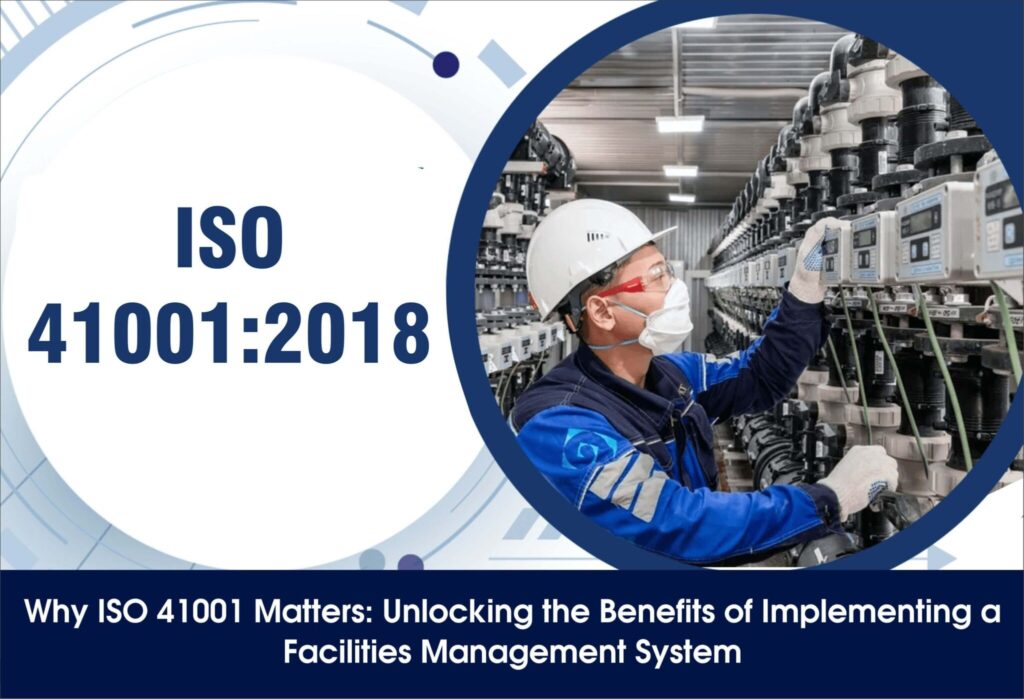
Why ISO 41001 Matters: Unlocking the Benefits of Implementing a Facilities Management System
Introduction: Understanding ISO 41001 and its Importance in Facilities Management ⮯ In today’s fast-paced and ever-evolving business landscape, effective facilities management is crucial for organizations to thrive. One essential tool that aids in achieving excellence in facilities management is the ISO 41001 standard. ISO 41001 provides a comprehensive framework for establishing, implementing, maintaining, and improving a facilities management system. ISO 41001 sets forth guidelines and best practices that help organizations enhance their operational efficiency, optimize resource allocation, and ensure the well-being of employees and stakeholders. By implementing ISO 41001, businesses can streamline their facility management processes, improve productivity, and reduce costs. The benefits of adopting ISO 41001 are far-reaching. It enables organizations to enhance their decision-making processes by providing a systematic approach to managing facilities. It also helps in identifying potential risks and opportunities for improvement within the organization’s facilities management practices. Moreover, ISO standards play a vital role in ensuring consistency and quality across industries. By adhering to internationally recognized standards such as ISO 41001, organizations demonstrate their commitment to excellence and gain a competitive edge in the market. We will focus on the importance of ISO 41001 in facilities management. We will explore its key components, the benefits of implementation, and how it contributes to overall organizational success. So, let us embark on this journey towards understanding the significance of ISO 41001 in driving effective facility management practices. Streamlining Operations and Improving Efficiency with ISO 41001 ⮯ Organizations are constantly seeking ways to streamline their operations and improve efficiency. One effective approach to achieving this is by implementing ISO 41001, the international standard for facilities management. ISO 41001 provides a framework that enables organizations to optimize their resources and enhance operational excellence in the field of facilities management. By streamlining processes and aligning them with industry best practices, companies can effectively manage their facilities, reduce costs, and improve overall efficiency. This standard focuses on key areas such as strategic planning, resource allocation, performance measurement, and continuous improvement. By adopting ISO 41001, organizations can establish a systematic approach to managing their facilities, ensuring that they are well-maintained and meet the needs of their occupants. One of the major benefits of ISO 41001 is its ability to optimize resources. By implementing this standard, companies can identify areas where resources are being underutilized or misallocated. This enables them to make informed decisions on how to allocate resources more effectively, leading to cost savings and improved operational efficiency. Furthermore, ISO 41001 helps organizations streamline processes by providing guidelines for effective facility management practices. It encourages a proactive approach towards maintenance and repairs, reducing downtime and minimizing disruptions in operations. This ultimately leads to increased productivity and customer satisfaction. Enhancing Safety and Compliance through ISO 41001 Certification ISO 41001 is a globally recognized standard for Facility Management (FM) systems. It was published by the International Organization for Standardization (ISO) in 2018. The standard is intended to assist organizations in ensuring that their FM systems are efficient and that they are upholding their obligations for health, safety, and the environment. An effective Facility Management System can be established, put into practice, maintained, and improved with the help of certification to ISO 41000. It applies to any business, regardless of size or the type of work they do. Here’s how ISO 41001 certification can enhance safety and compliance ⮯ Risk Management: Organizations must recognize and control hazards associated with their facilities under ISO 41001. Risks to physical security, health, and safety could all be included in this. Early risk detection allows organizations to act to reduce those hazards, improving overall safety. Regulatory Compliance: Organizations must know and follow all applicable legal and regulatory obligations according to the standard. Laws and regulations from both the local and international levels are included. The organization’s reputation is improved and the risk of legal penalties is decreased through compliance. Continuous Improvement: The FM system is continually improved by ISO 41001. This implies that organizations are always seeking methods to enhance their safety procedures and compliance procedures. Emergency Preparedness: Establishing emergency response plans is another requirement of the standard for organizations. In addition to increasing safety, this makes sure they are ready for any circumstance. Employee Training: Organizations are required by ISO 41000 to give their staff the proper training. They will be better able to perform their jobs safely and successfully if they are aware of their duties. Documentation: The standard mandates complete FM system documentation. This makes it easier for organizations to demonstrate their dedication to compliance and safety, and it creates a transparent record of the actions they have taken to achieve this. A company’s safety and compliance can be greatly improved with ISO 41001 certification. In addition to showing stakeholders that the organization is dedicated to upholding high standards in these areas, it offers a clear framework for managing facilities successfully. Improving Customer Satisfaction and Service Delivery with ISO 41001 ⮯ ISO 41001! The field of customer-focused facilities management is being revolutionized by this incredible standard. By using ISO 41000, you can make sure that your facilities are created and maintained with the needs of your customers in mind, resulting in unmatched client happiness. The era of impersonal, generic service is over thanks to ISO 41001, which places the customer at the centre of everything you do to create a memorable experience that will keep them coming back for more. Customer-centric facilities management is required for ISO 41001 implementation. This entails being aware of the particular requirements and preferences of your customers to customize your services. By doing this, you’ll be able to go above and beyond their expectations and offer a level of service that truly distinguishes you from the competitors. The ISO 41001 standard offers a framework for doing this, guiding you through the steps of determining client requirements, setting up efficient communication channels, and continuously enhancing your service offering. The significance of gathering and analyzing information on customer satisfaction and service performance is emphasized by this standard. You can then decide how to improve
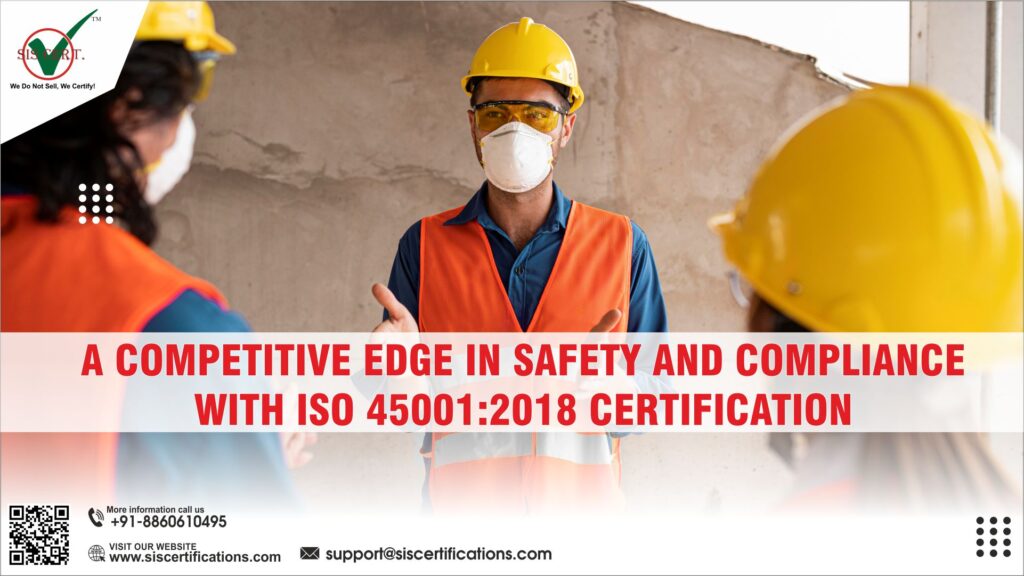
A Competitive Edge in Safety and Compliance with ISO 45001 Certification
Organisations must ensure the safety and well-being of employees while maintaining compliance with national and international best practices. Moreover, ISO 45001 safeguards the employees and enhances an organisation’s reputation by providing a competitive edge in the market. It is a globally recognised Occupational Health and Safety Management System (OHSMS). The certification demonstrates an organisation’s commitment to creating a safe work environment by adhering to regulatory and statutory requirements. In this blog, we will understand how ISO 45001 provides a competitive edge to organisations by exhibiting their responsible behaviour. What is ISO 45001 Certification ? ISO 45001 certification outlines the requirements for an effective Occupational Health and Safety Management System (OHSMS). It helps organisations to manage their occupational health and safety risks by reducing workplace accidents and enhancing employee safety and well-being. Achieving ISO 45001 certification demonstrates an organisation’s commitment to a safe and healthy work environment, as it maintains compliance with national and international regulations to enhance customers’ trust and confidence. What is HIRA in ISO 45001? HIRA stands for Hazard Identification and Risk Assessment and is a critical component of ISO 45001. It mandates an organisation to identify workplace hazards by evaluating potential risks and opportunities. Moreover, it implements appropriate controls to mitigate identified risks. HIRA helps organisations prevent accidents, injuries, and illnesses by proactively addressing safety and health concerns. Steps to Maintain Compliance with ISO 45001 Standard Guidelines ⮯ ISO 45001 standard provides guidelines for organisations to achieve desired growth and objectives. An organisation must follow these steps to maintain compliance with ISO 45001 certification requirements :- Leadership Commitment: The top management should demonstrate commitment to safety and compliance. Risk Assessment: A risk assessment helps organisations continually identify, assess, and mitigate workplace hazards and risks. Legal Compliance: Organisations must stay updated with relevant health and safety laws and regulations. Documented Procedures: An organisation must maintain accurate records, procedures, and policies aligned with ISO 45001. Employee Training: It mandates organisations to provide regular training to employees on safety procedures and expectations. Internal Audits: Organisations must conduct routine internal audits to identify non-conformities. Corrective Actions: Business is a continuous process, and so is improving business operations. Organisations must address non-conformities promptly and implement corrective actions. Continual Improvement: It follows the principle of continuous improvement to assess and enhance the occupational health and safety management system (OHSMS). Management Review: Management Review helps organisations periodically review the OHSMS’s performance and make necessary adjustments. External Audits: It mandates organisations to cooperate with external auditors for ISO 45001 recertification and maintain compliance. How ISO 45001:2018 Standards provide a Competitive Edge to Organisations In the quick-paced business world of today, gaining a competitive edge involves more than just profitability and market share. ISO 45001 demonstrates a strong dedication to the safety and well-being of the workforce and the communities you support. It is a significant tool used by businesses to achieve operational excellence, compliance, and workplace safety. Benefits of ISO 45001 Standards ⮯ It establishes a strong safety culture and boosts employees’ morale by adopting a proactive approach to address potential risks to reduce workplace accidents and injuries. Hence, it increases their productivity and overall production. A crucial component of contemporary corporate operations is adhering to health and safety laws. ISO 45001 ensures compliance with the national and international legislative criteria to manage occupational health and safety. Moreover, it helps organisations avoid legal fines and penalties due to non-compliance. ISO 45001 helps organisations improve their operational efficiency by streamlining various business operations. It conducts a risk assessment to identify potential threats and reduce workplace accidents and incidents. The ISO 45001 certification stands out as a compelling distinction in a world where ethical investors and conscientious customers are growing more discriminating. It proves your dedication to moral business conduct and considerate corporate citizenship. ISO 45001 standard follows the principle of continuous improvement by encouraging businesses to evaluate their OHSMS frequently. Moreover, it helps them identify areas of improvement and make the necessary changes. Conclusion ✅ ISO 45001:2018 certification ensures the long-term success of a business by maintaining the security and well-being of personnel. It encourages an organisation to maintain legal compliance by improving operational efficiency and enhancing stakeholder trust and confidence. Enjoy Reading – Major/Minor Non-Conformances : Explored In Detail Achieving ISO 27701 Compliance: A Step-by-Step Journey How can ISO 45001 Certification Improve your Business Benefits of ISO 45001 Certifications for your Business