What is the role of ISO 22000:2018 Certification in ensuring the Safety of Food Products?
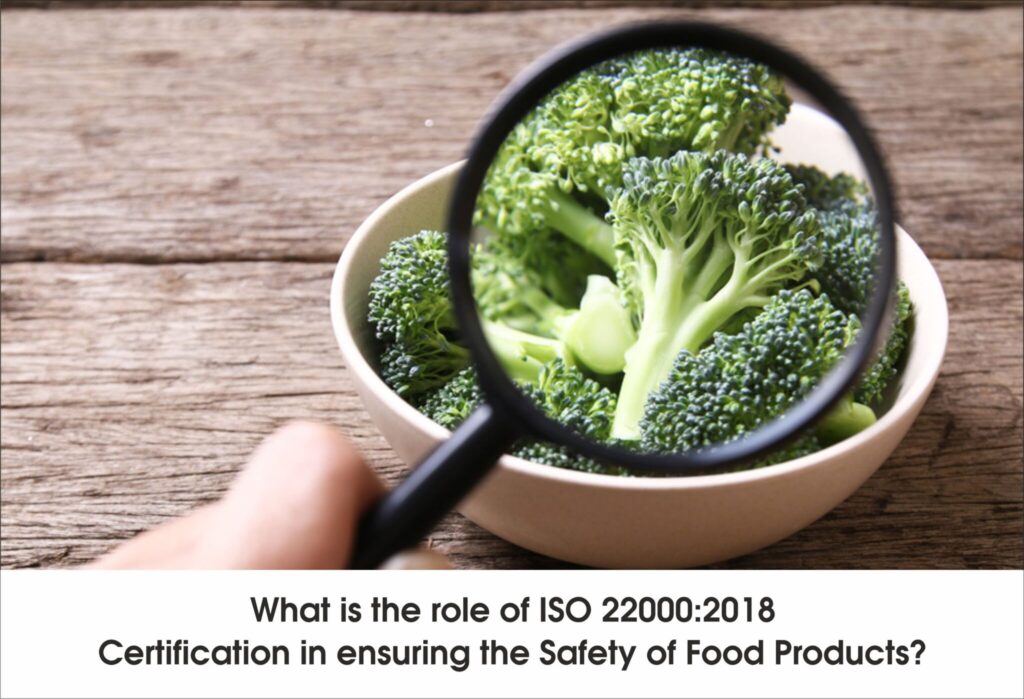
The common concern shared by customers and food supply chain industries is related to the safety and quality of food products. Food safety is significant for public health and the reputation of food companies. Moreover, it is the responsibility of organisations to ensure the delivered food people are safe and free from contamination. The International Organisation for Standardisation (ISO) has developed ISO 22000:2018 certification. Furthermore, the standard mandates organisations to maintain and measure the security and quality of food products. In this blog, you will read about the importance of ISO 22000 and how it contributes to preserving the quality and safety of food items. What is ISO 22000 Certification? ISO 22000 is a globally known for Food Safety Management Systems (FSMS). The certification provides a robust framework for establishing, putting into practice, and maintaining a reliable food safety management system. Moreover, it includes organisations involved in the food supply chain, from farmers and food manufacturers to merchants and food service providers, who must adhere to ISO 22000 requirements The role of ISO 22000 Standards in ensuring Food Safety ⮯ ISO 22000 provides a systematic framework for food industries to ensure and maintain food safety. It mandates organisations to establish hazard analysis, preventive measures, traceability, communication, and continuous improvement to reduce risks of contamination and illnesses. Hazard Analysis: ISO 22000:2018 mandates an organisation to conduct a risk assessment to outline potential food safety hazards and threats. Moreover, it involves identifying and detecting potential dangers at all stages of the food supply chain. Hazards can be biological, chemical, and contaminants, and HACCP helps organisations take proactive measures to mitigate them. Preventive Measures: Organisations must follow ISO 22000 guidelines and implement preventative measures to identify and manage risks. These precautions could include sanitation protocols, hygiene standards, and quality assurance tests. Moreover, it reduces the likelihood of contamination and foodborne illnesses. Traceability: The standard mandates organisations to follow the principle of traceability to establish a safe food supply chain. As a result, it enables businesses to monitor and trace the movement of food products along the supply chain. Through traceability, it is possible to rapidly locate potential hazards concerning food safety and address them accordingly. Communication: Effective communication is a significant component to ensure success. ISO 22000:2018 standard requires an organisation to establish productive communication within the company and with outside parties like clients and suppliers. Moreover, it focuses on imparting information about potential threats to food safety, protective measures, and any modifications to procedures or goods clearly and concisely. Continuous Improvement: The principle of continuous improvement requires an organisation to continuously examine and upgrade its food safety management systems to reflect new information and conditions. Compliance with Legal Requirements: ISO 22000 helps organisations maintain and measure compliance with national and international laws and regulations related to food safety. Moreover, it helps food industries to adhere to legal obligations and avoid legal issues and penalties. Benefits of ISO 22000:2018 Standards ⮯ ISO 22000 offers numerous benefits to the food industry. Moreover, it assures consumers of safer products while boosting organizations’ competitiveness and trustworthiness in the food industry. The following are the benefits of the Food Safety Management Systems (FSMS) :- Establishes a safe food supply chain: Implementing ISO 22000 assists businesses in reducing the risk of foodborne illnesses by implementing appropriate preventive measures. It provides tools and controls for organisations to trace the food supply chain, from farmers and manufacturers to distributors. Creates a better reputation: ISO 22000 Certification is a hallmark of trust and reliability. Hence, an organisation with an FSMS certificate increases the brand value of an organisation by demonstrating its commitment to food safety. Access to the global market: ISO 22000:2018 certification exhibits an organisation’s commitment to international best practices. However, many merchants and customers prefer ISO-certified companies to conduct business with or buy goods. Cost savings: It helps organisations avoid food safety accidents. However, businesses can save money by avoiding expensive product recalls, legal disputes, and harm to their reputation. Conclusion ✅ ISO 22000 is essential to assure the safety and quality of food items. Additionally, it facilitates effective communication, fosters continuous development, and aids organisations in identifying and controlling risks to food safety. Organisations with an ISO 22000 certification can offer consumers safer food products and improve their reputation in the global food market. Enjoy Reading – What are the ISO 22000 Requirements ISO 22000 Food Safety Management Systems How to Start Food Business In India ISO Certifications For Hospitality Businesses
Why ISO 22301 is Crucial for Business Continuity and Disaster Recovery
What is ISO 22301:2019 Certification? ISO 22301:2019 is an international standard for Business Continuity Management (BCM). It is designed to help organizations protect their business operations from disruptions and ensure the continuity of services. The standard outlines the best practices for developing, implementing, operating, monitoring and maintaining a Business Continuity Management system. It also provides guidance on how to respond to incidents and manage risks associated with them. ISO 22301 helps organizations plan for potential disruptions and minimize the impact on their operations. Your continuity management plan’s ISO 22301 accreditation assures that it will continue to operate normally even in the event of an emergency. ISO 22301 Certification Business Continuity Management System (BCMS) Certification benefits for an organization ⮯ – ISO 22301 standards outline a step-by-step plan for creating and keeping up efficient business continuity management operations and it reduces the impact of events by taking a forceful stance. – It helps to indicate compliance with influencers and stakeholders across all sectors and organizations. – An efficient BCMS ensures the avoidance or minimizing of losses in the event of calamities, protecting the revenue stream. -The adoption of a BCMS based on ISO 22301 shows that the company complies with legal and regulatory standards, which reduces the likelihood that it will face sanctions for breaking the law. -Business continuity management thoroughly evaluates the impact of the disruption to determine the products and services that are essential for the organization’s existence. ISO 22301 standard, business continuity management system, disaster recovery planning, risk management ⮯ In today’s uncertain world, business continuity planning has become paramount for organizations of all sizes. The ability to navigate through unexpected disruptions and maintain operations is crucial for long-term success and survival. The importance of business continuity cannot be overstated. It ensures that a company can continue to deliver its products or services, meet customer demands, and minimize the impact of any potential crisis or disaster. It is not just about surviving in times of adversity but also about thriving and gaining a competitive edge. Business resilience is the key to weathering storms and emerging stronger on the other side. By proactively identifying potential risks, developing strategies to mitigate them, and implementing robust crisis management protocols, organizations can significantly reduce downtime and financial losses. Disruptions can come from various sources such as natural disasters, cyber-attacks, or even global pandemics like COVID-19, having a solid business continuity plan is no longer an option but a necessity. A well-prepared organization can effectively respond to crises by quickly adapting its operations, ensuring employee safety, maintaining customer trust, and minimizing the negative impact on its bottom line. Moreover, businesses that demonstrate resilience in times of adversity often gain credibility and trust from stakeholders including customers, investors, and employees. How ISO 22301 Helps Businesses Mitigate Risks and Minimize Disruptions ⮯ In today’s fast-paced and unpredictable business landscape, organizations face various risks and disruptions that can significantly impact their operations. This is where ISO 22301 comes into play, offering a robust framework to help businesses mitigate risks and minimize disruptions. ISO 22301 focuses on disaster recovery strategies, emergency response plans, and incident management procedures. By implementing this standard, businesses can proactively identify potential risks and develop comprehensive plans to address them effectively. One of the key benefits of ISO 22301 is its emphasis on business continuity management. It helps organizations establish a solid foundation for maintaining critical functions during unexpected events such as natural disasters, cyber-attacks, or supply chain disruptions. By having well-defined emergency response plans in place, businesses can ensure a swift and coordinated response to any incident. This not only minimizes the impact of disruptions but also enhances the organization’s resilience in the face of adversity. Furthermore, ISO 22301 promotes a proactive approach to risk management. It encourages businesses to regularly assess potential threats and vulnerabilities while continuously improving their disaster recovery strategies. This enables organizations to stay ahead of emerging risks and adapt their plans accordingly. ISO 22301 Certification Requirements ⮯ ISO 22301 certification requirements are essential for organizations looking to establish and maintain an effective business continuity management system. Achieving this certification demonstrates a commitment to mitigating risks, ensuring the continuity of critical operations, and safeguarding the interests of stakeholders. To obtain ISO 22301 certification, organizations must adhere to specific requirements outlined by the International Organization for Standardization (ISO). These requirements encompass various aspects of business continuity management, including risk assessment and analysis, business impact analysis, development of a business continuity plan, implementation and testing of controls, and ongoing monitoring and improvement. One key requirement is conducting a thorough risk assessment to identify potential threats and vulnerabilities that could disrupt operations. This involves analyzing internal and external factors that could impact the organization’s ability to deliver products or services. Based on this assessment, organizations must develop strategies to mitigate identified risks effectively. Another crucial requirement is performing a comprehensive business impact analysis (BIA). This process helps determine the potential consequences of disruptions on various aspects such as financial stability, customer satisfaction, reputation, legal compliance, and employee safety. The BIA findings guide the development of a robust business continuity plan tailored to address specific risks identified during the assessment phase. Implementing controls to minimize disruption is another important aspect of ISO 22301 certification. Organizations must establish procedures for incident response management, crisis communication protocols, backup systems for critical infrastructure or data repositories, and alternate work arrangements during emergencies or disasters. Regular testing and evaluation of these controls are necessary to ensure their effectiveness in real-world scenarios. Furthermore, organizations seeking ISO 22301 certification must demonstrate their commitment to continuous improvement by establishing performance metrics and monitoring mechanisms. Regular audits help identify areas for enhancement while providing evidence of compliance with ISO standards. ISO 22301 Certification cost The cost to become certified to ISO 22301 is not set in stone. It relies on a variety of variables, like your company’s complexity, overall staff, number of office branches, branch location, etc. Additionally, organisations having ISO 22301 certification may frequently meet their quality goals for
Achieving ISO 27701 Compliance: A Step-by-Step Journey
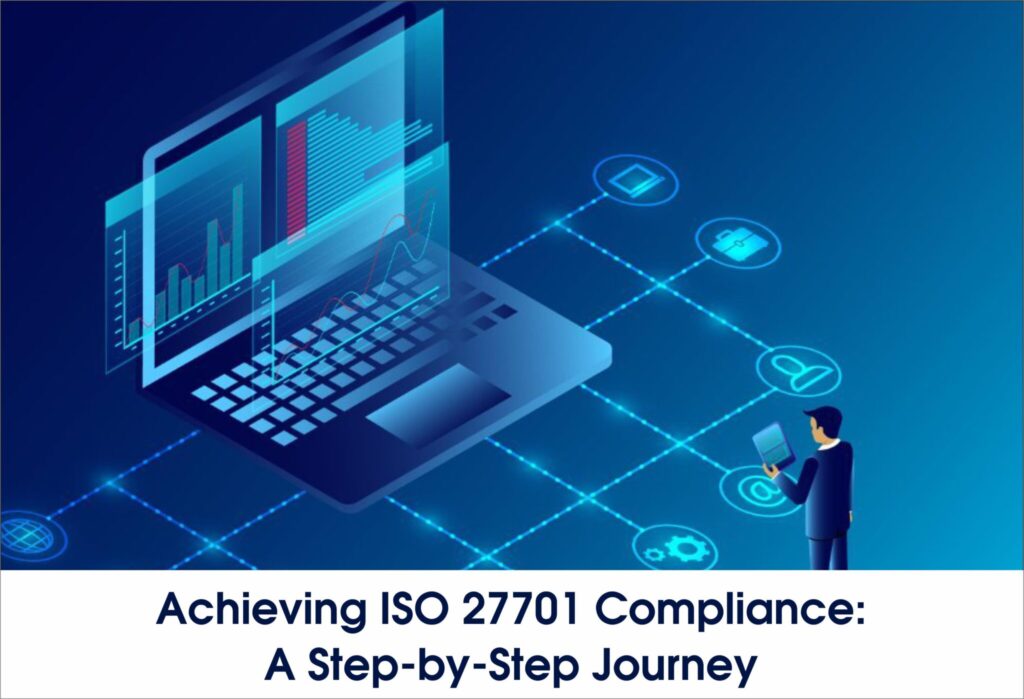
We live in an increasingly data-driven world, where data privacy and security have become paramount concerns for organizations. Data collected and stored by the organization is an invaluable information asset. However, it is the responsibility of the organizations to safeguard vulnerable data of their clients and customers. Customers and regulatory bodies mandate organizations to manage personal data with the utmost care and transparency. In response to these concerns, the International Organization for Standardization (ISO) introduced ISO 27701:2019 certification, a standard to ensure a Privacy Information Management System (PIMS). Moreover, it is equally necessary for organizations to measure and maintain compliance with ISO 27701 requirements to demonstrate their commitment to data privacy. In this blog, we are going to explore the step-by-step journey to maintain ISO 27701 compliance to reap the standard’s benefits and achieve the intended outcomes. What is the ISO 27701 Standard? An international standard called ISO 27701:2019 addresses how to protect the privacy of personally identifiable information (PII). The worldwide standard for information security management systems (ISMS), ISO 27001, is extended by this. Organizations can establish, implement, manage, and continuously enhance a Privacy Information Management System (PIMS) using the frameworks and principles provided by ISO 27701. The General Data Protection Regulation (GDPR) and other privacy regulations are met by enterprises with the help of the standard. By integrating privacy controls and procedures into an organization’s current information security management system, ISO 27701:2019 standards offers a comprehensive approach to data privacy. What are the benefits of the ISO 27701 Standard? ⮯ The following are the benefits of ISO 27701 certification :- Enhanced Privacy Protection – Organizations can create a solid foundation for safeguarding the protection of personal information with the use of ISO 27701. Compliance with Privacy Regulations – The GDPR and other privacy laws and frameworks are in line with ISO 27701. Trust and Reputation – Organizations can gain the trust of their stakeholders, such as clients, partners, and regulators, by implementing ISO 27701 and showing compliance with privacy laws. A step-by-step guide to achieving ISO 27701 certification compliance ⮯ Understanding the principles of ISO 27701 is crucial before starting the compliance journey. The extension of ISO 27001, which addresses information security management. However, the focus of ISO 27701:2019 is on privacy information management systems (PIMS). It offers enterprises a framework for creating, implementing, maintaining, and continuously improving a PIMS. The goal of ISO 27701 is to support organizations in managing personal data responsibly and upholding individuals’ right to privacy. Step 1: Displaying Leadership and Governance:Establishing leadership and governance is the first step toward ISO 27701 compliance. This entails designating the duties of important individuals and establishing a Privacy Information Management System (PIMS) manager. Driving the compliance effort throughout the organization depends heavily on leadership. Step 2: Scope Definition:It’s crucial to establish the PIMS’s scope. How and where does the data that you manage flow? Finding the limits of your PIMS aids in clarifying the scope and concentrating compliance efforts on the appropriate areas. Step 3: Conducting a Privacy Impact Assessment (PIA):A Privacy Impact Assessment is a critical component of ISO 27701 compliance. It involves identifying and assessing the privacy risks associated with data processing activities. A Privacy Impact Assessment (PIA) helps in understanding the potential impact on individuals’ privacy and guides organizations in implementing necessary controls to mitigate these risks. Step 4: Develop Policies and Procedures:A privacy impact assessment is a crucial part of complying with ISO 27701. It entails determining and evaluating the privacy hazards connected to data processing operations. A PIA aids in evaluating the potential impact on people’s privacy and directs businesses in putting in place the appropriate safeguards to reduce these risks. Step 5: Training and Awareness:Employee education on data privacy and their responsibilities for upholding compliance is essential. Regular training sessions and awareness campaigns aid in developing an organization-wide privacy culture. Step 6: Implementing Controls:Companies must adopt the precise measures outlined in ISO 27701 to protect personal data. Encryption, access control, data breach response, and other actions are among the processes. The implementation of these controls is a vital stage in the compliance process. Step 7: Monitoring and Measurement:The PIMS remains effective over time to ensure the performance must be measured and monitored continuously. The system should be frequently assessed and evaluated, and adjustments should be made as needed. Step 8: Conducting Internal Audits:Organizations can find areas where compliance may be missing or where changes are made using internal audits. These audits should be carried out often, ensuring ISO 27701 compliance. Step 9: Management Review:The effectiveness and performance of the Privacy Information Management System (PIMS) should be frequently reviewed by senior management. Data privacy is preserved thanks to this review. Conclusion ✅ Achieving ISO 27701:2019 compliance is a comprehensive journey that demands meticulous planning and execution. The certification requires an organization to define the scope, conduct Privacy Impact Assessments, and develop policies and procedures to establish a robust Privacy Information Management System (PIMS). Enjoy Reading – Know About ISO 37001 Standard ISO 37001: Anti-Bribery Management System-Benefits and Implementation Non-Conformity and Corrective Action Major/Minor Non-Conformances : Explored in Detail
ISO 22000 Food Safety Management Systems
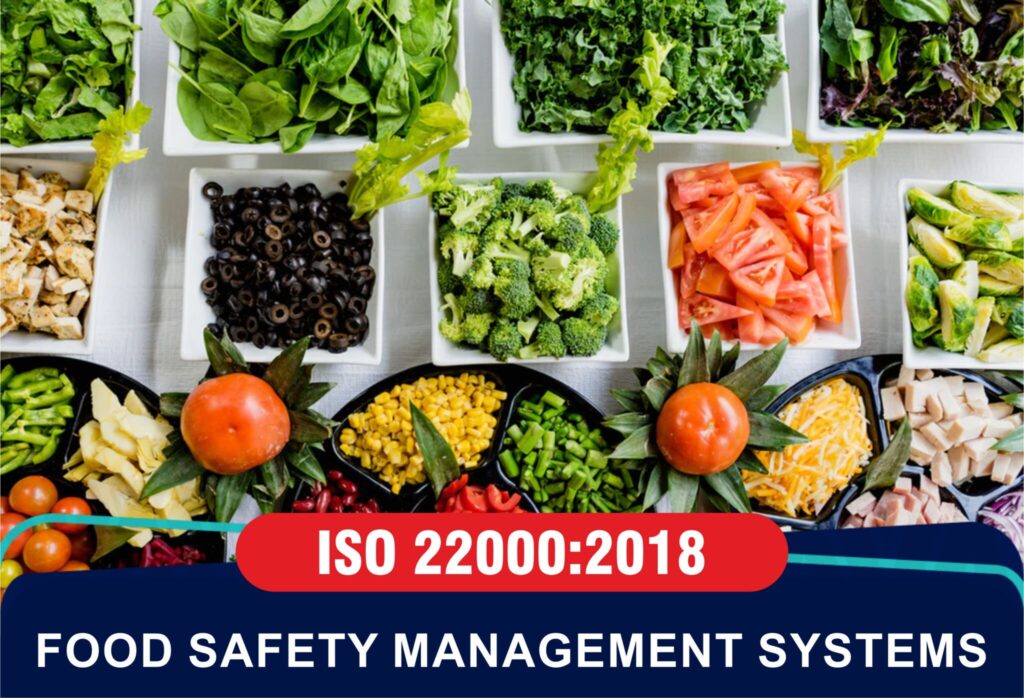
ISO 22000 is an international standard for food safety management systems, designed to ensure the safety of food products during production and distribution. It specifies the requirements for a food safety system that involves Hazard Analysis and Risk-based preventive controls (HACCP), as well as other aspects such as product traceability, employee training and monitoring. Food safety is a major concern on a worldwide scale. It might be described as the actual knowledge that ingesting food would not cause harm or sickness. With ISO 22000 certification, businesses can demonstrate their commitment to producing safe food and beverages for consumers. The standard applies to all types of organizations involved in the food chain, from farm to fork. Companies that comply with ISO 22000 are better equipped to minimize risks related to food safety and contamination, while also improving their reputation among customers. Why ISO 22000 was Introduced ISO 22000 is a Food Safety Management System (FSMS) standard developed by the International Organization for Standardization (ISO). It was first published in 2005 and is designed to provide organizations with a framework for managing food safety risks throughout the entire food chain. The standard is based on the Hazard Analysis and Critical Control Point (HACCP) principles, which are internationally recognized methods of controlling food safety hazards. ISO 22000 food safety management systems were introduced to ensure that food producers and retailers adhere to the highest standards of safety and quality. The requirements of ISO 22000 Food safety: – It refers to the practises and guidelines your company must adhere to across its supply chain to maintain food safe for consumption. Management responsibility: – The areas that your management team must prioritise, participate in, and be accountable for are known as management responsibility. Resource management: – It is the process of allocating resources, such as people, infrastructure, and facilities, to achieve the greatest performance. Measurement, Analysis, and Improvement: – The following clauses describe how to assess if your management system is performing as planned and allowing for ongoing system improvement. Some Key Elements of ISO 22000 ⮯ – Interactive communication: Communication is crucial along the food supply chain to ensure that all relevant food safety concerns are identified and effectively controlled at each stage. The organization’s upstream and downstream processes are implied by this. – System management: The most efficient food safety systems should be created, run within a defined management framework, and then integrated into the organization’s overall management operations. – Programme Requisite: There are two subcategories under which the required programmes are divided. The programmes for infrastructure and maintenance deal with permanent elements in food safety. Reduced risk of hazards in the product or processing environment is the goal of operational precondition programmes. – HACCP Principles: A HACCP plan is used to manage the important control points that were identified during the hazard analysis as being necessary to completely remove, avoid, or significantly minimize a particular food safety hazard from the product. Advantages of Implementing ISO 22000 ⮯ – Improved risk response: – Organizations that have a strong FSMS in place are better able to react quickly and effectively to problems that might jeopardize the safety of their food. By doing this, they may stop possible contamination and other food safety problems in their tracks. Additionally, the organization can react appropriately to unforeseen events due to the presence of emergency preparedness. – Reduced investigation time: – In the unlikely event that contamination does occur, a good FSMS directs organizations in a way that makes it easier to find the source of any food safety violations or security breakdowns. As a consequence, the issue is quickly resolved, and recurrence is avoided. – Cost-saving: – The standardization of all Hazard Analysis Critical Control Point (HACCP)-based standards is made possible by ISO 22000. – Opportunities for new enterprises: – Enhancing an organization’s capacity to collaborate with others by applying ISO 22000 as a requirement for contracts of cooperation. -Employee involvement: – ISO 22000 has a renewed emphasis on employee involvement, which is crucial for promoting a food safety culture throughout the organization. How does the food safety management system help a business? The business owner can reduce the chances of health hazards by adhering to well-specified procedures. Compliance with the rules is a must for businesses to maintain a sterling and reliable reputation. It assists companies in avoiding legal issues and accusations of food safety and regulatory violations. The company may stay clear of errors by using a flawless food safety management system. The effective implementation of a food safety management system makes it simple to avoid making poor purchasing selections, faults with budget management, contamination management systems, and other general errors. Enjoy Reading – What are the ISO 22000 requirements Guide For Food Safety Certifications Why Food Safety Certification is Important in Poland Anti-Bribery Management System as A Tool to Increase the Quality of Life
Demystifying ISO 27701: A Comprehensive Guide to Privacy Information Management Systems
In today’s digital age, the protection of personal data has become a paramount concern for individuals and organizations alike. With the increasing reliance on technology and the vast amounts of data being collected, it is crucial to have robust systems to ensure this information’s privacy and security. This is where Privacy Information Management Systems (PIMS) come into play. PIMS refers to a set of processes, policies, and procedures designed to manage and protect personal data in compliance with relevant regulations such as ISO 27701 Standard. ISO 27701:2019 is an international standard that provides guidelines for establishing, implementing, maintaining, and continually improving a PIMS. It helps organizations identify potential risks related to privacy breaches and outlines measures to mitigate these risks effectively. Implementing a Privacy Information Management Systems (PIMS) enables organizations to take a proactive approach towards data protection. It helps them establish clear accountability for managing personal data throughout its lifecycle – from collection to processing, storage, transfer, and disposal. By adopting a Privacy Information Management Systems (PIMS) framework, organizations can demonstrate their commitment towards protecting individual privacy rights. This enhances customer trust and ensures compliance with applicable data protection laws and regulations. The Key Principles and Requirements of ISO 27701 ⮯ The Privacy Information Management System (PIMS), also known as ISO 27701, is an addition to ISO 27001 and ISO 27002 for privacy management within the context of the organisation. It offers a structure for creating, putting into practice, maintaining, and constantly enhancing a privacy information management system. The key principles and requirements of ISO 27701 include :- Scope and Applicability: ISO 27701 is applicable to all types and sizes of organizations, including public and private corporations, governmental agencies, and not-for-profit organisations, can use ISO 27701. Risk Assessment: Organisations must regularly undertake risk assessments to evaluate and manage privacy risks. Privacy Policy: The standard mandates that businesses create a privacy policy that is in line with their legal obligations as well as their privacy goals. Roles and Responsibilities: Organisations must establish roles and responsibilities for managing privacy, including the selection of a person or group to be in charge of privacy. Data Subject Rights: Organisations must develop policies to address data subjects’ rights, such as access, correction, erasure, limitation of processing, and data portability. Consent Management: The standard mandates that organisations handle data subject permission when it is required for data processing. Data Breach Notification: Organisations must have policies and processes in place to identify, disclose, and look into breaches of personal data. Training and Awareness: Organisations have to educate staff members and other relevant parties about privacy and data protection, as well as increase their knowledge of these concerns. Continuous Improvement: The standard encourages the Privacy Information Management System to be improved over time. Third-Party Management: The organisation must implement the necessary safeguards to secure personal data if it distributes it to outside parties. Implementing ISO 27701 can offer several benefits to organizations ⮯ Enhanced Privacy Management: Organisations may strengthen their privacy management by using ISO 27701 to build and enhance personal information management procedures. In addition to helping businesses comply with regulations, this may increase consumer happiness and confidence. Regulatory Compliance: There are stringent laws in many jurisdictions governing data privacy, such as the General Data Protection Regulation (GDPR) in the EU. Organisations can show compliance with these rules by putting ISO 27701 into practise, possibly avoiding fines and penalties. Risk Management: Organisations can stop or lessen possible breaches of personal information by detecting and managing privacy issues. They may avoid losing money and harming their reputation by doing this. Competitive Advantage: Organisations that have ISO 27701 accreditation might set themselves apart from rivals. They may benefit from this in markets where privacy is a major concern. Improved Business Relationships: Organisations may reassure their clients, stakeholders, and business partners about their commitment to privacy by implementing ISO 27701. This can strengthen commercial links and provide new possibilities. Global Recognition: Global acceptance of ISO standards. As a result, obtaining ISO 27701 certification may improve an organization’s reputation abroad. Continual Improvement: The constant improvement philosophy of ISO 27701 is shared by other ISO standards. As a result, businesses are urged to examine and enhance their privacy management on a regular basis, which can boost productivity. Cost Savings: ISO 27701 may help organisations avoid the costs of data breaches, such as penalties, remediation work, and lost revenue, by assisting in their prevention. Challenges and Common Pitfalls in Implementing ISO 27701 ⮯ Implementing ISO 27701, the international standard for privacy information management systems (PIMS), can be a complex and challenging process. However, understanding and addressing the common pitfalls can help organizations navigate this implementation journey successfully. One of the key challenges in implementing ISO 27701 is data mapping. Organizations often struggle with identifying and mapping all the personal data they collect, process, and store. This challenge arises due to the sheer volume of data, varied data sources, and lack of standardized processes. However, by investing time and resources into thorough data mapping exercises, organizations can gain better visibility into their data landscape and ensure compliance with privacy regulations. Another common pitfall is the lack of employee training and awareness programs. Implementing ISO 27701 requires a collective effort from all employees to understand their roles in protecting personal information. Without proper training and awareness programs in place, employees may not fully grasp their responsibilities or understand how to handle personal data securely. By providing comprehensive training programs that cover privacy principles, best practices, and incident response protocols, organizations can foster a culture of privacy-consciousness among their workforce. Integrating PIMS with existing systems is yet another challenge faced during implementation. Many organizations already have established systems for managing information security or quality management. Integrating these existing systems with ISO 27701’s requirements may require careful planning and coordination across different departments or teams within an organization. It is crucial to ensure that PIMS aligns seamlessly with other management systems to avoid duplication of efforts or conflicting processes. While implementing ISO 27701 may present challenges
The Roadmap to GMP Certification: Steps and Benefits
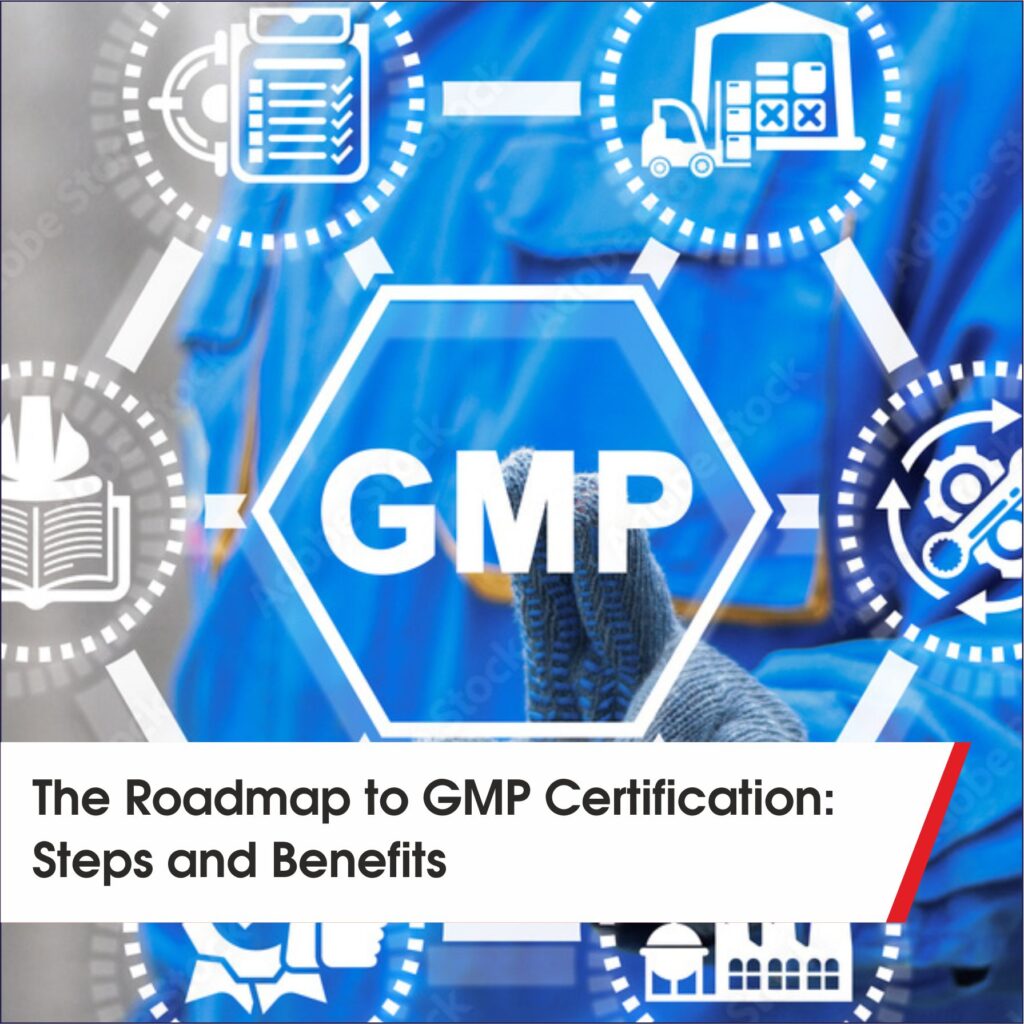
Good Manufacturing Practices (GMP) accreditation has emerged as a critical benchmark for guaranteeing product safety, quality, and compliance in today’s highly regulated and quality-driven sectors. Organisations can outline the road plan to attain GMP certification and maintain high manufacturing standards. This article outlines the essential procedures for acquiring GMP certification and outlines the many advantages it provides to organisations. What is Good Manufacturing Practices (GMP)? Good Manufacturing Practices (GMP) is a quality management system that outlines the minimum requirements for manufacturing, packaging, labelling, and testing products. The guidelines ensure the consistent quality, safety, and efficacy of products manufactured in regulated industries. These guidelines are established and enforced by regulatory agencies such as the Food and Drug Administration (FDA) in the United States and the European Medicines Agency (EMA) in Europe. GMP certification is essential for businesses operating in various industries, including pharmaceuticals, food and beverages, cosmetics, and medical devices. A Step-by-Step Guide to Achieve GMP Certification ⮯ Achieving a Good Manufacturing Practices (GMP) certificate is a rigorous process. Moreover, organisations can follow these steps to obtain a GMP certification :- Assessing Current Practises: The initial step requires conducting an internal assessment to monitor and measure production and quality control procedures. Moreover, to satisfy GMP requirements, organisations shall assess operations records, employee training, and facilities to determine improvement areas. Providing Training: Employees at all levels must get training on GMP practices and principles to comply with GMP criteria. Everyone must comprehend the significance of compliance and adhere to the established norms in this training. Documentation: A crucial component of GMP compliance is thorough and organised documentation. Moreover, this entails producing batch records, quality manuals, standard operating procedures (SOPs), and others. Facilities Design and Maintenance: Facilities must be designed and maintained in accordance with GMP standards to achieve intended manufacturing outcomes. Furthermore, it ensures GMP compliance with international best practices. Testing and Quality Control: Adhering to GMP regulations requires having effective testing and quality control procedures. Companies must follow quality control labs to test raw materials, samples taken during production, and completed goods to ensure they adhere to predetermined standards. Supplier Qualification: Organisations should assess and qualify their suppliers to ensure they follow GMP guidelines. Moreover, audits and evaluations of the facilities and operations of suppliers are necessary to ensure compliance. Auditing and Inspection: Organisations must evaluate their compliance with GMP guidelines defined by regulatory bodies. Moreover, they shall conduct frequent audits and inspections to detect and address potential threats and opportunities. Corrective and Preventive Activities (CAPA): It’s critical to take corrective and preventive action to eliminate non-compliance issues. Investigating the underlying causes of the problems and putting preventative measures in place are necessary. Application for GMP Certification: Once a business is confident that it has complied with all GMP regulations, it may apply for GMP certification to the appropriate regulatory body. This application comes with thorough supporting materials and proof of compliance. Continuous Improvement: GMP certification is a lifelong commitment rather than a one-time accomplishment. Moreover, businesses must regularly review and enhance their systems and processes to maintain GMP compliance. Benefits of GMP Certification for Organisations GMP certificate offers a goldmine of benefits to organisations. Moreover, an organisation can avail of the following benefits by implementing Good Manufacturing Practices (GMP) Certification :- – GMP certification proves a business’s dedication to abiding by stringent regulatory requirements. As a result, there is less chance of regulatory measures like penalties or product recalls. – GMP principles provide a robust structure and focus on establishing efficient and controlled production processes, which can result in cost savings. – GMP certification is a widely accepted standard worldwide that assures good quality and safety of products. However, GMP-accredited businesses can more readily access international markets and participate in global competition. – GMP certification verifies that products are fit for consumption, lowering the possibility of adverse consumer events or health-related problems. – GMP accreditation is a powerful marketing tool that can draw clients and business partners, giving certified organisations an advantage over their rivals. Conclusion ✅ It takes dedication to excellence in manufacturing practices to earn GMP accreditation. The path to GMP certification requires thorough planning, education, record-keeping, and regular compliance monitoring. Moreover, obtaining GMP ISO certification is a wise investment for businesses functioning in regulated industries. Enjoy Reading – Know About ISO 37001 Standard ISO 37001: Anti-Bribery Management System-Benefits and Implementation Non-Conformity and Corrective Action Major/Minor Non-Conformances : Explored in Detail
Anti-Bribery Management System as A Tool to Increase the Quality of Life
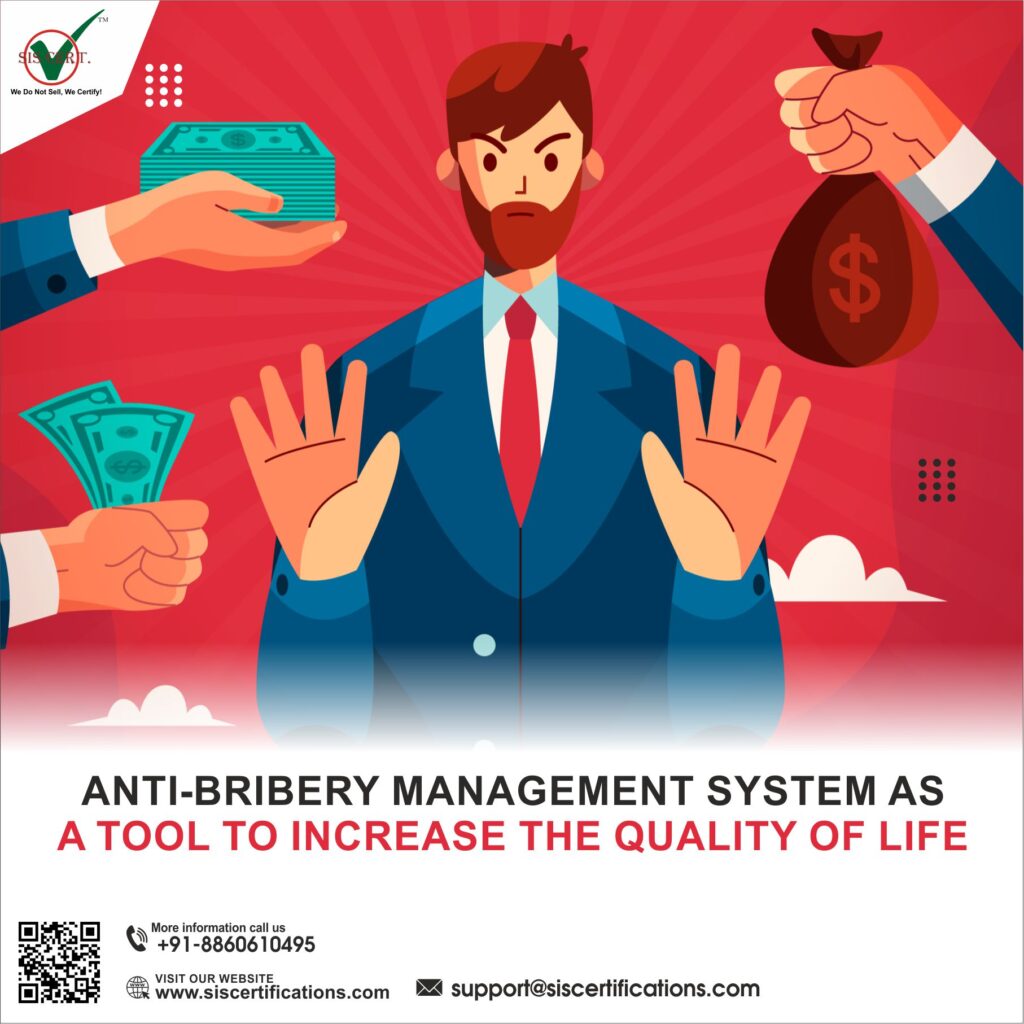
Introduction ⮯ Everyone strives for self-realization via the use of available resources and aspires to live a decent life. A quality of life can be used to explain all characteristics connected to that objective. A decent existence includes living in a world free of corruption. Corruption is at least as old as Adam’s apple. Bribery is the act of directly or indirectly offering, promising, providing, accepting, or soliciting an advantage as an inducement or reward for someone acting-or refraining from acting-in connection with the performance of that person’s duties. Regardless of the level of social and economic progress, corruption exists in all nations. Where the public and private sectors converge, it is most likely to happen. It might be split into two primary groups:- Petty corruption:- Public employees who may be badly underpaid and who depend on minor rent payments from the public to support their families and pay their children’s school fees engage in petty corruption. Grand corruption:– high-ranking governmental officials who decide on major public contracts. Bribery increases the cost of doing business, distorts competition, misallocates resources, threatens market efficiency and predictability, promotes illegal and unethical behaviour, erodes public support for the rule of law, threatens development initiatives, and slows economic growth. The expenses of bribery have a significant impact on quality of life. The Link Between Corruption and Quality of Life: Exploring the Impact on Society ⮯ Corruption has a profound impact on the quality of life within a society, with far-reaching consequences for its citizens. The link between corruption and various aspects of societal well-being has been extensively studied, shedding light on the detrimental effects it can have on social inequality, economic growth, trust in institutions, and the improvement of public services. One of the most evident consequences of corruption is its contribution to social inequality. When resources are misappropriated or embezzled by corrupt individuals or entities, it exacerbates disparities between the rich and the poor. This creates a cycle of poverty and limited access to essential services such as healthcare, education, and infrastructure for those who need them most. Furthermore, corruption hampers economic growth by distorting market mechanisms and discouraging foreign investments. It undermines fair competition and creates an environment where bribery and favouritism prevail over merit-based decision-making. As a result, businesses may hesitate to invest in countries plagued by corruption, leading to reduced job opportunities and overall economic stagnation. Trust in institutions is another casualty of widespread corruption. When citizens witness their leaders engaging in corrupt practices without being held accountable, it erodes their faith in government bodies responsible for upholding justice and fairness. This erosion of trust can lead to social unrest, political instability, and a loss of confidence in democratic processes. Moreover, public services suffer greatly under corrupt regimes. Funds meant for infrastructure development or improving healthcare systems often end up lining the pockets of corrupt officials instead. This not only deprives citizens of essential services but also perpetuates a culture where systemic inefficiencies persist due to a lack of accountability. The link between corruption and quality-of-life indicators is undeniable. It breeds social inequality by diverting resources away from those who need them most while hindering economic growth through unfair practices that discourage investment. Trust in institutions is shattered as citizens witness impunity among corrupt individuals holding positions of power. Lastly, public services bear the brunt of corruption, leaving communities without adequate access to essential services. To improve society and enhance the quality of life, combating corruption must be a priority at all levels. The Benefits of an Effective Anti-Bribery Management System on Individuals and Communities An effective ISO 37001 Certification standard can have numerous benefits for both individuals and communities. By combatting corruption and bribery, such a system ensures better access to quality services and resources for everyone involved. One of the key advantages is the enhanced trust among citizens. When individuals see that their government or organizations are actively working towards preventing bribery, it instils confidence in the system. This trust leads to increased participation, cooperation, and overall societal well-being. Additionally, an effective anti-bribery management system contributes to an improved business environment. When businesses operate in an environment free from corruption, they can focus on fair competition and innovation. This fosters economic growth, attracts investments, and creates job opportunities for individuals within the community. Moreover, such a system strengthens the rule of law. It sends a clear message that no one is above the law and that corrupt practices will not be tolerated. This helps establish a sense of justice and equality within society. Conclusion ✅ In conclusion, implementing an effective anti-bribery management system brings about numerous benefits for individuals and communities alike. It ensures better access to quality services and resources while enhancing trust among citizens. Furthermore, it creates an improved business environment and strengthens the rule of law – all crucial elements for sustainable development and prosperity. With an anti-bribery management system, anti-bribery efforts can be more effective at the organisational level. It is a tool that can help organisations, but its effectiveness depends on the top management’s genuine engagement. It is conceivable to put the system into place only for marketing purposes. To be genuinely successful, an organization’s whole mindset and culture of corruption must be altered. The amount of corruption in a country, including the number of organisations, individuals, and government officials that take or demand bribes, is a factor in an anti-bribery management system’s effectiveness. Enjoy Reading – Know About ISO 37001 Standard ISO 37001: Anti-Bribery Management System-Benefits and Implementation Non-Conformity and Corrective Action Major/Minor Non-Conformances : Explored in Detail
The Cost of Non-Compliance: Why ISO 21001 Matters?
ISO 21001:2018 certification is a globally recognised standard that signifies an educational organisation’s commitment to delivering high-quality education services. It focuses on establishing an effective Educational Organisation Management System (EOMS) that ensures the fulfilment of educational objectives, student satisfaction, and continuous improvement. The certification involves a rigorous audit by an accredited ISO certification body to assess compliance with ISO 21001 requirements. Achieving ISO 21001 certification demonstrates an institution’s dedication to providing excellence in education, enhancing stakeholder satisfaction, and fostering a culture of continual improvement in educational processes and outcomes. What could be the possible ISO 21001:2018 standard? ISO 21001 is a standard that helps educational organisations improve their educational management systems. Non-conformities in ISO 21001 refer to instances where an organisation’s practices or processes do not meet the requirements and criteria outlined in the standard. Here is a list of possible ISO 21001:2018 non-conformities: Inadequate Documentation Undefined Educational Objectives Lack of Stakeholder Engagement Inefficient Resource Allocation Non-compliance with Regulatory Requirements Inadequate Curriculum Design Insufficient Feedback Mechanisms Inadequate Corrective Actions Incomplete Training and Development Resource Shortages Data Security and Privacy Ineffective Internal Auditing Failure to Monitor and Measure Inadequate Continual Improvement Lack of Leadership Commitment Inadequate Communication Resource Constraints Student Complaints Non-compliant Faculty Practices Lack of Faculty Training The Consequences of Non-Compliance with ISO 21001 ⮯ Non-compliance with ISO 21001 can have several adverse consequences for educational organisations. These consequences go beyond monetary penalties and can significantly impact an institution’s reputation, credibility, and long-term sustainability. Diminished Educational Quality – Failure to implement ISO 21001:2018 certification may result in a lack of standardisation in educational processes, leading to inconsistencies in curriculum delivery and assessment. Moreover, this can ultimately compromise the quality of education and negatively affect students’ learning experiences and outcomes. Decreased Stakeholder Trust – Stakeholders, including students and parents, trust educational institutions to provide quality education. Non-compliance with ISO 21001 can erode this trust, leading to a decline in enrolment and loss of revenue. Negative word-of-mouth and publicity can further damage an institution’s reputation. Inefficient Resource Utilisation – Without a strong management structure, institutions might have trouble allocating resources effectively. It may lead to a waste of resources, including academic time and money. The ability of an institution to invest in faculty development, infrastructure enhancements, and other crucial changes can be hampered by ineffective resource management. Legal and Regulatory Consequences – ISO 21001-certified educational institutions follow various national and international laws and regulations. It helps them avoid legal implications, fines, and even actions against the institution’s management that may result from noncompliance. Additionally, this may take time and resources away from important instructional tasks. Competitive Disadvantage – ISO 21001 certification is increasingly becoming a differentiator in the education sector. Institutions that have obtained ISO 21001 certification can use it as a marketing tool to attract students and gain a competitive advantage. Non-compliant institutions may find it challenging to compete effectively in the market. Conclusion ✅ ISO 21001:2018 certification is significant for educational organizations, representing their commitment to excellence in education delivery and management. Compliance with this global standard ensures the fulfilment of educational objectives, student satisfaction, and a continuous drive for improvement. It is crucial to address and rectify possible non-conformities in ISO 21001, such as inadequate documentation, undefined educational objectives, and insufficient stakeholder engagement, to maintain the integrity of the educational management system. Enjoy Reading – Non-Conformity and Corrective Action Major/Minor Non-Conformances : Explored in Detail Non-Conformity Blog On ISO 9001:2015
Everything You Need to Know about ISO 13485:2016 Certification?
ISO 13485:2016 is a golden standard for Medical Devices – Quality Management Systems (MDQMS). The certification recognized the need and requirement for business organizations to deliver safe and quality medical devices. The last version of the certification is ISO 13485:2016 certification. Definition of ISO 13485:2016 Certification ISO 13485 standard is for medical device quality management based on the ISO 9001 requirements. The certification focuses on designing a more coordinated medical device regulatory policy to monitor and measure the effectiveness of products. The standard provides specific guidelines for medical device manufacturers to ensure the well-being and safety of end users. ISO 13485 standard is a Quality Management System specifically designed for medical devices. Moreover, the certification includes: – Formulating an adequate Medical Devices – Quality Management System (MDQMS) policy. Follows a Risk Management Approach for product development and product realization Defining the scope of business processes It maintains compliance with statutory and regulatory requirements Effective product traceability and recall systems Benefits of Implementing ISO 13485 Certification for an Organization ⮯ ISO 13485 offers a goldmine of benefits for the medical device industry. Moreover, the organizations can reap the benefits only after the successful implementation of the ISO 13485 certification. The benefits of the standard are as follows:- It creates a positive image of a company – The ISO 13485 certification is a globally recognized standard for quality management, specifically for medical devices within the healthcare sector. The standard is a hallmark of trust and credibility; hence, it creates a positive image of an organization in the market. Promotes evidence-based decision-making – The certification demonstrates the responsible behavior of the organization by adhering to rigorous quality standards. It provides a robust framework for organizations to maintain quality standards by studying previous data and information. Moreover, it follows an adequate data management strategy to achieve organizational goals and objectives. Establishes a culture of continuous improvement – ISO 13485 standard follows the principle of continuous improvement to achieve the intended quality goals and objectives. The Medical Devices – Quality Management System (MDQMS) integrates within the existing management system to foster a culture of continuous improvement. Increases employee engagement – ISO 13485:2016 standard aims to document all the business operations and process control to monitor the effectiveness of the certification. Moreover, it focuses on rendering a clearer understanding of their roles to employees and increasing productivity. Requirements of ISO 13485:2016 Certification ⮯ The requirements of ISO 13485 standard are as follows: SECTION 1: SCOPESECTION 2: NORMATIVE REFERENCESSECTION 3: TERMS AND DEFINITIONSECTION 4: QUALITY MANAGEMENT SYSTEM General Requirements Documentation Requirements SECTION 5: MANAGEMENT RESPONSIBILITY Management Commitment Customer Focus Quality Policy Planning Responsibility, Authority, and Communication Management Review SECTION 6: RESOURCE MANAGEMENT Provision of Resources Human Resources Infrastructure Work Environment and Contamination Control SECTION 7: PRODUCT REALIZATION Planning of Product Realization Design and Development Customer-Related Process Purchasing Product and Service Provision Control of Monitoring and Measuring SECTION 8: MEASUREMENT, ANALYSIS AND IMPROVEMENT Internal Audits Control of Non-Conforming Product Analysis of Data Improvement Conclusion ✅ ISO 13485:2016 certification aims to consistently provide safe and high-quality medical devices to fulfill customers’ needs and requirements. However, it measures compliance with the regulations and technical requirements to demonstrate an organization’s commitment to delivering effective and quality medical devices.
ISO 37001: Anti-Bribery Management System-Benefits and Implementation
Welcome to our blog post on ISO 37001, the game-changing Anti-Bribery Management System that promises a brighter and more ethically impenetrable future. In a world where corrupt practices run rampant, businesses need an effective solution to combat bribery head-on. Join us as we explore the incredible benefits of implementing ISO 37001 certification and discover how this system can revolutionize your organization’s integrity, compliance, and reputation. Get ready to unlock the secrets behind successful anti-corruption practices and embark on a transformative journey towards building trust within your industry. Introduction to ISO 37001: Anti-Bribery Management System An ISO 37001 Anti-Bribery Management System (ABMS) provides a framework for organizations to control bribery. It helps organizations identify, assess and manage bribery risks and provides guidance on designing and implementing effective anti-bribery controls. ISO 37001 standard comprises a collection of requirements that a company must adhere to to manage its anti-bribery systems. Bribery-related corruption is a threat, particularly for organisations that need to develop trust with their stakeholders to remain relevant. An organization’s particular bribery risks must be understood, and effective controls must be put in place to reduce those risks, according to ISO 37001, which takes a risk-based approach. To avoid bribery at all levels of their operations, the standard offers organisations a framework for establishing anti-bribery policies, processes, and controls. ISO 37001 Certification Benefits ⮯ -The ISO 37001 standard places a strong emphasis on doing thorough due diligence on business partners and putting safeguards in place to avoid bribery in the supply chain. This makes it possible for businesses to choose and manage dependable and trustworthy business partners, lowering the chance of being linked to bribery actions by third parties. -ISO 37001 also enables your business to perform better daily by ensuring that your organisation has a culture that prioritises transparency and reduces the risk of bribery, with this culture, it is possible to set goals and objectives that encourage diligence and the capacity to monitor and evaluate to lower the risk of bribery. -ISO 37001 Certifications help to demonstrate to the prosecutors or courts that the organisation has taken reasonable efforts to prevent bribery in the case of a bribery inquiry involving the organisation. Because of this, it could help in avoiding or minimising prosecution. -ISO 37001 Anti-Bribery Management System Increases certainty and transparency around anti-bribery procedures. It adheres to ethical business principles and keeps all stakeholders updated on the organization’s stance against bribery. – Numerous governmental organisations, businesses, and international organisations favour doing business with suppliers and business partners that have put effective anti-bribery procedures in place. Implementation of ISO 37001 might provide you with a competitive edge, creating new business prospects and alliances. The Step-by-Step Implementation Process for ISO 37001:2016 standard ⮯ ISO 37001 standard, implementation process, anti-bribery management system, compliance, risk assessment, training and communication. Implementing ISO 37001 standard, the international standard for anti-bribery management systems is a crucial step for organizations committed to maintaining ethical practices and mitigating bribery risks. By following a well-defined implementation process, companies can establish robust systems to prevent bribery and ensure compliance with legal requirements. The first step in the implementation process is conducting a comprehensive risk assessment. This involves identifying potential bribery risks within the organization’s operations and assessing their likelihood and impact. By understanding these risks, companies can develop targeted controls and measures to effectively manage them. Once the risk assessment is complete, organizations need to establish an anti-bribery policy that aligns with ISO 37001 requirements. This policy serves as a guiding document that outlines the company’s commitment to preventing bribery and sets clear expectations for employees at all levels. Next comes the crucial stage of training and communication. Employees need to be educated on the principles of ISO 37001 compliance, their roles in preventing bribery, and how they should report any suspected incidents or concerns. Regular training sessions should be conducted to ensure ongoing awareness and understanding of anti-bribery measures. Following this, organizations should implement specific controls such as financial controls, due diligence procedures for third parties, gift policies, whistle-blower mechanisms, and internal auditing processes. These controls help detect potential instances of bribery while ensuring transparency in business practices. Achieving ISO 37001 certification successfully requires consistent monitoring and review of the implemented measures. Regular audits are essential to assess whether the anti-bribery management system is functioning effectively or if any improvements are needed. Lastly, it is important for organizations to continually update their systems based on evolving best practices or changes in legislation related to anti-bribery measures. This ensures that they stay ahead of emerging threats while maintaining compliance with international standards. By following this step-by-step implementation process, organizations can establish a robust anti-bribery management system in line with ISO 37001 compliance. This not only helps protect the integrity of their operations but also enhances their reputation as responsible and ethical entities in the business world. ISO 37001 Certification Process The review of your company’s present anti-bribery procedures is the first step in the multi-phase ISO 37001 certification process. You will start the certification procedure once it has been established that your company complies with the ISO 37001 standard. Applying to a recognised certification authority is the initial step in the certification process. You will be scheduled for an on-site audit when your application has been examined and accepted. The on-site audit entails an examination of your organization’s anti-bribery policies and documents. You’ll get a certificate of compliance from the certification authority following the on-site audit. You will need to continuously uphold your compliance with the ISO 37001 standard as a requirement of the certification process. You must provide the certifying organisation with yearly reports attesting to your continuous compliance. Your accreditation may be stopped or cancelled at any moment if it is determined that your organisation is not following the standard. ISO 37001 Certification Cost The cost of ISO 37001 certification is based on a variety of variables, including the company’s size, location, industry sector, and number of sites. The time frame of the audit and, consequently, the cost are influenced by the