ISO/UNDP PAS 53002:2024
ISO/UNDP PAS 53002:2024 The United Nations’s member states shared and adopted the 2030 Agenda for Sustainable Development in 2015. At the core of the 2030 Agenda lies 17 Sustainable Development Goals (SDGs) that aim to promote equity and equality to create a better future for all. According to the United Nations Sustainable Development Goals Report, so far, only 17% of the desired outcomes globally. With six years remaining until 2030, the guidelines mandate organizations and businesses to shift from SDG alignment to SDG action. The United Nations Development Programme (UNDP) and the International Organization for Standardization (ISO) jointly published ISO/UNDP PAS 53002:2024. It is the world’s first international guidelines for organizations and businesses to expedite their contribution to Sustainable Development Goals (SDGs). What is ISO/UNDP PAS 53002:2024? The United Nations Development Programme (UNDP) and the International Organization for Standardization (ISO) published new guidelines to empower businesses to accelerate Sustainable Development Goals (SDGs). The ISO/UNDP PAS 53002:2024 is the world’s first publicly available document that provides a common framework for organizations and businesses to speed up their response to the SDGs. The guidelines document proactive measures for businesses to contribute to the UN Sustainable Development Goals (SDGs). The strategic partnership between the United Nations Development Programme (UNDP) and the International Organization for Standardization (ISO) marks a significant milestone. It offers a unified approach for organizations to optimize and manage their environmental impacts across various operational aspects to achieve sustainable development. Importance of ISO/UNDP guidelines for the Sustainable Development Goals (SDGs) ISO/UNDP PAS 53002 provides a holistic approach for organizations to attain sustainable development. However, it offers a structured framework for organizations to positively contribute by analyzing and streamlining various business processes and procedures. The guidelines ensure that the organization eliminates all those activities that might cause negative outcomes for the vulnerable group. It also provides organizations with proactive measures by aligning sustainable development practices with business operations and decision-making. Who Should Implement ISO/UNDP PAS 53002? ISO/UNDP PAS 53002 guidelines are relevant for all organizations regardless of size, nature, and location. The guidelines aim to bring tangible positive outcomes by involving the top-level decision-makers. Moreover, organizations worldwide, both in the private and public sectors, can integrate Sustainable Development Goals (SDGs) strategies into business operations. Benefits of ISO/UNDP PAS 53002 Guidelines The following are the advantages of ISO/UNDP PAS 53002 guidelines for organizations: The guidelines align with the organizational strategies to empower Sustainable Development Goals (SDGs). ISO/UNDP PAS 53002 guidelines aim to enhance the stakeholders’ participation while ensuring societal contribution to creating a better future for people. The guidelines seek to accelerate sustainable development by improving sustainability reporting and enhancing transparency within the organization. ISO/UNDP PAS 53002 provides organizations and businesses with an effective risk management strategy to report any sustainability issues. How do ISO/UNDP PAS 53002 guidelines go with other ISO Standards? Success story of SMEs in Saudi Arabia that have effectively adopted ISO/IEC 27701. These real-world examples demonstrate that this standard may help businesses of all sizes. TechSmart is a small IT services firm situated in Riyadh. They opted to implement ISO/IEC 27701 Privacy Information Management System (PIMS) after losing a prospective client who was concerned about data protection. The procedure took around six months, but the outcome was worthwhile. They not only regained that customer, but they have also witnessed a 30% increase in new business inquiries since acquiring certification. What is ISO/PAS? It is a Publicly Available Specification released to respond to an urgent market need. It represents the consensus of either an expert within a working group or an organization external to ISO. The guidelines are published for immediate use. Moreover, it also focuses on collecting feedback to transform into an International Standard. What makes ISO/UNDP PAS 53002 Unique? It is the world’s first international guideline that provides a blueprint for empowering the Sustainable Development Goals (SDGs). Moreover, the guidelines shift focus from integrating sustainable development goals within the operations to making Sustainable Development Goals (SDGs) the core of business operations. Source Link: https://www.iso.org/standard/87945.html
Implementing ISO/IEC 27701 Standards in Small and Medium-Sized Enterprises in Saudi Arabia

Introduction As Saudi Arabia pursues its ambitious digital transformation under Vision 2030, the significance of protecting personal data has never been paramount. As organizations increasingly rely on digital technology, the dangers of data breaches and cyber-attacks have grown. Navigating Saudi Arabia’s complicated terrain may be especially difficult for small and medium-sized firms (SMEs). Implementing ISO/IEC 27701 Privacy Information Management System (PIMS), an extension of the internationally renowned ISO/IEC 27701 standard, creates a strong foundation for protecting personal data protection. This article digs into the advantages, obstacles, and implementation techniques of ISO/IEC 27701 for Saudi SMEs, providing actionable ideas for improving data privacy policies. The Growing Need for Data Privacy in Saudi Arabia Saudi Arabia’s Vision 2030 is propelling essential technological and digital breakthroughs across a wide range of sectors. While the digital transformation has many advantages, it also raises serious issues about data security and privacy. The growing volume of personal data gathered, processed, and kept by corporations raises the danger of data breaches, identity theft, and cyber assaults. To address these concerns, the Saudi government enacted the Personal Data Protection Law (PDPL), which sets strict criteria for data management and protection. Compliance with the PDPL is critical for firms seeking to avoid legal ramifications and retain consumer trust. Adopting a comprehensive privacy management framework like ISO/IEC 27701 may be transformative for SMEs, who frequently face resource restrictions and insufficient expertise. What is ISO/IEC 27701:2019? is an international standard ISO/IEC 27701:2019 Privacy Information Management System (PIMS) that builds upon ISO 27001, which focuses on information security management. While ISO 27001 offers a framework for managing information security risks, ISO/IEC 27701 extends privacy management by addressing personal data protection. ISO/IEC 27701 :2019 Privacy Information Management System (PIMS) assists businesses in developing, implementing, maintaining, and constantly improving a Privacy Information Management System (PIMS). It outlines standards for managing personal data (Personally Identifiable Information, or PII) in accordance with both global best practices and local requirements. By incorporating ISO/IEC 27701 into their operations, small and medium-sized enterprises SMEs may improve their data privacy procedures and manage privacy concerns. Key Benefits of ISO/IEC 27701 Privacy Information Management System (PIMS) for SMEs in Saudi Arabia Regulatory Compliance Companies must ensure that they abide by local laws like the Personal Data Protection Law PDPL to ensure they do not end up in legal cases and consequences. ISO/IEC 27701:2019 enables SMEs to bring their data protection into conformity with these regulations and thus avoid hefty fines. Through compliance to ISO/IEC 27701, a firm can prove its conformity to data privacy and put a satisfactory safety check against regulatory non-compliance. Enhanced Data Protection ISO/IEC 27701:2019 can thus be used as a framework, giving an organized process of dealing with personal data privacy. What is even stipulated in the standard relates to controls and procedures to facilitate the identification, evaluation, and management of privacy risks. If implemented, SMEs can enhance their position concerning data protection, personal data security, and the overall risk of data breaches and cyberattacks. Building Customer Trust All businesses require trust especially where they conduct their operations in the digital platform to enhance data protection. This means that obtaining ISO/IEC 27701 certification makes a statement to customers, partners, and stakeholders that your business respects data privacy. It can also help to bolster your organisation’s image, reassure customers and help consumers to distinguish between businesses. Global Recognition ISO/IEC 27701 Privacy Information Management System (PIMS) is an international standard. Having this certification can help an SME to build a better image for its organization and this will help it to easily penetrate the international markets. Insofar as the Saudi companies aim at expanding their operations beyond the KSA borders, the ISO/IEC 27701 certification will give them a competitive edge by establishing compliance to global Personal Data Protection Act (PDPA) standards. Continuous Improvement ISO/IEC 27701 ensures constant improvement by having the aspects of review and update of the PIMS as a necessity. This is a continuous process that will guarantee that the SMEs are responsive to the emergent threats in privacy, alteration of laws as well as changes in the benchmark practices. Keeping data constantly up to date assists the businesses to avoid being caught up with certain risks while at the same time practicing sufficient measures in data privacy. Challenges of Implementing ISO/IEC 27701 Privacy Information Management System (PIMS) Even though ISO/IEC 27701 has several advantages, SMEs in particular may find the implementation process difficult. Typical difficulties include the following: Resource Limitations – It takes a substantial time, financial, and professional commitment to implement ISO/IEC 27701 . It might be difficult for SMEs to set aside the funds required for continuous maintenance, system updates, training, and documentation. This can be especially difficult for smaller companies that have tighter resources and fewer employees. Knowledge Deficits SMEs might not have the internal knowledge necessary to handle the complexities of ISO/IEC 27701 as privacy management is a complicated topic. This may make it more difficult to comply with regulations and properly manage privacy issues. It can be necessary for SMEs to look for outside consultants or training to fill up these knowledge gaps. Resistance Inside the Organization Successful implementation may encounter obstacles related to change management. New privacy policies may be opposed by staff members and management, particularly if they seem burdensome or superfluous to them. Getting support from all organizational levels is essential to getting over opposition and guaranteeing a seamless implementation process. Continued Maintenance ISO/IEC 27701 is a continuous endeavor rather than a one-time undertaking. SMEs must keep an eye on, evaluate, and update their Privacy Information Management System on a regular basis. To guarantee sustained compliance and efficacy, this continual maintenance can be resource-intensive and needs constant attention. Success Story Success story of SMEs in Saudi Arabia that have effectively adopted ISO/IEC 27701. These real-world examples demonstrate that this standard may help businesses of all sizes. TechSmart is a small IT services firm situated in Riyadh. They opted to implement ISO/IEC 27701 Privacy Information Management System (PIMS)
Transforming Vision into Reality: NAAC to Reform the Higher Education Accreditation

The Government of India proposed a new education policy on 29 July 2020. It was the first major overhaul of the Indian Education Sector in 34 years. The five pillars of the New Education Policy (NEP) 2020. These are :- Access Equity Quality Affordability Accountability The Government of India (GoI) introduced the National Education Policy 2020 to reform the Indian education system to make it more inclusive and flexible, focusing on learners’ holistic development. The vision of the National Education Policy encompasses several key objectives: Revamping the Curriculum: The National Education Policy (NEP) focuses on introducing a curriculum to facilitate critical thinking, creativity, and life skills among learners. As a result, it moves the education system away from rote learning. Holistic Development: The new education policy focuses on the holistic development of students by providing them with personalized learning experiences. Moreover, it makes the education system more inclusive and quality-oriented by ensuring mental and physical well-being, not just academic achievements. NAAC to introduce a new era in Higher Education Accreditation The National Assessment and Accreditation Council (NAAC) is introducing a new era for higher education in India with significant reforms in its accreditation process. NAAC announced these changes in July 2024 to overhaul how institutions are evaluated and accredited. Moreover, it seeks to enhance transparency, efficiency, and quality in the Indian higher education system. In an exciting development for higher education in India, the National Assessment and Accreditation Council (NAAC) launched a revolutionary binary accreditation system. This shift marks a significant change in the evaluation process in colleges and universities across India. As a result, it enhances transparency and improves educational standards. Reforms proposed by the National Assessment and Accreditation Council (NAAC) 1. Cost Implications – The cost of obtaining ISO 9001 certification can be high, particularly for enterprises in the UAE and Saudi Arabia. Costs vary greatly depending on firm size, complexity, and the exact ISO standard being followed. In the UAE, costs range from a few thousand to several thousand dollars, which include consultant fees, audit fees, and continuous maintenance of the quality management system. Similarly, in Saudi Arabia, the overall cost might reach several lakh rupees, including gap analysis, internal audits, and consulting expenses. 2. Time Commitment – It usually months from the time of initial implementation to registration to obtain ISO certification, therefore it’s not an easy procedure. In accordance with the selected standard, this time is needed to create and operationalize the relevant procedures and processes. Businesses wanting faster certification to fulfil market needs may find the lengthy time commitment to be a significant problem. 3. Training Requirements – Personalized training that meets the unique requirements of the company is essential for achieving an ISO certification. Training programs in the UAE address diverse organizational roles, such as employees and managers, and cover a range of standards, including ISO 9001, ISO 14001, and ISO 27001. Even though it takes a lot of time and money to make sure every employee is properly trained, certification success and continuous compliance depend on it. 4. Continuous Improvement – ISO standards imply a commitment to continuous improvement, which requires ongoing updates and adjustments to processes and systems. This continuous need might be difficult since it demands organizations to continually invest in process improvements and employee training to increase quality and efficiency. Maintaining paperwork and records of training activities is also essential for showing compliance during audits. What Is the Binary Accreditation System? The new binary system aims to simplify the accreditation process by categorizing institutions into two distinct categories: accredited and not accredited. However, this contrasts sharply with the previous system, which used a complex grading scale to reflect the varying levels of quality among institutions. The Path Forward The recent reforms by the National Assessment and Accreditation Council (NAAC) represent a transformative shift in higher education accreditation in India. NAAC simplifies evaluation, categorizing institutions as either accredited or not accredited by adopting a binary accreditation system. The changes enhance transparency and focus on essential quality indicators such as infrastructure, faculty qualifications, and student support services. Moreover, it streamlines various processes to emphasize outcome-based assessments by prioritizing tangible educational results over traditional input metrics.
Elevating Business Excellence in the Gulf Cooperation Council (GCC) Region

In the current world, getting an ISO certification is one of the measures towards success in implementing business excellence in the GCC region. The utilization of ISO standards as a road map of best practices to glide through the universally acclaimed executive procedures has floored the companies of the Gulf Cooperation Council (GCC) consequently rapidly rising operations and search for sustained enhancement. It’s noteworthy that severally ISO certification paints a plethora of benefits to the GCC based organizations. Evidently, to implement and comply with ISO requirements; firms gain competitiveness through optimizing process and management system to a higher degree of effectiveness and quality. This, in turn, enhances customers’ confidence quality and availability while creating new market opportunities and marketing the organization as a competent partner worthy of award of large contracts and strategic partners. Additionally, it also has the function of a driving force encouraging the constant improvement of various aspects in businesses from the Gulf Cooperation Council (GCC) ; lack of or suboptimal standardizations are revealed by ISO compliant businesses. It is therefore seen that the broad spectrum of activities and processes involved in ISO certifications provides organizations with strategies and methods for improving productivity and avoiding pitfalls as they strive to gain more ground on rivals. Due to the process of diversification and development of the GCC economies and increase in competition, the certification of the ISO has become one of the important trends for organizations, the main goal of which is to become a leader in their respective industries. So, by adopting these globally recognized standards, the companies located in Gulf Cooperation Council (GCC) can open up new opportunity areas for growth, work on their image improvement, and ensure the overall growth of the region’s economy. Advantages of ISO Certification to Gulf Cooperation Council (GCC) Businesses Enhanced Quality Assurance Obtaining ISO certification enhances the reliability of a business and its products in the eyes of consumers mainly those in United Arab Emirates (UAE) who view an ISO mark as a hallmark of quality. This certification helps to ensure that business organizations maintain standards that are acceptable in the international market hence improving on the quality of products and services which are key quality determinants that help to boost customers’ satisfaction and loyalty. Basically, while large corporations have the capital to continually undertake the modern and stringent standards, small businesses benefit from the standards as they create credibility and trust among the market audience. Regulatory Compliance Another benefit of ISO certification is that it plays a crucial part in promoting the organization’s compliance with relevant legislation of a particular country and worldwide norms. This is not only beneficial in preventing legal complications but also place the companies as corporate citizens. Furthermore, whenever there are regulatory, and legal Articles of Irish info security, ISO 27001 is essential to address the regulatory needs and put customer trust on the business’s capacity to shield data. Risk Management ISO standards have strong risk-management concepts. ISO 27001 assists enterprises in the digital industry in identifying possible vulnerabilities and implementing effective risk mitigation processes, therefore assuring business continuity and resilience. Similarly, ISO 22301 emphasizes that firms with this certification have tested and effective business continuity management strategies in place, which are critical for continuing operations during disruptions. Market Competitiveness It enables one to penetrate the current and new markets since many organizations require you to have an ISO standard to transact business with you or supply them goods and services. It also has a function of a unique selling proposition which help to set a business apart from its closest rivals. For a company competing in the global environment, this certification may often prove to be the critical point that will determine whether a company will get a contract and expand its business, because by receiving it, a company demonstrates it is ready to meet high international standards and provide the partners and customers with the highest level of service. Challenges in Obtaining ISO Certification Cost Implications The cost of obtaining ISO 9001 certification can be high, particularly for enterprises in the UAE and Saudi Arabia. Costs vary greatly depending on firm size, complexity, and the exact ISO standard being followed. In the UAE, costs range from a few thousand to several thousand dollars, which include consultant fees, audit fees, and continuous maintenance of the quality management system. Similarly, in Saudi Arabia, the overall cost might reach several lakh rupees, including gap analysis, internal audits, and consulting expenses. Time Commitment It usually months from the time of initial implementation to registration to obtain ISO certification, therefore it’s not an easy procedure. In accordance with the selected standard, this time is needed to create and operationalize the relevant procedures and processes. Businesses wanting faster certification to fulfil market needs may find the lengthy time commitment to be a significant problem. Training Requirements Personalized training that meets the unique requirements of the company is essential for achieving an ISO certification. Training programs in the UAE address diverse organizational roles, such as employees and managers, and cover a range of standards, including ISO 9001, ISO 14001, and ISO 27001. Even though it takes a lot of time and money to make sure every employee is properly trained, certification success and continuous compliance depend on it. Continuous Improvement ISO standards imply a commitment to continuous improvement, which requires ongoing updates and adjustments to processes and systems. This continuous need might be difficult since it demands organizations to continually invest in process improvements and employee training to increase quality and efficiency. Maintaining paperwork and records of training activities is also essential for showing compliance during audits. Case Studies of GCC Businesses with ISO Certification Success Story 1: ATS Awnings & Additions ATS Awnings & Additions, a notable company in the GCC, embarked on the journey to obtain ISO 9001 certification to enhance its operational excellence and market competitiveness. The process involved meticulous planning and implementation of quality management systems, which led to significant improvements in their operational
What is VAPT: A Complete Guide on VAPT
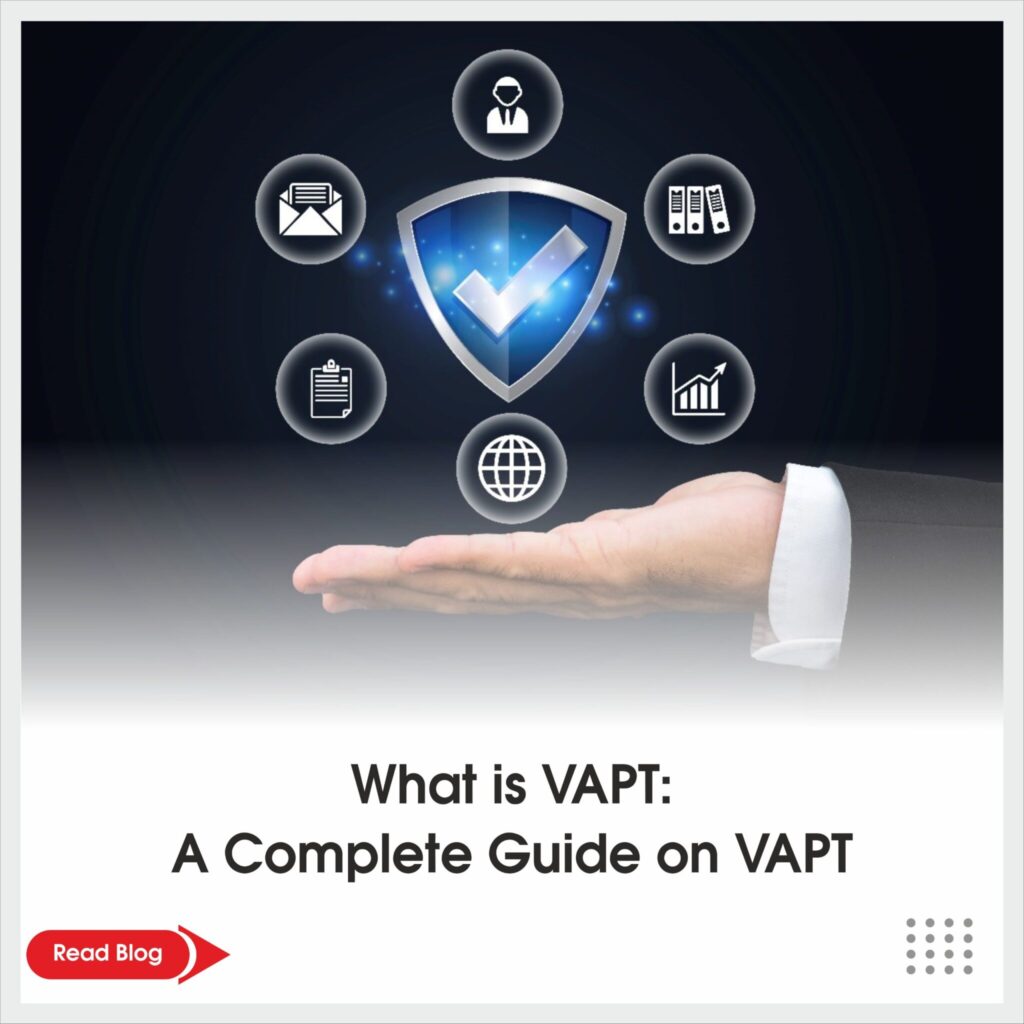
Introduction: Understanding What is VAPT and its Significance in Cybersecurity Cybersecurity has emerged as a major problem for businesses in a variety of sectors in the current digital era. Businesses now need to take strong precautions to protect sensitive data because cyber-attacks and data breaches are becoming more frequent. One such vital procedure is vulnerability assessment and penetration testing, or VAPT for short. This process is critical to guaranteeing the security of an organization’s IT infrastructure. VAPT is the process of using thorough assessments to find vulnerabilities in the systems, networks, and applications of a business. These evaluations are carried out by qualified cybersecurity experts who model actual attacks in order to find potential vulnerabilities that malevolent actors can take advantage of. Organizations can prevent cybercriminals from taking advantage of these vulnerabilities by proactively addressing them using VAPT. It is impossible to overstate the importance of VAPT in the field of cybersecurity. It gives businesses insightful information about their security posture and assists them in identifying areas that need to be addressed right away. VAPT is also frequently required by industry standards like ISO 27001 compliance and regulatory organizations, which makes it a crucial tool for companies trying to uphold data integrity and safeguard client confidence. A thorough analysis of the vulnerabilities discovered during the security test is provided in a VAPT report. Why Vulnerability Assessment and Penetration Testing (VAPT) is Crucial for IT Industries? Information technology industries need to give vulnerability assessment and penetration testing (VAPT) top priority when it comes to their security protocols because data breaches and cyber-attacks are becoming more common. Identification of potential flaws in a system or network that hackers could exploit is known as vulnerability assessment. The risk of data breaches and unauthorized access can be reduced by IT industries by regularly conducting assessments to proactively detect and resolve vulnerabilities before they are exploited. By mimicking actual attacks, penetration testers go beyond assessment and determine how well-functioning the current security measures are. Organizations are able to fortify their defenses and reduce any dangers by using this approach to find any weaknesses in network security. Implementing VAPT preserves an organization’s reputation in addition to protecting sensitive data. A solitary breach of data can result in dire outcomes, such as monetary detriment, harm to the reputation of a brand, and legal ramifications. Businesses show their dedication to preserving consumer trust and protecting customer information by investing in thorough IT security evaluations. Furthermore, companies frequently need to perform routine VAPT evaluations in order to comply with industry laws like the GDPR (General Data Protection Regulation), ISO 27001, CMMI, SOC-1, and SOC-2. There may be severe fines and legal repercussions for breaking these rules. Benefits of VAPT testing for Industries In the subject of cybersecurity, particularly within IT enterprises, vulnerability assessment and penetration testing (VAPT) are crucial elements. Here are some key benefits: Practical Experience: Practical, hands-on exercises and laboratories that mimic real-world events are frequently included in VAPT certification programs. This gives you the opportunity to practice employing different security tools and strategies successfully. Risk Assessment: VAPT offers a thorough evaluation of the possible effects that exploits might have on the system. By concentrating on high-risk vulnerabilities, it can help prioritize security efforts. Constant Learning and Adaptability: VAPT certification promotes continual learning and adaptation to new security problems and technology. Cyber threats are always changing. It gives you the abilities to keep ahead of new dangers. Prevention of Financial Loss: Due to data breaches, ransomware attacks, etc., cyberattacks can cause substantial financial loss. Such situations can be avoided through VAPT, protecting the company from significant financial loss. Improved Career Opportunities: Having a VAPT certification can help you get access to fascinating cybersecurity career options. Specialized certificates such as VAPT are highly valued by organizations when hiring for security analyst, penetration tester, ethical hacker, and security consultant positions. Creation of Security Awareness: Additionally, VAPT aids in instructing the organization’s workforce about the significance of security precautions and how to react in the event of a breach. Business Continuity Enhancement: Businesses can avoid disruptions brought on by cyberattacks, ensuring smooth operations and business continuity, by discovering and addressing vulnerabilities. Decision Making: The thorough reports produced by VAPT offer insightful information that helps guide decisions regarding IT investments and security protocols. Since new vulnerabilities might develop over time as technology and threat landscapes change, VAPT should be a continuous process rather than a one-time occurrence. ISO standards applicable to the IT industry ISO 9001 Quality Management Systems (QMS) – ISO 9001 helps in the implementation of a quality management system in an organization. This standard can be applied to any organization irrespective of the sector that they belong to. For IT industries, it helps in ensuring the quality of services. ISO 14001 Environmental Management Systems (EMS) – Every industry, including the IT sector, is required to demonstrate its commitment to a sustainable environment. For that purpose, ISO 14001 certification can act as proof of your commitment towards the environment as well as compliance towards related regulations. ISO 45001 Occupational Health and Safety Management System (OH&SMS) – The occupational safety of the employees has a direct relation with productivity. With ISO 45001 certification, an IT company can demonstrate its commitment to providing a safe work environment for its staff. ISO 27001 Information Security Management System (ISMS) – ISO 27001 standard helps in the implementation of Information security management systems that ensure the safety and privacy of data stored within the organizations. The IT sector deals with a huge amount of online data that needs to be protected against any breach or loss. ISO 22301 Business Continuity Management System (BCMS) – This standard helps in the implementation of a Business Continuity Management System in an organization and helps them in identifying and eliminating any risk that can affect the continuity of business. ISO 27701 Privacy Information Management System (PIMS) – This standard is a data privacy extension of ISO 27001 certification and helps organizations with their GDPR compliance. It is also called PIMS (Privacy Information Management System) and it sets a framework for Personally
Complete Guidance for GDPR Certification
General Data Protection Regulation (GDPR) certification helps businesses, meaning they protect European citizens from data loss due to cyber-attacks, terrorism, unethical business practices, etc. GDPR is a required compliance action to do business in the EU or deal with data of citizens from the EU. What is GDPR certification? The General Data Protection Regulation (GDPR) is a legal framework that sets guidelines for the collection and processing of personal information from individuals who are residing in the European Union (EU) and outside. General Data Protection Regulation (GDPR) was passed in the European Parliament in 2016 and put into effect in May 2018. GDPR is the world’s toughest security and privacy law. It aims to provide consumers control of their personal data by holding organizations responsible for the way they handle and treat this information. The GDPR rules apply nevertheless of which website they are based on. Importance of GDPR certification With quickly growing cybercrime and data threats, it is very important to consider the GDPR certification for businesses. The increasing number and nature of cyber-crime and data violations has put the industry alert. At present, businesses have been investing to safeguard their customer’s important and personal information. GDPR or General Data Protection Regulation Certification is one of the best solution providers to protect data from cyber-attacks, threats, etc. It provides many benefits with optimal data protection solutions. The major benefits of the General Data Protection Regulation (GDPR) include improved accountability and safeguarding their client data. Key principles of GDPR Certification Seven key principles in GDPR certification are mentioned below; Lawfulness, fairness, and transparency Purpose limitation Data minimization Accuracy Storage limitation Integrity and confidentiality Accountability Lawfulness, fairness and transparency: Processing secret data should be done lawfulness, fairness, and transparency. An individual should be informed how their data is used. Purpose of limitation: Personal data should be collected only for lawful purposes. Data minimization: Personal data must be limited to what is needed for the stated goal. Accuracy: Ensuring that secret data is corrected and up to date is important. Whenever it needs the data should be corrected or deleted without delay. Storage limitation: To achieve the intended purpose personal data should be Kept only as long as needed due to Storage limitations. Integrity and confidentiality: It is very important to ensure that personal data is processed securely, it safeguards against unauthorized access or destruction. It is essential to take the required activities to protect personal data from a possible risk that may compromise its confidentiality, integrity, or availability. Accountability: Companies should acknowledge their data operational activities and show their adherence to the GDPR. Five Key Benefits of GDPR certification are 1. Enhanced data protection2. Improved customer trust and transparency3. Compliance and avoidance of penalties4. Strengthened security measures5. Competitive advantage Enhanced data protection: More focus on data protection helps the business to maintain the privacy and confidentiality of important data. Improved customer trust and transparency: Transparency is an important feature of GDPR. The regulation commands that the business to be clear and transparent about collecting, saving, and processing personal data. This increased transparency nurtures trust between businesses and their clients. Compliance and avoidance of penalties: This GDPR certification avoids penalties to safeguard the personal data of their client. GDPR certification is essential not only for maintaining client trust but also it avoiding significant penalties. Therefore, if your company is not compliant, it can result in huge penalties. Strengthened security measures : GDPR implements robust security measures to protect personal data. Businesses need to assess and upgrade their security protocols constantly ensuring data confidentiality, integrity, and availability. Competitive advantage: Conformity with this framework can offer a competitive advantage in business. By demonstrating a commitment to protect client data and privacy, businesses can differentiate themselves from competitors. This process increases client loyalty and trust. Objectives of GDPR certification Data Protection : To standardize and robust data protection law in the European Union for secure and lawful individual data processing. Notification of Data Breaches : To need Timely reporting of data breaches to authorities and affected individuals. Consent : To establish precise needs for receiving and managing individuals’ consent for data processing. Data Portability : To allow individuals to quickly move their data from one service provider to another provider. International Data Transfer : To ensure enough protection, regulate the transfer of personal data outside the European Union and EEA. Conclusion ✅ GDPR helps the customer or client to safeguard their personal or business data. The Business obtains several benefits from implementing GDPR certification. Businesses can establish themselves as responsible and trustworthy organizations in the modern digital environment by embracing and prioritizing data protection.
PCI DSS Compliance: Why It Matters More Than Ever in Today’s Digital World
The Payment Card Industry (PCI) Data Security Standard (DSS) is an information security standard designed to improve cardholder data security for companies that store, handle, or transfer credit card information. Its major goal is to decrease cardholder information susceptibility and credit card theft by tightening controls over how cardholder data is kept, processed, and sent. Retailers, retail branches of any firm in any industry, online payment services, banks that issue credit cards, and service providers that offer online cloud payment processing are examples of organizations that keep cardholder environment data. Who is subject to the PCI DSS? The PCI DSS applies to all businesses, regardless of location, size, or transaction volume. These requirements apply whenever the firm is involved in the payment process by receiving, transmitting, or keeping credit card information. Failure to comply with PCI DSS requirements leads to a fee or potentially the loss of your company’s ability to take credit cards. What are the main goals of PCI DSS compliance? This aspect makes PCI compliance an important element in the running of an online business. The reason is simple. PCI-DSS standards offer the most comprehensive advice that can guide the process of securing such data and customer information. Inadequate data security is costly. As reported by IBM, the cost of a breach is approximately $4. 35 million. There is no doubt that strong PCI compliance can help companies avoid significant risks related to data loss. This does not only help to reduce financial losses as a result of attacks, but as well. Compliance also serves as an effective shield against the negative impact that the organization’s reputation may be subjected to. And it minimizes the chances of federal prosecution for putting data on the line. PCI compliance addresses the root causes of most breaches that result in the loss of data. These are: – Other insecure payment processing devices like in-store readers. Digital cardholder data environments. If there are paper financial records of card data, they should also be returned. Security devices such as CCTV or other recording equipment that capture credit card information. Unsecured network access points. The advantages of putting PCI DSS Compliance into practice Adopting PCI-DSS compliance requirements has several advantages for the company, ranging from improving overall security posture and safeguarding against data breaches to preventing customer attrition and financial penalties. Optimizing security posture and improving operational efficiency are achieved by using robust cryptography and security measures together with best practices. Additionally, it promotes a compliance culture and aids in proactive risk management. Many big businesses look for providers who comply with PCI. Therefore, it facilitates commercial corporation expansion. Clients may easily mortgage their faith in the company with compliance assurance. They are aware that their data is handled safely and securely. It is possible to prevent the financial consequences of non-compliance or breaches, such as fines, penalties, litigation, etc. The majority of people remain unaware of the rules that govern PCI compliance and have no idea about penalties for non-compliance. Even though PCI is not the law, this doesn’t mean that being out of compliance is not important. A Verizon Data Breach Incident Report that was conducted in 2015 discovered that there were approximately 79, 988 data security incidents this year. Therefore, your payment processing life cycle has to be more secure than ever. If you are non-compliant with the PCI standards of your business, then you are vulnerable to data breaches, fines, replacement of cards, expensive forensic audits and investigations concerning your business, damage to the brand of the business, and more in case of a breach. However, 30% of the small businesses surveyed said they have no idea of the consequences when they fail to implement PCI DSS 3.0. Punishments are not widely advertised but they are devastating to organizations. How does PCI DSS compliance work? The PCISC is the governing body that oversees PCI compliance. The PCI Security Standards Council maintains a document library that holds the current regulatory standards on PCI. This library also offers “at a glance” digests, quick reference guides, and updates on recent changes. PCI regulations work in the way that checklists work. Companies benchmark their security program with PCI-DSS guidelines. And they make changes based on these recommendations. This process usually takes a three-stage format: Assessment – The general assessment of the cardholder data environment. Any device or application that processes credit card information has to be included in the lists. They need to follow the PCI specifications to determine risks that may compromise cardholder data. Mitigation – There are controls that organizations must implement to ensure compliance with PCI-DSS on the internal security systems. Documentation – Any alteration made within the organization needs to be recorded and reported with the purpose of standardizing the systems in compliance with the PCI-DSS. This will also serve as supporting documents that the organization is in line with contemporary security requirements. Core principles of PCI DSS compliance Six fundamental PCI-DSS principles are applied in the majority of PCI compliance procedures. The most significant information security challenges are encapsulated in these ideas. They assist companies in concentrating on what matters by demystifying a difficult problem. First principle: Network security One of the most important aspects of credit card data security is network edge protection. Software upgrades, firewalls, and threat detection systems protect against malicious software and outside intrusions. Second Principle: Data protection Information about cardholders should be recorded and kept safe. Apart from other network resources, customer data should be kept. Furthermore, all vital data should be encrypted by security specialists. Third principle: Ongoing vulnerability managementEstablishments ought to evaluate possible weak points. Malware scanners and antivirus software are only two examples of the many technologies that security teams should use. Also, everyday data security responsibilities must incorporate PCI regulations. Fourth principle: Access controlOnly authorized and verified users should have access to cardholder data. Manage access by implementing role-based controls and removing privileges as necessary. Restricting physical access to devices containing cardholder data may also be necessary in this situation. Fifth Principle: Security testingPenetration testing
How does ISO 37001:2016 Certification help organizations fight corruption and bribery?

Bribery is a global problem that can lead to significant moral, political, social, and economic issues. Moreover, the most alarming thing about bribery is that people do not even consider bribery as a heinous crime. It is seen as a victimless crime that, in one way or another, society has accepted and justified with statements like “it is unavoidable” or “you cannot do anything about it.” However, bribery is a form of misconduct within a workplace that can lead to corruption and hinder fundamental human rights. The International Organization for Standardization (ISO) has published ISO 37001:2016 Certification for Anti-Bribery Management Systems (ABMS) to fight the evil of bribery and eliminate corruption. What is ISO 37001:2016 Certification? ISO 37001:2016 is a certification for Anti-Bribery Management Systems (ABMS). Moreover, it is an international standard that provides a framework for organizations to prevent, detect, and address bribery. ISO 37001 specifies various measures and controls to help organizations implement anti-bribery guidelines to identify and mitigate bribery risks and comply with relevant laws and regulations. Organizations can demonstrate their commitment to ethical business practices to enhance their reputation and reduce the risk of bribery-related incidents. Anti-Bribery Management Systems (ABMS) Framework for Organizations ISO 37001:2016 standard mandates organizations to implement a series of measures to implement appropriate controls to manage specific circumstances. Moreover, it helps organizations prevent, detect, and address bribery incidents by establishing a moral and ethical code of conduct. ISO 37001 follows a Plan-Do-Check-Act (PDCA) approach for continuous improvement within the organization to adopt an Anti-Bribery system. Organizations seeking to implement ISO 37001:2016 Certification should follow the national and international guidelines and regulations related to anti-bribery. Furthermore, the certification also provides an organization with a foundational list of anti-bribery checks and controls for sensitive activities and positions. Many organizations worldwide implement the following checks and controls as a solid operational strategy. Moreover, it helps them keep uniformity, consistency, and transparency in their efforts to achieve their goals. ISO 37001:2016 Certification improves financial and non-financial oversight by deploying automated monitoring tools to prevent unauthorized payments.It can significantly boost an organization’s economic health, reputation, and growth prospects. Moreover, it demonstrates the organization’s dedication to ethical business practices for its stakeholders. Ways in which ISO 37001 for Anti-Bribery Management Systems Certification helps organizations fight Corruption and Bribery ISO 37001 emphasizes on doing thorough due diligence on business partners and putting safeguards in place to avoid bribery in the supply chain. Moreover, this makes it possible for businesses to choose and manage dependable and trustworthy business partners, lowering the chance of being linked to bribery actions by third parties. ISO 37001 also enables your business to perform better daily by ensuring that your organization has a culture that prioritizes transparency and reduces the risk of bribery. It assists an organization in setting goals and objectives that encourage diligence and the capacity to monitor and evaluate to lower bribery risks. ISO 37001 Certifications help to demonstrate to the prosecutors or courts that the organization has made reasonable efforts to prevent bribery in the case of a bribery inquiry involving the organization. Because of this, it could help in avoiding or minimizing prosecution. ISO 37001 Anti-Bribery Management System Increases certainty and transparency around anti-bribery procedures. It adheres to ethical business principles and keeps all stakeholders updated on the organization’s stance against bribery. Numerous governmental organizations, businesses, and international organizations favour doing business with suppliers and partners with effective anti-bribery procedures. ISO 37001 implementation might provide an organization with a competitive edge by creating new business prospects and alliances. Conclusion ✅ ISO 37001:2016 Certification is a significant marketing tool for organizations to fight against corruption and bribery. Moreover, this certification establishes a robust framework to prevent, detect, and address bribery incidents by ensuring compliance with relevant laws and regulations. Organizations can cultivate a culture of transparency and integrity by implementing ISO 37001. It also demonstrates to stakeholders, including courts and prosecutors, that the organization is committed to ethical practices to mitigate legal repercussions. Furthermore, ISO 37001 provides a competitive edge by attracting business entities to prioritize ethical and moral standards for sustainable growth and trustworthiness.
Future-Proof Your Data Privacy with ISO 27701 Certification

In today’s digital landscape, organisations cannot overstate the importance of safeguarding personal information. Organisations worldwide are tasked with navigating a complex maze of data privacy regulations and cybersecurity threats. However, ISO 27701:2019 is a vital tool for every organisation striving for comprehensive data protection. It is an extension of ISO/IEC 27001 Certification for Information Security Management Systems (ISMS). ISO 27701 provides a robust framework for managing personal data processing by ensuring compliance with regulations like GDPR. It also helps organisations mitigate the ever-evolving information security threat landscape. The imperative for stringent data privacy measures has never been more pressing, with escalating cyberattacks at an alarming rate and the costs of data breaches reaching unprecedented heights. What is ISO/IEC 27701 Certification? ISO 27701, published in 2019, establishes a framework for efficient data protection within organisations by aiming for global recognition and optimal information security. It extends ISO 27001, guiding the creation and enhancement of Privacy Information Management Systems (PIMS). This standard is crucial for managing Personally Identifiable Information (PII), whether organisations control or process it. Achieving ISO 27701 certification assures adherence to PIMS requirements and is essential for any entity handling PII within its Information Security Management System (ISMS). Across the globe, stringent data security laws, like the GDPR in the EU, reinforce privacy standards for customer data protection. Implemented in 2018, the GDPR sets strict data collection, usage, and transfer regulations. Moreover, it focuses on fortifying privacy rights in today’s digital realm. Purpose of ISO/IEC 27701 Certification ISO 27701, an extension of ISO/IEC 27001, is a globally recognised certification aiming to optimise data and information protection. Even with ISO 27001 certification, ISO 27701 adds an intricate layer of data privacy by enhancing information security significantly. Its purpose is to minimise privacy risks by integrating best practices into organisational policies and processes and ensuring secure processing of personal data. Companies align with data privacy standards like GDPR by establishing and maintaining effective Privacy Information Management Systems (PIMS). Benefits of ISO/IEC 27701 for Privacy Information Management Systems (PIMS) The following are the benefits of ISO/IEC 27701 certification for Privacy Information Management Systems (PIMS). These are :- • Enhanced Data Privacy Management – ISO/IEC 27701 provides a systematic approach to managing privacy risks associated with personal data processing. It helps organisations identify, assess and mitigate privacy risks by implementing appropriate controls and measures. Moreover, this structured framework ensures that data privacy considerations are integrated into all aspects of the organisation’s operations, from data collection and processing to storage and disposal. • Compliance with Regulations – Achieving ISO/IEC 27701 certification demonstrates an organisation’s commitment to complying with various data privacy regulations and standards. ISO 27701 also guides organisations to align with GDPR requirements and other laws to avoid costly penalties and legal consequences. • Improved Reputation and Trust – ISO/IEC 27701 certification enhances an organisation’s reputation by demonstrating its commitment to stakeholders, including customers, partners, and regulators, that it takes data privacy seriously. Organisations build the trust and confidence of clients and stakeholders by demonstrating compliance with internationally recognised standards. • Competitive Advantage – Data privacy has become a significant differentiator for organisations. Achieving ISO/IEC 27701 certification sets organisations apart from competitors by showcasing their commitment to protecting the privacy of individuals’ data. • Cost Savings – ISO/IEC 27701 certification leads to cost savings by reducing the likelihood and impact of data breaches and non-compliance incidents. Organisations can minimise the risk of data breaches by implementing robust privacy controls and measures to reduce financial losses, regulatory fines, legal fees, and reputational damage. Conclusion ✅ Organisations today face the critical challenge of safeguarding personal data amidst a complex landscape of data privacy regulations and cybersecurity threats. ISO 27701:2019, an extension of ISO/IEC 27001 Certification, is a vital tool for comprehensive data protection. ISO 27701 helps organisations navigate the evolving threat landscape by providing a robust framework for managing personal data processing and ensuring compliance with regulations like GDPR. It aims to minimise privacy risks and enhance information security significantly by integrating best practices into organisational policies and processes.
How Important is HITRUST Certification?

The healthcare industry collects and stores a vast amount of patients’ data. As a result, it is more prone to cyberattacks and becomes the primary target of security breaches and data theft. As per the HIMSS Survey, around 81% of US hospitals and healthcare systems and 83% of payers are adopting the HITRUST information security framework to win clients’ and vendors’ trust. Moreover, the certification is necessary for third-party vendors in the healthcare sector. HITRUST Certification is a significant tool for companies in the healthcare sector to demonstrate their commitment to information security and become successful. The certification provides an organisation with a proactive approach to expanding its consumer base and helps it retain existing customers. However, the HITRUST Alliance introduced the Common Security Framework (CSF) to empower healthcare systems and enable them to adopt appropriate cybersecurity defence mechanisms to safeguard users’, clients’, and stakeholders’ data. What is HITRUST Certification? HITRUST stands for the Health Information Trust Alliance (HITRUST) and is a Common Security Framework (CSF) designed by the HITRUST Alliance. Moreover, the certification provides a formal and extensive certification process for organisations for an information security program. The certification is the highest degree of confidence and demonstrates an organisation’s ability to meet compliance to safeguard users’ and stakeholders’ data. The Health Information Trust Alliance, or HITRUST Alliance, is an independent not-for-profit body established in 2007 to manage information security risks and safeguard sensitive data. The organisation published the HITRUST Common Security Framework (CSF), which includes various other standards. These are: HIPAA ISO/IEC 27000-series NIST 800-53 PCI-DSS HITRUST Common Security Framework (CSF) is a unique standard combining all other significant data security standards for information security and data protection, including SOC 2 and NIST. The certification mandates an organisation to conduct a thorough assessment and independent assurance program to follow a unified path to attain information security against cyberattacks. Moreover, HITRUST Certification is a gold standard for companies in the healthcare sector to ensure data protection and expand business. The Three Shades of the HITRUST Certification HITRUST Certification follows a comprehensive information security framework that comes in three types :- HITRUST bC: HITRUST bC is a verified assessment. However, it is not a third-party assessment but a self-assessment performed by the organisation. It is validated by the HITRUST e1. The HITRUST i1: The HITRUST i1 is an assessment conducted by a HITRUST assessor firm or HITRUST-approved assessor of 219 HITRUST CSF controls. Moreover, it is valid for one year and can be supported by a readiness assessment. The HITRUST r2: The HITRUST r2 is a HITRUST-validated assessment of the HITRUST CSF control baseline applicable to an organisation. It is valid for two years and can be attained after completing an interim inspection after the first year. HITRUST Security Controls Companies in the healthcare sector can apply for HITRUST Certification to maintain compliance with significant information security regulations of all sizes. However, organisations need expert security guidance to convert general obligations into solid policies. The HITRUST Certification offers hundreds of security controls across 19 different areas. These are:- Information security and protection program Endpoint protection (laptops, servers, and devices) Portable media controls (thumb drives and the like) Mobile device security (laptops, cell phones, etc.) Wireless access (WiFi security) Configuration and change management Vulnerability detection and management Network security protection Data transmission protection Password strength and management Access control to servers and software Audit logging and monitoring Employee education, training, and awareness Third-party contracts and management Incident response and management Business continuity and disaster recovery Risk assessment and management Data centre physical security Data protection and privacy Conclusion ✅ HITRUST certification is a crucial benchmark in the healthcare industry’s fight against cyber threats and data breaches. The healthcare sector is particularly vulnerable to malicious attacks due to the sensitive nature of an effective marketing tool for organisations to win new clients, customers, and stakeholders. HITRUST is a Common Security Framework (CSF) for healthcare organisations to gain a comprehensive approach by fortifying their defences against cyber threats. HITRUST certification encompasses various security controls, from endpoint protection to incident response and management, leaving no stone unturned in safeguarding sensitive data.