Understanding ISO 27002:2022 Control 8.9
Configurations, whether in individual files or interconnected settings, play a fundamental role in governing the operation of hardware, software, and entire networks. For example, a firewall’s default properties, including block lists, port forwarding, virtual LANs, and VPN information, are stored in its configuration file. ISO 27002:2022 (Control 8.9) recognises the significance of configuration management and introduces it as a new control in the revised edition. This control is an essential aspect of an organisation’s security management. What is Configuration Management? ISO 27002:2022 defines configuration management as “The process of controlling and managing the changes to the hardware, software, and network configurations of an organisation’s IT systems. It is the practice of identifying, documenting, and managing the configuration items (CIs) of an organisation’s IT systems, such as servers, network devices, applications, and databases.” What is the significance of ISO 27002:2022 Control 8.9? Control 8.9 states that the hardware, software, services, and networks, including security configurations, should be established, documented, practised, measured, and frequently evaluated. Moreover, ISO 27002 forms a part of Annex A controls defined in the ISO 27001:2022 certification. Configuration management ensures secure and efficient IT systems by maintaining accurate inventories, monitoring changes, and restoring systems to a known state after a security incident. It is an integral part of asset management, guaranteeing the correct function and protection of networks and devices. ISO 27002:2022 Control 8.9 is a preventive measure to mitigate cyber risk by establishing rules for recording, implementing, monitoring, and evaluating configurations across an organisation’s ecosystem. Configuration management, an administrative effort, is solely responsible for maintaining and monitoring data across devices and applications. Ownership typically lies with the Head of IT or a similar role. Mandatory steps for Configuration Management ⮯ The configuration management process includes the following steps:- 1. Determine and list the configuration components: The organisation must outline all the hardware, software, and network devices it has, together with their settings. 2. Create and put into practice the change management process: It is necessary to establish a process for submitting, approving, and implementing changes to the configuration items and for recording and tracking those changes. 3. Observe and report: Organisations must inspect the configuration items for compliance and security problems and alert the appropriate parties. 4. Restoring and backing up: In the event of a security issue, make and retain copies of the configuration items and have a process to restore systems to a known, secure state. ISO 27002:2022 Control 8.9 emphasises the importance of considering all relevant roles and responsibilities when establishing a configuration management policy. It recommends delegating configuration ownership on a device-by-device or application-by-application basis. By doing so, companies can enhance their overall configuration management practices. It ensures effective configuration management by addressing companies and establishing policies for newly installed and existing hardware and software. Moreover, this includes critical components such as security configurations, storage devices for configuration files, and relevant software applications. Importance of an effective Configuration Management System Configuration management should align with the organisation’s security and business objectives, closely tied to the corporate security policy and change management (ISO 27002, Control 8.32). Businesses should strive to securely configure hardware, software, and systems using standardised templates that align with information security activities and fulfil minimal security criteria. IT managers must consider the organisational needs and the practicality of using or managing templates. Reviewing configuration templates should occur in sync with hardware or software changes and emerging security threats. Organisations are responsible for maintaining and storing configurations and documenting modifications or new installations to the change management control (Control 8.32). Logs should include details such as asset owner, timestamps of recent configuration modifications, current version of the configuration template, and any relevant information for identifying connections to other assets or systems. Why is it important for an Organisation to maintain compliance with Configuration Management? ⮯ Secure Configuration Management is a practice to maintain compliance with security standards, including ISO 27002:2022. Moreover, it is a preventive measure to strengthen system security, reduce vulnerabilities, and prevent potential breaches. Organisations should employ diverse techniques to effectively monitor configuration files across their network, including automation and specialised configuration maintenance solutions. For instance, PCI DSS emphasises the importance of configuration management and requires File Integrity Monitoring (FIM) to track changes that could result in configuration drift and non-compliance. Enjoy Reading – Major/Minor Non-Conformances : Explored In Detail Achieving ISO 27701 Compliance: A Step-by-Step Journey
What is Involved in an ISO 27001 Implementation
Several essential steps are required for ISO 27001 implementation in order to guarantee an organization’s efficient management of information security. Here’s how it works:- Establishing the context : This stage involves fully understanding the organization’s information security objectives, requirements, and legal responsibilities. It also entails specifying the parameters of the Information Security Management System (ISMS) and the implementation’s scope. Conducting a risk assessment : This stage involves discovering and assessing the risks related to the information assets of the organisation. Evaluation of potential risks, vulnerabilities, and their possible effects are all part of this process. Developing a risk treatment plan : A strategy is developed to manage and minimise risks that have been identified based on the risk assessment. The particular steps that must be taken to lessen or eliminate the risks are outlined in this strategy. Implementing the controls : This stage involves setting up the required procedures and controls to properly manage information security threats. This entails developing and putting into practice rules and processes, making sure that legal and regulatory requirements are fulfilled, and creating systems for observing and evaluating controls. Conducting training and awareness programs : Employees must be informed of their responsibility for protecting the security of information assets. Topics including data protection, password security, and incident response protocols should be covered in training programmes. Conducting internal audits : Internal audits that are conducted on a regular basis assist in identifying areas for improvement and evaluate how well controls have been implemented. These audits make sure that the Information Security Management System (ISMS) is operating according to plan and in accordance with ISO 27001 certification requirements. Conducting management reviews : The ISMS should be reviewed by top management on a regular basis to make sure it remains appropriate, sufficient, and effective. This review involves evaluating internal audit findings, going through safety incidents, and considering any context changes for the organisation. Overall, implementing ISO 27001 requires a methodical strategy that includes risk assessment, control implementation, personnel training, and continual monitoring and improvement. It is an extensive framework that gives organisations the tools they need to properly manage information security threats and safeguard their valuable resources.
ISO Certifications for the Medical Industry
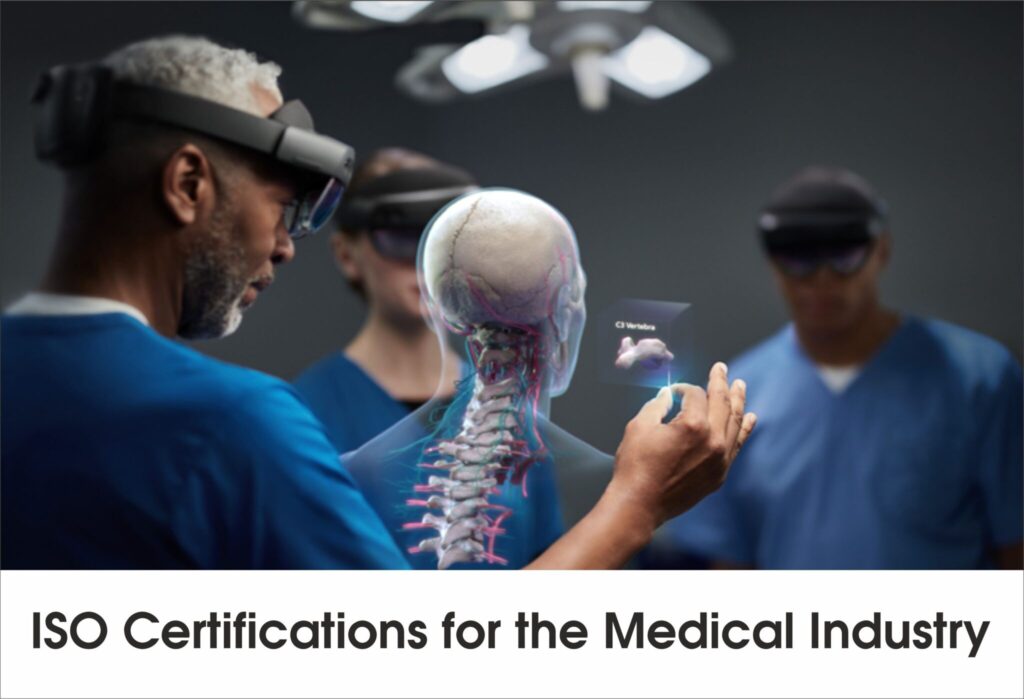
The International Organisation for Standardisation (ISO) has developed various management standards to ensure good quality, safety, and effectiveness of diverse products and services. The medical industry and ISO certification are closely related, as these are internationally recognised benchmarks for procedures, risk management, and regulatory compliance. Moreover, it assures product quality, mitigating errors, and patient safety by maintaining compliance with ISO standards. Significance of Medical Industry in an Economy The medical industry is significant for every economy due to its broad impact. It facilitates economic growth by generating substantial revenue and job opportunities. In addition to the economic benefits, it ensures public health and well-being by enhancing employee productivity and safety. A robust healthcare system also helps ease the burden on social welfare by fostering overall economic stability. Furthermore, Medical tourism is an emerging field that brings in foreign currency and boosts revenue. What is ISO Certification? ISO stands for International Organisation for Standardisation and is widely accepted to measure the quality of products and services. It displays an organisation’s dedication to compliance with strict standards and consistently enhances business procedures. Achieving ISO certification is a powerful marketing tool that improves a company’s reputation and credibility. Why is there a need for ISO Certification in the Medical Industry? ISO-certified organisations in the Medical Industry demonstrate their compliance with strict quality and safety standards. Moreover, it follows a risk-based approach to identify areas of improvement by outlining potential threats and opportunities. The purpose of conducting a risk assessment is to take corrective actions to achieve intended outcomes. Obtaining an ISO certification is a marketing tool that improves the credibility and competitiveness of medical manufacturers. It also fosters trust among healthcare professionals and regulatory bodies by reducing errors and saving costs. ISO standards promote international harmonisation by simplifying global trade and maintaining regulatory compliance. Moreover, it facilitates continuous improvement that leads to more efficient healthcare processes. Overall, ISO certification in the medical industry safeguards patient well-being and encourages innovation by adopting the highest quality and safety standards. Possible threats of poor quality and inefficient Medical Industry ⮯ The side effects of poor-quality medical devices include harming patients, increasing healthcare costs, attracting legal issues, and damaging the industry’s integrity. These are: Patients may experience adverse effects such as infections and allergic reactions undergoing wrong medical treatment. The failure of medical devices can lead to worsened health conditions or even death. Inaccurate diagnostic devices can result in misdiagnoses that can delay proper treatment. Healthcare providers face increased risks of malpractice claims and damage to an organisation’s reputation and brand value. The healthcare system bears the financial burden of treating complications caused by substandard devices and non-conformities to regulations. A list of ISO Certifications the Medical Industry can apply for ⮯ The medical industry can apply for the following ISO Certifications to achieve organisational vision and mission. These are as :- ISO 9001:2015 Certification – ISO 9001 Certification for a Quality Management System (QMS) outlines the requirements for organisations to demonstrate their ability to consistently provide products and services that meet customer and regulatory requirements. It signifies an organisation’s commitment to customer satisfaction and continuous improvement by mitigating errors and duplications. ISO 13485:2016 Certification – ISO 13485 Certification for Medical Device Quality Management System MD-QMS. It outlines the requirements for a quality management system (QMS) to ensure consistent design, development, production, and distribution of medical devices to meet customer and regulatory requirements. ISO 27001:2022 Certification – ISO 27001 Certification sets the requirements for an Information Security Management System (ISMS). Moreover, the standard provides a robust and flexible structure for organisations to safeguard valuable information and protect its confidentiality, integrity, and availability. ISO 14001:2015 Certification – ISO 14001 Certification outlines guidelines for establishing and maintaining an effective Environmental Management System (EMS). It follows a risk-based approach to identify, monitor, and control the negative environmental impact to promote sustainable practices and compliance with relevant environmental regulations. ISO 22000:2018 Certification – ISO 22000 certification for Food Safety Management System (ISMS) is relevant for healthcare institutions providing food services inside hospitals. It provides guidelines for organisations in the food industry to ensure the safety of their products throughout the entire food supply chain, from production to consumption. ISO 22301:2019 Certification – ISO 22301 certification for Business Continuity Management System (BCMS) ensures healthcare facilities even during emergencies and unexpected events. It provides a framework for organisations to identify potential threats, assess their impact, and develop strategies to ensure the continuity of critical business operations. ISO 37001:2016 Certification – ISO 37001 standard for Anti-Bribery Management System (ABMS) prevents corruption and unethical practices within healthcare organisations. It provides a robust framework for organisations to prevent, detect, and address bribery and corruption incidents in their business operations. Moreover, it helps organisations eliminate risks and enhance trust among stakeholders. ISO 45001:2018 Certification – ISO 45001 is an occupational health and safety management system (OHSMS) that prioritises worker security in the healthcare industry. It provides a systematic framework for recognising, evaluating, and monitoring occupational health and safety. Additionally, ISO 45001 fosters a safe and healthy workplace for workers and stakeholders by lowering illnesses, fatalities, and occupational injuries. ISO 50001:2018 Certification – ISO 50001 standard for Energy Management Systems (EnMS) provides a framework for managing energy consumption in healthcare facilities. It encourages organisations to adopt policies, objectives, and processes to improve energy efficiency by reducing energy consumption and greenhouse gas emissions. ISO/IEC 27701:2019 Certification – ISO 27701 standard for Privacy Information Management Systems (PIMS) to ensure compliance with data protection and privacy regulations, such as the General Data Protection Regulation (GDPR). It demonstrates an organisation’s commitment to data security by ensuring transparency, accountability, and compliance with national and international regulations related to data privacy. Good Manufacturing Practice (GMP) Certification – Manufacturers of pharmaceuticals and medical devices must adhere to stringent regulations and standards to receive Good Manufacturing Practice (GMP) Certification. It includes a variety of production-related topics, such as equipment calibration, staff training, facility cleaning, paperwork, and product testing. 12. ISO 41001:2018 Certification: ISO 41001 Certification outlines the framework for Facility Management Systems (FMS). The ISO 410001 standard helps the healthcare industry to implement the highest
How to get certified to ISO/IEC 27001
Information Security Management Systems (ISMS) are required to adhere to the international standard ISO/IEC 27001. An extensive audit is part of the certification process and is performed by an established certifying authority. Here’s a step-by-step guide on how to get certified :- Understand the Standard: Understanding the ISO/IEC 27001 standard, its principles, and requirements is crucial before beginning the certification process. Reading the standard in its entirety or taking training sessions can help you achieve this. Perform a Gap Analysis: This initial assessment will show where your organisation stands in relation to the standard. To follow ISO/IEC 27001, you must first identify the areas that require improvement. Implement the ISMS: According to the specifications of the ISO/IEC 27001 standard, develop your information security management system. As part of this, the scope must be established, followed by the relevant policy and procedures being written, risk management techniques being put into action, and controls being established. Conduct Internal Audits: Conduct internal audits after implementing your Information Security Management System (ISMS) in place to evaluate the system’s performance and find any areas that need improvement. This will assist you in getting ready for the external audit. Management Review: For continued appropriateness, sufficiency, and effectiveness, top management should assess the Information Security Management System (ISMS) at predetermined intervals. Choose a Certification Body: Choose a recognised certification body to carry out your external audit. Verify if they have received national accreditation from a reputable organisation. External Audits: An external audit will be conducted by the certification body. This normally involves two stages: Stage 1 is a preliminary, informal review of the Information Security Management System (ISMS) and Stage 2 is a more in-depth, formal review. Address Any Non-Conformities: You won’t be able to be certified unless you fix any non-conformities that the auditor finds. Certification: You will be granted your ISO/IEC 27001 certification if you successfully complete the external audit and rectify non-conformities if received. Continuous Improvement: Your Information Security Management System (ISMS) must be continually improved to comply with ISO/IEC 27001. This requires regular reviews and audits to maintain continuous compliance and to find areas for improvement. Enjoy Reading – New Version of ISO 27001:2022 Certification Demystifying ISO 27701: A Comprehensive Guide to Privacy Information Management Systems CMMI Certification: Optimising Processes to Achieve Goals 10 Benefits of Getting ISO 41001 Certification for Facility Management System
Environmental Responsibility Made Easy with ISO 14001 Certification
People and organisations must accept responsibility for their impact on the world, where environmental challenges and sustainability are becoming increasingly important. ISO 14001 assists businesses in achieving their sustainability and environmental responsibility objectives with Environmental Management Systems (EMS). What is ISO 14001 Certification? ISO 14001 standard for the Environmental Management Systems (EMS) offers a framework that businesses may use to enhance their environmental performance. The objective of the EMS is to reduce the adverse effects of business operations, products, and services while maintaining compliance with relevant environmental laws. It promotes a process-based approach to maintaining environmental management by highlighting the necessity of establishing goals, tracking results, and making data-driven decisions. Benefits of ISO 14001:2015 standard for organisations ⮯ The following are the benefits of ISO 14001 certification : – Reduced Environmental Impact: The ISO 14001 standard helps businesses to recognise and control their environmental impact by conducting a risk assessment. Moreover, it helps organisations reduce their carbon footprint by using less energy, producing less waste, and reducing hazardous emissions. Legal Compliance: The standard adheres to environmental rules and regulations to avoid fines and protect the organisation’s reputation. Cost Savings: ISO 14001 offers effective environmental practices to reduce duplications and errors by saving costs. It also lowers operational costs by establishing adequate waste management and less energy resources. Enhanced Reputation: ISO 14001 certification exhibits an organisation’s dedication to environmental responsibility and improves its reputation. It demonstrates the environmentally responsible behaviour of the organisation to clients and business partners. Improved Risk Management: Organisations can prevent operations that could harm the environment or interrupt business operations by identifying and reducing environmental risks. Employee Engagement: Employees tend to be more involved in environmentally conscious companies to enhance production and productivity. Seven steps to implement ISO 14001:2015 standard ⮯ Implementing ISO 14001 certification can offer a goldmine of benefits to an organisation. Moreover, it helps the organisation achieve the desired outcomes. The seven steps to implement the EMS are as follows:- 1.Leadership and Commitment – Top management shall demonstrate commitment to environmentally friendly practices and processes to ensure compliance with the EMS policies and regulations. 2.Environmental Policy – The company must formulate an adequate environmental policy outlining the organisation’s environmental responsibility and adherence to relevant laws and regulations. 3.Planning – An organisation must conduct a risk assessment to identify the impacts of its operations on the environment. Moreover, it mandates an organisation to implement appropriate controls and measures to achieve desired environmental outcomes. 4.Implementation – The mission and vision of an organisation provide the right direction to achieve defined goals and objectives. The organisation must outline potential risks and opportunities to formulate appropriate strategies to address them. 5.Monitoring and Measurement – Organisations must assess and measure their environmental performance to eliminate activities that generate unintended outcomes. It mandates an organisation to adhere to all national and international regulations to avoid fines and penalties. 6.Evaluation of Compliance – It complies with all applicable environmental rules and regulations, as any non-compliance may have legal repercussions and harm an organisation’s reputation. 7.Management Evaluation – The EMS mandates the top management to determine its performance and spot areas for improvement by examining its environmental policies, goals, and objectives. 8.Continual Development – ISO 14001 outlines the requirement for a culture of ongoing development to eliminate nonconformities and improve the organisation’s environmental performance. ISO 14001 certification makes environmental responsibility an integral part of the organisational policy Implementing ISO 14001 may appear complex, but it offers a structured method for organisations to demonstrate environmental responsibility. These are: Process-based approach – ISO 14001 tailors policies to meet the needs and requirements of an organisation. Moreover, it provides a flexible and robust structure to adopt changes and achieve desired environmental performance. Top-level management commitment – Organisations decide to work with consultants or specialists well-versed with ISO 14001 standards. Additionally, it smoothens the journey by providing the professionals with invaluable expertise and experience. Tools and Resources – Organisations can use diverse materials and technologies to implement ISO 14001 standards and enhance their overall environmental performance. Conclusion ✅ ISO 14001 offers organisations a flexible and robust framework to effectively manage their environmental impact, minimise their carbon footprint, and showcase their dedication to sustainability. Moreover, ISO 14001 enables organisations to safeguard the planet by strengthening their reputation and attaining a competitive advantage’s 14001 offers organisations a flexible and robust framework to effectively manage their environmental impact, minimise their carbon footprint, and showcase their dedication to sustainability. Moreover, ISO 14001 enables organisations to safeguard the planet by strengthening their reputation and attaining a competitive advantage Enjoy Reading – What are the Legal Requirements for ISO 14001 Certification What are the six elements of ISO 14001
Sustainability and ISO 9001:2015 Certification: Building a Greener, More Responsible Business
Sustainability has merged into business practices in today’s age of rapid change. ISO 9001 outlines guidelines for integrating sustainability into business operations. Moreover, it is an international standard for Quality Management Systems QMS). In this blog, we will examine the connection between sustainability and ISO 9001, outlining the actions that companies may take to create organisations that are more ethical and sustainable. What is ISO 9001 Certification? ISO 9001 is a standard for Quality Management System (QMS). The primary focus of the 9001 is enhancing customer satisfaction and operational efficiency. Moreover, it provides a solid foundation for integrating sustainability practices within the organisation. ISO 9001 standard encourages organisations to consider the needs and expectations of all stakeholders, including customers, suppliers, employees, and the wider community. It engages with stakeholders and organisations to identify sustainability initiatives that align with their values and address the concerns of the various parties involved. ISO 9001 emphasizes the significance of establishing sustainability objectives and setting specific goals. It focuses on increasing resource efficiency, waste reduction, carbon footprint reduction, and other environmental and social factors. Integrating ISO 9001 Certification with Sustainability ⮯ ISO 9001 guides integrating sustainability into existing processes. Here are some significant steps for building a greener and more responsible business:- Conducting a Sustainability Assessment: Organisations should assess their current environmental impact and identify areas for improvement. Moreover, this may involve measuring energy consumption, carbon emissions, waste generation, and water usage. By understanding their environmental footprint, businesses can make informed decisions about sustainability targets and initiatives. Developing a SustainabilityPolicy: A sustainability policy outlines the organisation’s commitment to sustainable practices. It should include measurable objectives, targets, and a roadmap for achieving sustainability goals. The organisation must communicate policies with all employees and stakeholders to ensure widespread awareness and participation. Engaging Employees: Employees play a significant role in driving sustainability initiatives. Organisations should provide training on sustainability practices and encourage employee involvement in identifying opportunities for improvement. By engaging employees, businesses can cultivate a culture of sustainability where everyone feels responsible for environmental and social impacts. Supplier Engagement: Organisations should collaborate with suppliers to promote sustainable sourcing and procurement practices. Moreover, this can involve setting sustainability criteria for supplier selection, conducting audits to ensure compliance with environmental standards, and encouraging suppliers to adopt sustainable practices. Monitoring and Measurement: ISO 9001 emphasises the importance of data-driven decision-making. Businesses should establish monitoring systems to track progress towards sustainability goals. Regular audits and performance assessments can help identify areas of improvement. Benefits of Building a Greener Business ⮯ Adopting sustainable practices in line with ISO 9001 brings numerous benefits to organisations. The following are the benefits of integrating ISO 9001 with sustainability:- Increases Reputation: A commitment to sustainability can improve a company’s reputation, attracting environmentally conscious customers and investors who align with the organisation’s values. Cost Savings: Implementing resource-efficient practices can lead to cost savings as it reduces energy consumption, waste generation, and optimised processes. Regulatory Compliance: Many countries have introduced regulations and incentives to encourage sustainability. Organisations can apply for ISO 9001 standards and incorporate sustainability to ensure compliance with relevant laws and regulations. Employee Engagement and Retention: Employees are more likely to be engaged and motivated when working in sustainable organisations. It demonstrates a commitment to sustainability to attract and retain talented individuals. Conclusion ✅ ISO 9001 is a powerful tool for companies seeking to build greener, more responsible businesses to improve their environmental performance. Moreover, by integrating sustainability practices into their quality management systems, organisations can enhance their reputation and contribute to a more sustainable future. Enjoy Reading – What is ISO 9001 Certification Why is ISO 9001 Certification Beneficial for it Companies Non-Conformance in ISO 9001 ISO 9001 2015 Mandatory Documentation List
ISO Management System Standard: A Powerful Marketing Tool for Organisations
Producing quality products or services is not sufficient for an organisation in the current cutthroat business environment. Businesses must stand out from the competition and win over customers’ trust. Organisations can establish trust and credibility with ISO management systems. Moreover, it is one of the persuasive approaches to leverage your business in the market. Organisations can use the ISO (International Organisation for Standardisation) standards as a framework to show their dedication to quality, environmental sustainability, information security, and other issues. Including ISO standards in your marketing plan helps strengthen your brand’s reputation and attract affluent customers. What does it mean to have an ISO certification? ISO certification is an internationally recognised accreditation awarded to organisations that meet specific standards and criteria set by the International Organization for Standardization (ISO). It signifies that an organisation has shown conformity with ISO standards, such as ISO 9001 for quality management or ISO 14001 for environmental management and more. Companies that have received ISO certification show a dedication to upholding international standards, which can improve a business’s standing and competitiveness. Additionally, these certifications boost customer happiness, lower risks, and promote operational efficiency. The standards help individual organisations and their stakeholders while fostering efficiency, uniformity, compliance, and confidence among clients and business partners. It also improves a company’s reputation. Benefits of ISO Certifications ⮯ ISO Certifications offer a goldmine of benefits to organisations and help organisations win new businesses, clients, and customers. The following are the benefits of ISO Certifications :- Building trust and credibility: ISO certifications increase clients’ and customers’ trust and confidence in your products and services. ISO is a hallmark of reliability and credibility; hence, companies use it as a marketing tool to create awareness among customers and clients in the market. ISO standards are demanding and high on dedication to quality and best practices. Competitive advantage: It provides a competitive edge to organisations in the market. The presence of certification demonstrates to clients that you are committed to upholding high standards when they compare your company to others. It might influence someone to pick your goods or services over competitors. ISO Management System Standard (MSS) as an Effective Marketing Tool ⮯ The ISO Management System Standard (MSS) is a marketing tool; based on the effective use of the ISO MSS series, many organisations fail to recognise the significance of consumer perspectives. Use the ISO logo and certification marks: ISO marketing standard systems ensure that your website, product packaging, and marketing materials feature the relevant ISO logos and certification marks. These insignia are easily recognisable and demonstrate your dedication to excellence. Highlight Your Commitment: It encourages organisations to mention in their marketing materials that your company is ISO-certified and what that means for your clients. As an illustration, “We are proud to be ISO 9001 certified, ensuring that our products meet the highest quality standards.” Share Your Story: Sharing your experience of getting ISO certification and the vision behind it enhances customers’ and clients’ trust. Customers value honesty, and knowing how much work has gone into something creates a positive image for the brand. Customer Testimonials: Request testimonials from happy clients that highlight your ISO certificates. It gives assertions to potential partners and clients about your services and quality. Educational Content: Create blog entries, films, or whitepapers with educational content that explains the value of ISO standards in your sector and how your certification benefits clients. Conclusion ✅ The ISO Management System Standard (MSS) is a powerful marketing tool that enhances an organisation’s commitment to quality and excellence. The ISO logo leverages the organisation’s market image, and the certification visually exhibits the organisation’s dedication. It creates a good reputation for organisations as a quality-driven, ISO-certified entity, ultimately benefiting the business and its clients. Enjoy Reading – ISO Certification can Boost your Business Learn More About ISO Registration Non-Conformity Blog On ISO 9001:2015 Steps For Becoming ISO Certified In India
When is the right time for an organisation to go for ISO 22000:2018 Certification?

In today’s globalised and highly competitive business environment, organisations across various industries are constantly seeking ways to improve their processes, enhance product quality, and ensure the safety of their products. One effective way to achieve these goals is by obtaining ISO 22000 certification. It is a globally recognised Food Safety Management System (FSMS). However, many organisations often find it challenging to decide, “When is the right time for an organisation to go for ISO 22000 certification?” In this blog, we’ll explore the factors that will help you pursue ISO 22000 certification and determine the optimal timing for your organisation. Factors that encourage organisations to apply for ISO 22000 Certification Commitment to Food Safety ISO 22000 certification demonstrates an organisation’s unwavering dedication to food safety. If prioritising the safety of food products is genuinely ingrained in your organisational values, pursuing this certification should be your primary focus. ISO 22000 sets strict benchmarks for food safety management systems, encompassing hazard analysis and continuous improvement. Regulatory Requirements Organisations must comply with regulations and statutory requirements to achieve ISO 22000 certification to operate in the market. Moreover, it is critical to investigate the regulatory environment and discover the requirements of ISO 22000 certification before entering new markets or sectors. Customer Demands Customer awareness and concern regarding food safety have reached new heights in modern times. Consumers view ISO 22000 certification as a symbol of trust and excellence, as it assures them the food products they consume are safe and high-quality. It exhibits that the opportune moment to pursue certification has arrived. Competitive Advantage The ISO 22000 certificate offers businesses a substantial edge in the competitive market. It shows your dedication to food quality and safety, which can distinguish you from rivals who lack this accreditation. Operational Readiness An ISO 22000-certified organisation follows a systematic method and process-based approach to ensure food safety. It ensures that an organisation has the essential resources, such as competent staff, sufficient time, and financial means. Moreover, the certification conducts a comprehensive internal evaluation that will help identify any shortcomings in your food safety management system, allowing you to take appropriate measures to rectify them. Continuous Improvement The implementation of ISO 22000 represents a commitment to ongoing improvement to deliver safe and healthy food products. You are on the right track if your company is already committed to enhancing food safety procedures and is proactive in resolving any problems or difficulties that may occur. Cost-Benefit Analysis Organisations with an ISO 22000 certificate have significant resources in terms of time and finances. It mandates organisations to conduct a comprehensive cost-benefit evaluation to decide if the investment in ISO 22000 certification is worthwhile. Assess the potential return on investment, such as the ability to attract new customers, expand market presence, and enhance operational efficiency. Employee Engagement It is essential to include personnel at all levels of the business for organisations to achieve ISO 22000 certification. The certification process runs more smoothly and efficiently when staff members are informed about and encouraged food safety. You are better prepared to pursue ISO 22000 certification if your company has already conducted employee training and engagement programmes relating to food safety. Conclusion ✅ Organisations must demonstrate their compliance with regulatory requirements, customer demands, competitive advantage, and operational readiness to obtain a food safety certificate. Organisations must evaluate multiple variables to decide the best time to pursue ISO 22000 certification. Certification is a powerful marketing tool for boosting food safety, quality, and overall business performance. Enjoy Reading – ISO 22000 Food Safety Management Systems Why Food Safety Certification is Important in Poland Guide For Food Safety Certifications
Quality Management of Medical Devices – ISO 13485 Implementation Guide
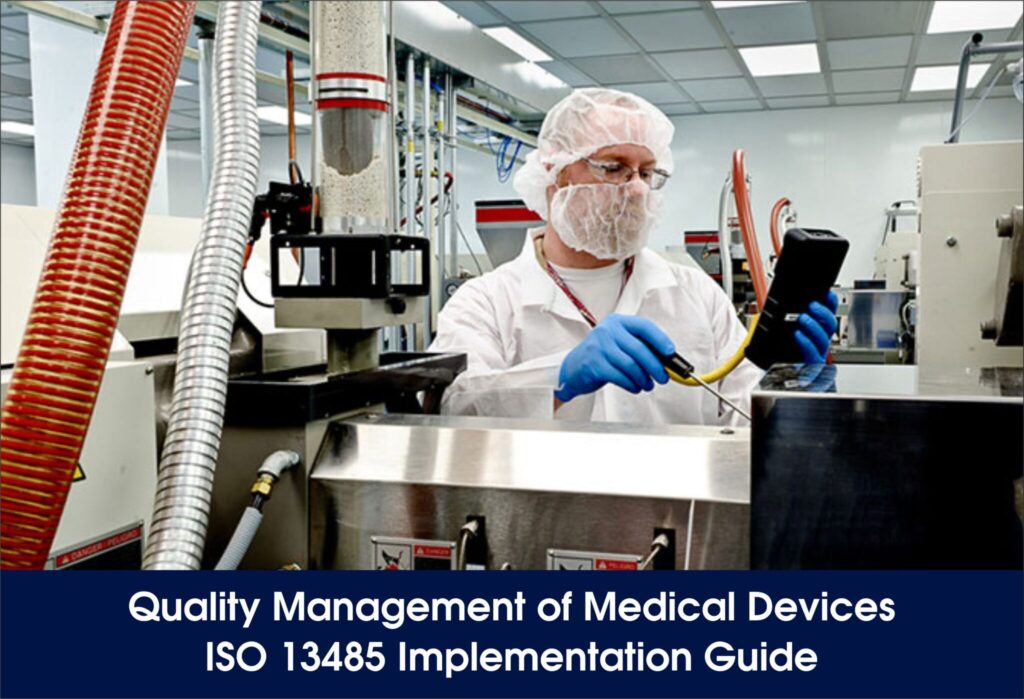
Introduction ⮯ ISO 13485:2016 is a quality management system specifically designed for medical devices and related services. It helps organizations to demonstrate their ability to provide medical devices and related services that consistently meet customer requirements and regulatory requirements applicable to medical devices and related services. Manufacturers of medical devices should be aware of ISO 13485 since it offers a framework for making sure that their products consistently satisfy consumer and regulatory requirements. An organization’s dedication to manufacturing safe and efficient medical equipment is demonstrated by compliance with this criterion. Additionally, in many global marketplaces, it aids businesses in meeting regulatory obligations. The design, development, and manufacturing of medical devices might present certain hazards, which ISO 13485 can assist businesses in identifying and reducing. Lastly, it may assist businesses in streamlining their operations and boosting productivity, which will result in better goods and more customer satisfaction. The Key Components of ISO 13485: A Comprehensive Overview ISO 13485 is an internationally recognized standard that sets out the requirements for a quality management system in the medical device industry. Compliance with this standard is crucial for companies involved in the design, development, production, and distribution of medical devices. One of the key components of ISO 13485 is establishing a quality policy and objectives. This involves defining clear goals and targets related to product quality, customer satisfaction, and regulatory compliance. By having a well-defined quality policy in place, companies can ensure that their operations align with industry best practices. Another important aspect of ISO 13485 is document control procedures. This includes establishing processes for creating, reviewing, approving, and updating documents such as standard operating procedures (SOPs), work instructions, and forms. Effective document control ensures that employees have access to accurate and up-to-date information, reducing the risk of errors or non-compliance. Risk management plays a crucial role in ISO 13485 as well. Medical devices carry inherent risks to patients and users, so manufacturers need to identify potential hazards and implement appropriate controls to mitigate them. The standard requires organizations to establish a systematic approach to risk assessment and management throughout the product lifecycle. By adhering to these key components of ISO 13485, companies can demonstrate their commitment to producing safe and effective medical devices while complying with regulatory requirements. Implementing robust quality policies, effective document control procedures, and comprehensive risk management practices not only ensures compliance but also enhances customer trust in the products being manufactured. The Step-by-Step Process of Implementing ISO 13485 in Your Organization ⮯ Here’s a step-by-step process for implementing ISO 13485:2016 in your organization: Understand the Standard: It’s essential to understand a standard’s requirements before putting them into practice. The quality management systems standard ISO 13485 focuses on documentation, management accountability, resource management, product realisation, measurement, analysis, and improvement. To fully understand the specifications of ISO 13485, think about obtaining formal training. Perform a Gap Analysis: To find any gaps, you must assess your present processes against the requirements of ISO 13485. This will enable you to comprehend the adjustments required to comply with the standard. Develop an Implementation Plan: Create a strategy explaining how you will fulfil every requirement of the standard based on the findings of the gap analysis. This should include timelines, responsibilities, and resources needed. Develop Documentation: A significant amount of documentation is needed to comply with ISO 13485, including a quality manual, procedures, job instructions, and records. Ensure that each document is prepared and complies with ISO 13485 requirements. Implement Your Quality Management System (QMS): Implement the steps and techniques described in your documentation. This entails educating workers about updated procedures, setting fresh quality goals, and putting new monitoring and measuring methods in place. Conduct Internal Audits: Conduct internal audits after your Quality Management System (QMS) has been put in place to make sure it is functioning as planned and according to ISO 13485 requirements. This will also help identify areas for improvement. Management Review: The QMS should be reviewed by top management to ensure its continued suitability, adequacy, and effectiveness. This should involve determining the need for adjustments to the Quality Management System (QMS) and areas for improvement. Corrective and Preventive Actions: Take corrective and preventative measures to eliminate the source of any possible non-conformities or deficiencies based on the findings of internal audits and management reviews. External Audit and Certification: Finally, appoint a qualified external auditor to audit your Quality Management System (QMS) against ISO 13485. The auditor will give you an ISO 13485 certificate if you pass the audit. Continuous Improvement: Continuous QMS improvement is mandated by ISO 13485. This may be accomplished by conducting routine audits, conducting management reviews, and implementing corrective and preventative measures in action. The Benefits and Challenges of Implementing ISO 13485 for Medical Device Manufacturers ⮯ Benefits Enhanced Product Quality: Product quality and safety are the main objectives of ISO 13485. The implementation of it results in the development of reliable procedures that improve product quality, reduce errors, and guarantee that products adhere to client and regulatory standards. Improved Risk Management: The standard places a strong emphasis on risk management across the whole product lifetime, which can assist manufacturers in identifying and minimising possible hazards early in the process and reducing failures and recalls. Increased Market Access: For market access, several nations require ISO 13485 certification. Consequently, obtaining this accreditation may allow producers access to new foreign markets. Competitive Advantage: A competitive advantage may be gained by manufacturers through ISO 13485 certification, which shows stakeholders and consumers that they are committed to quality and safety. Challenges: Resource Intensive: The process of implementing ISO 13485 into practice can be time-consuming and expensive. This includes internal audits, creating fresh procedures, and training employees. Maintaining Compliance: Manufacturers who have received certification must continue to monitor and enhance their quality management system to retain compliance, which calls for continual work and resources. Change Management: It is common for ISO 13485 implementation to call for adjustments to organisational culture and procedures. It can be difficult to manage these changes, especially in larger organisations. Documentation Requirements: There
What is the ISO 13485 standard for medical devices?
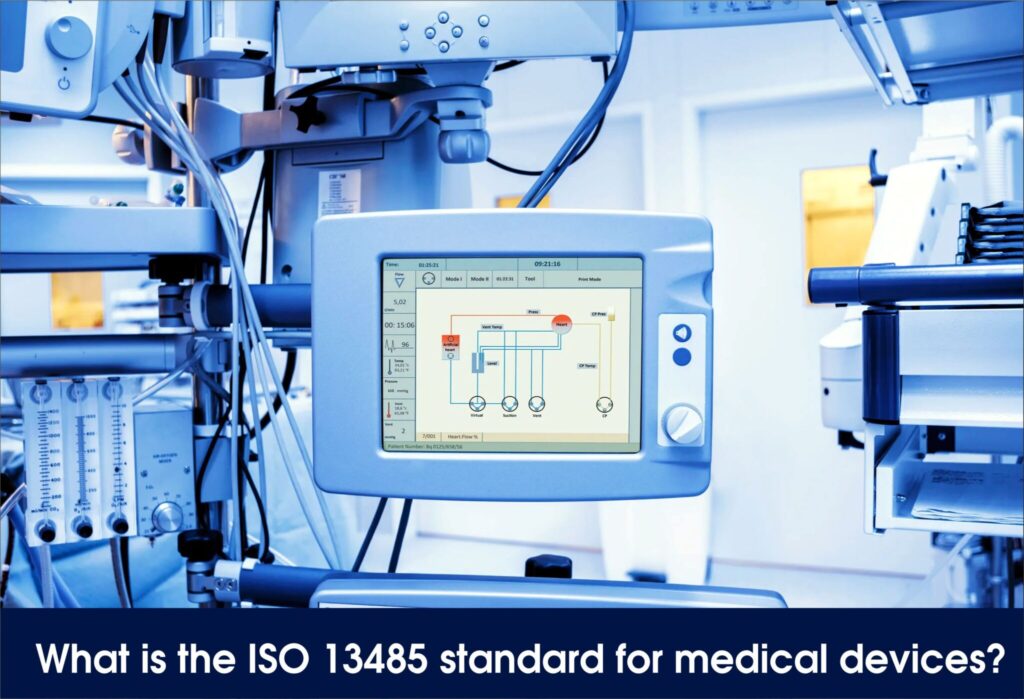
In the fast-paced and ever-evolving world of the medical device industry, ensuring the highest standards of quality is paramount. With patient safety at stake, it is crucial for companies operating in this sector to have robust quality management systems in place. This introduction will shed light on the importance of quality management in the medical device industry and how it contributes to regulatory compliance, adherence to ISO 13485 standards, and overall success in the healthcare industry. The medical device industry faces unique challenges due to its complex nature and stringent regulatory requirements. Manufacturers must navigate through a maze of regulations, guidelines, and standards to ensure that their products are safe, effective, and meet the needs of patients and healthcare professionals alike. This is where a well-implemented quality management system becomes indispensable. ISO 13485 serves as a globally recognized standard for quality management systems specific to the medical device industry. Compliance with this standard demonstrates an organization’s commitment to consistently meeting customer requirements while adhering to applicable regulatory requirements. It provides a framework that enables companies to establish efficient processes for product development, manufacturing, distribution, installation, and servicing. By implementing a robust quality management system based on ISO 13485 principles, organizations can streamline their operations while minimizing risks associated with product defects or non-compliance. Such systems facilitate effective documentation control, risk management practices, supplier evaluation processes, corrective action procedures, and internal audits – all essential elements for maintaining high-quality standards throughout the product lifecycle. Furthermore, investing in quality management not only ensures compliance but also enhances reputation within the healthcare industry. Healthcare providers rely on manufacturers who can consistently deliver safe and reliable devices that meet regulatory requirements. Demonstrating compliance with ISO 13485 or other relevant regulations builds trust among stakeholders by showcasing an organization’s commitment towards patient safety. What is ISO 13485 and the benefits of Implementing ISO 13485 for Medical Device Manufacturers and End-users? ISO 13485 is an internationally recognized quality management system standard specifically designed for the medical devices industry. It is based on the ISO 9001 process model approach and serves as a useful framework for manufacturers to handle the obligations under the Medical Device Directives. Medical device producers and end users can both benefit from implementing ISO 13485 For Manufacturers: ⮯ Medical device producers and end users can both benefit from implementing ISO 13485 For Manufacturers: Improved Product Quality: The overall quality of products is increased as a result of the process-based approach that ISO 13485 encourages for creating, implementing, and enhancing the performance of a quality management system. Regulatory Compliance: The standard aids organisations in proving they are in conformity with laws everywhere, which may open up more market opportunities. Risk Management: The requirements for risk management are incorporated into ISO 13485 at every stage of the product realisation process, offering a proactive method of detecting and reducing risks. Operational Efficiency: The standard promotes a methodical approach to managing processes, increasing operational consistency and efficiency. Enhanced Customer Satisfaction: Manufacturers may increase customer satisfaction and establish long-lasting connections by providing high-quality products and satisfying client requests. Competitive Advantage: As it shows a dedication to quality, having ISO 13485 certification might give an advantage over rivals who lack it. Benefits from implementing ISO 13485 For End-Users: Assured Product Safety: The emphasis on risk management in ISO 13485 makes sure that patient safety is put first when designing and producing medical devices. Reliable Performance: End users may trust the dependability of ISO 13485-certified goods since the standard places a strong emphasis on consistent performance. Increased Trust: Trust in the product and the producer may both rise when consumers are aware that the maker upholds an internationally acknowledged quality standard. Product Traceability: Record-keeping and traceability are required by ISO 13485, which might be important in the event that a medical device has problems or is recalled. Conclusion ✅ In Conclusion: The Significance of ISO 13485 in Ensuring Quality and Safety in the Medical Device Industry In conclusion, ISO 13485 plays a crucial role in ensuring quality and safety in the medical device industry. By raising standards and promoting a culture of continuous improvement, this international standard helps companies in the healthcare sector deliver products that meet regulatory requirements and exceed customer expectations. Adherence to ISO 13485 not only demonstrates a commitment to quality management but also instills confidence in stakeholders such as healthcare professionals, patients, and regulatory bodies. It provides a framework for organizations to establish robust processes, implement risk management strategies, and maintain effective documentation systems. Through regular audits and assessments, companies can identify areas for improvement and take proactive measures to enhance their operations. This constant drive for excellence contributes to the overall growth of the organization while ensuring the safety of medical devices used by millions of people worldwide. In an industry where precision, reliability, and patient well-being are paramount, ISO 13485 serves as a guiding force that drives organizations towards best practices. By adhering to this standard, companies can navigate complex regulatory landscapes with ease while maintaining their focus on delivering high-quality products that save lives and improve patient outcomes. In summary, ISO 13485 is not just a certification; it is an essential tool for achieving excellence in the medical device industry. Its significance lies in its ability to raise standards, foster continuous improvement through adherence to quality management systems, and ultimately ensure the highest levels of quality and safety in healthcare. Enjoy Reading – How Does ISO 13485 Certification Help Medical Device Manufacturers Know about ISO 13485:2016 Certification