
Accredited ISO certification your buyers and tender authorities accept
SIS Certifications ranks among the world's top-rated certification bodies: accredited ISO audits, product certification and professional training. We certify in 50+ countries and open the markets industry leaders sell into. Rigorous ethics, total transparency — we do not sell, we certify.


Browse by Service
Three ways SIS works with you: certify the management system, train the people who run it, or secure and attest the IT estate.
25 auditable management system standards, from ISO 9001 to ISO 56001 - certified on the three-year cycle.
Open certifications →🛡️Cyber Security Solutions9 IT services and standards - ISO/IEC 27001 and SOC 2 to VAPT and data-protection compliance.
Open cyber security →⚖️Product, Regulatory & Compliance Audit11 product, regulatory and audit routes - CE Marking, GMP, BIS Registration, lab accreditation and compliance audits.
Open product & regulatory →🎓TrainingLead Auditor, Lead Implementer and Internal Auditor courses - for one standard, or integrated across two or more.
Open training →Our Global Presence
Headquartered at Vipul Business Park, Gurgaon (India), with offices and representation across every region we certify in - 50+ countries served, 15,000+ clients certified, and certificates verifiable online wherever they are presented.
The full relevance matrix
Every certification in the SIS portfolio, against every industry it applies to.
Defence Industry | Food & Food Products | Hospitality Industry | Transport & Logistics | Medical Devices | Public Sector | Pharmaceutical Industry | Solar Industry | Telecommunication Industry | Construction Industry | Chemical Industry | Electricals & Electronics Industry | Education Sector | Energy Industry | Information Technology Industry | Textile Industry | Automotive Industry | Banking & Finance | Hotel, Restaurant & Leisure | Railways | Import & Export Industry | Manufacturing | Oil & Gas Industry | Tobacco Industry | Tourism | |
|---|---|---|---|---|---|---|---|---|---|---|---|---|---|---|---|---|---|---|---|---|---|---|---|---|---|
| ISO 9001 | |||||||||||||||||||||||||
| ISO 14001 | |||||||||||||||||||||||||
| ISO 45001 | |||||||||||||||||||||||||
| ISO 41001 | |||||||||||||||||||||||||
| ISO 22301 | |||||||||||||||||||||||||
| ISO 21001 | |||||||||||||||||||||||||
| ISO/IEC 20000-1 | |||||||||||||||||||||||||
| ISO/IEC 42001 | |||||||||||||||||||||||||
| ISO 37001 | |||||||||||||||||||||||||
| ISO 37301 | |||||||||||||||||||||||||
| ISO/IEC 27001 | |||||||||||||||||||||||||
| ISO/IEC 27701 | |||||||||||||||||||||||||
| ISO 22000 | |||||||||||||||||||||||||
| HACCP | |||||||||||||||||||||||||
| FSSC 22000 | |||||||||||||||||||||||||
| ISO 13485 | |||||||||||||||||||||||||
| ISO 50001 | |||||||||||||||||||||||||
| ISO 55001 | |||||||||||||||||||||||||
| ISO 28000 | |||||||||||||||||||||||||
| ISO 39001 | |||||||||||||||||||||||||
| ISO 31000 | |||||||||||||||||||||||||
| ISO 14064 | |||||||||||||||||||||||||
| ISO 20121 | |||||||||||||||||||||||||
| ISO 21401 | |||||||||||||||||||||||||
| ISO 56001 | |||||||||||||||||||||||||
| DPDP Act | |||||||||||||||||||||||||
| GDPR | |||||||||||||||||||||||||
| SOC 2 Type 2 | |||||||||||||||||||||||||
| Cyber Security | |||||||||||||||||||||||||
| VAPT | |||||||||||||||||||||||||
| CMMI | |||||||||||||||||||||||||
| PCI DSS | |||||||||||||||||||||||||
| HIPAA | |||||||||||||||||||||||||
| HITRUST | |||||||||||||||||||||||||
| ISO/IEC 17025 | |||||||||||||||||||||||||
| ISO 14971 | |||||||||||||||||||||||||
| GMP | |||||||||||||||||||||||||
| CE Marking | |||||||||||||||||||||||||
| CDSCO Compliance | |||||||||||||||||||||||||
| Fire Safety Audit | |||||||||||||||||||||||||
| Energy Audit | |||||||||||||||||||||||||
| Cyber Security Audit | |||||||||||||||||||||||||
| ITIL Audit | |||||||||||||||||||||||||
| SEBI Compliance Audit | |||||||||||||||||||||||||
| BIS Registration |
How the portfolio is organised
Three families, each answering a different question a buyer or regulator asks you.
Certified against an ISO or scheme standard by an accredited body, with a three-year cycle and annual surveillance. This is what most tenders and vendor questionnaires mean when they ask for a certificate.
IT & Cyber · 9Attestations, assessments, appraisals and data-protection compliance work. Validity, evidence and who signs the report differ item by item, so each page states exactly what you receive.
Product, Regulatory & Compliance Audit · 11Conformity assessment, laboratory accreditation and market-access work tied to a product rather than an organisation. Usually the gate between a finished product and a market it cannot otherwise enter.
Start where your problem is
The six industries with the widest certification exposure, and the six certifications asked for across the most sectors.
Industries with the most applicable certifications
Certifications asked for across the most industries
Our Publications
News, blogs and newsletters from the SIS desk - and the current standard transition guidance, free to download.
Current transition updates
News · Blogs · Articles · Newsletters
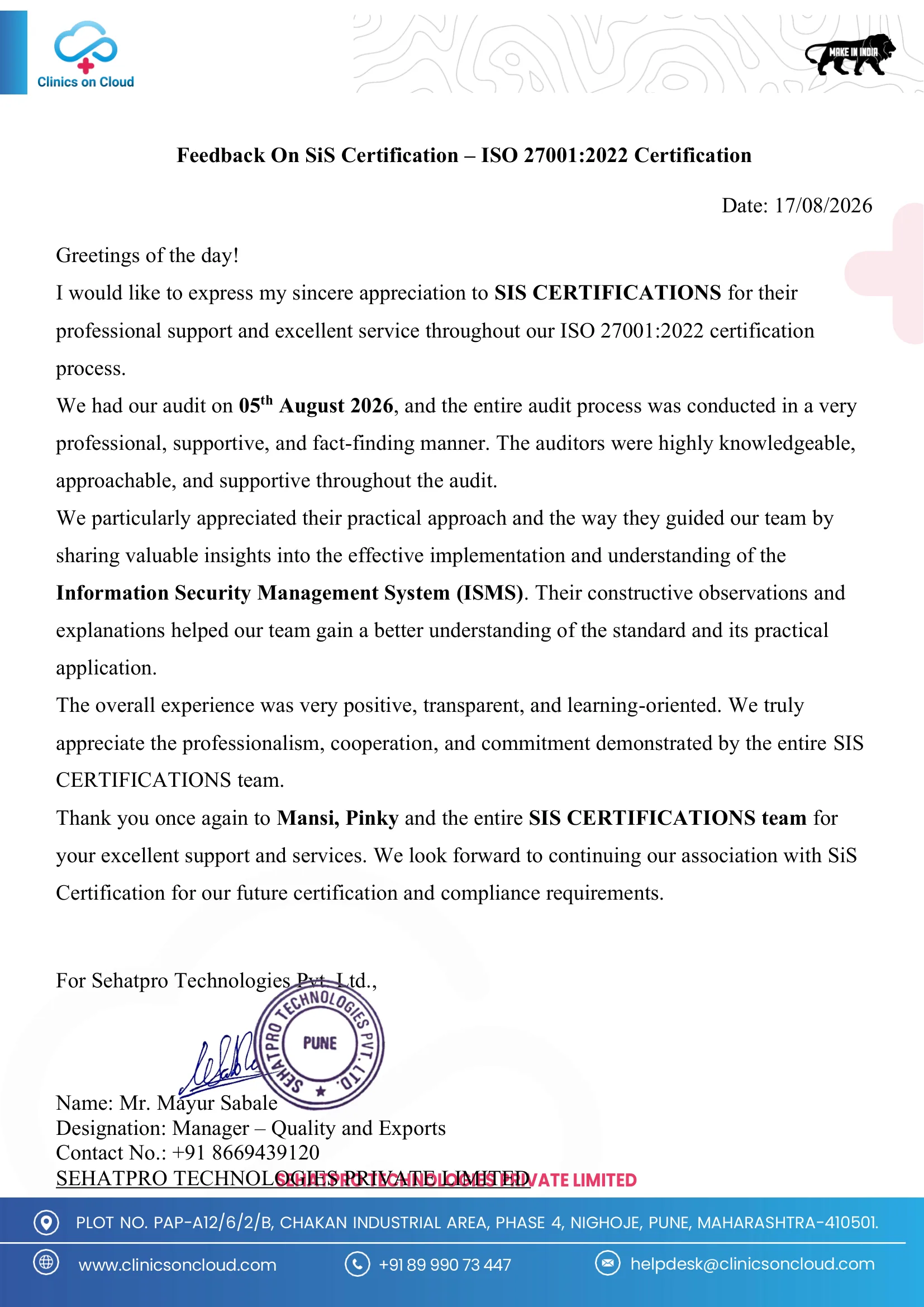
Bharat Rasayan Limited has formally recognised SIS Certifications Pvt. Ltd. for its professional approach, technical competence, and commitment to impartiality during a recent GMP Surveillance Audit.
Sep 2026Bharat Certis Agriscience Strengthens Management Systems with ISO and GMP CertificationsBharat Certis Agriscience Limited, a group company of Mitsui & Co., Ltd., Japan, has successfully completed the certification process for ISO 9001:2015, ISO 14001:2015, ISO 45001:2018 and GMP (Good Manufacturing Practice) with SIS Certifications Pvt. Ltd.
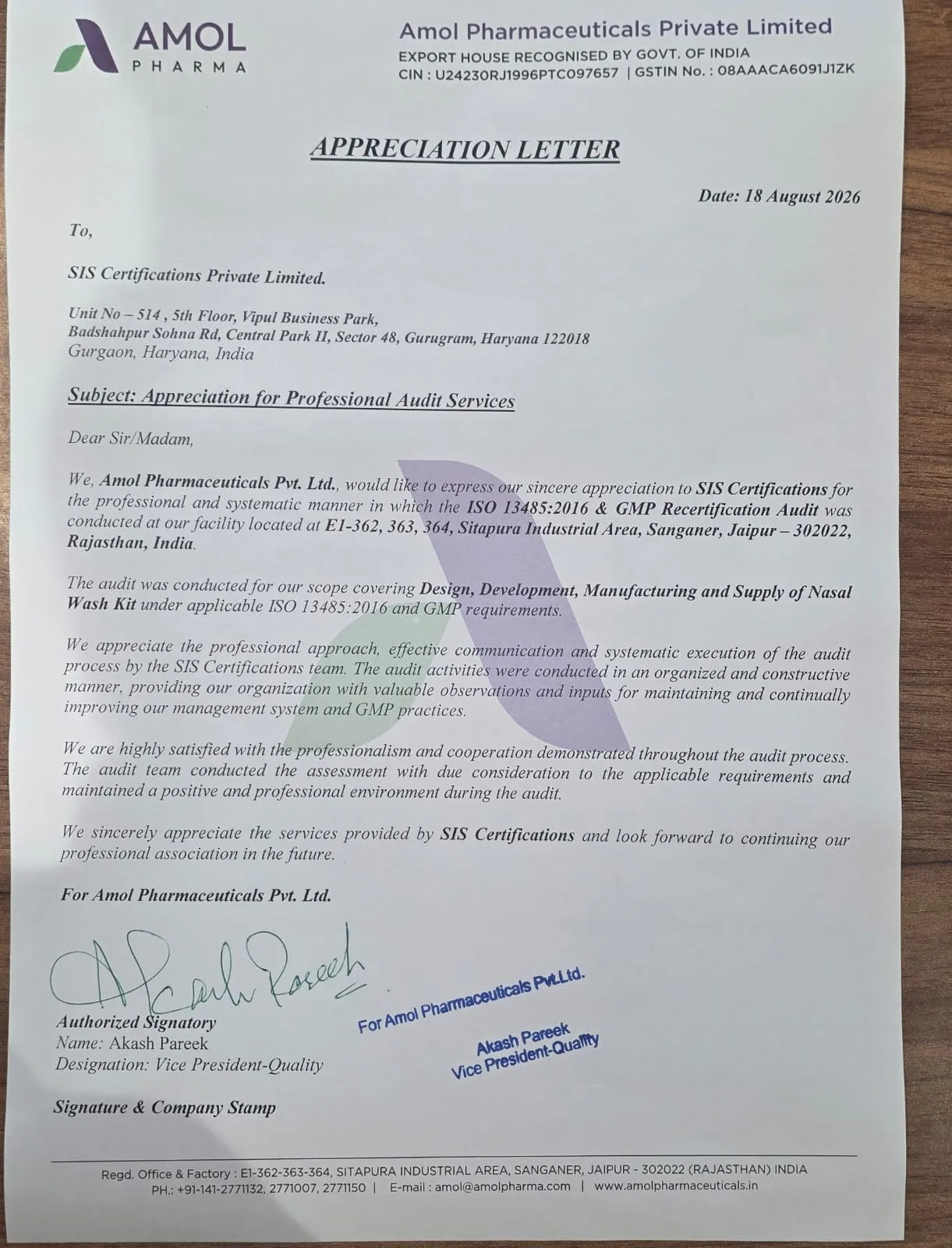
Sep 2026Amol Pharmaceuticals Successfully Completes ISO 13485:2016 & GMP Recertification AuditAmol Pharmaceuticals Pvt. Ltd. has successfully completed its ISO 13485:2016 and GMP Recertification Audit, conducted by SIS Certifications at the company’s facility in the Sitapura Industrial Area, Sanganer, Jaipur.
Sep 2026PT Aquamarine Divindo Inspection Strengthens Quality, Safety, Environmental and Ethical Management with Multiple ISO CertificationsPT Aquamarine Divindo Inspection (AMDI), an established marine services and construction organisation in Indonesia, has successfully completed its Stage 1 and Stage 2 certification audits, achieving certification against four internationally recognised ISO management system standards through SIS Certifications Pvt. Ltd.
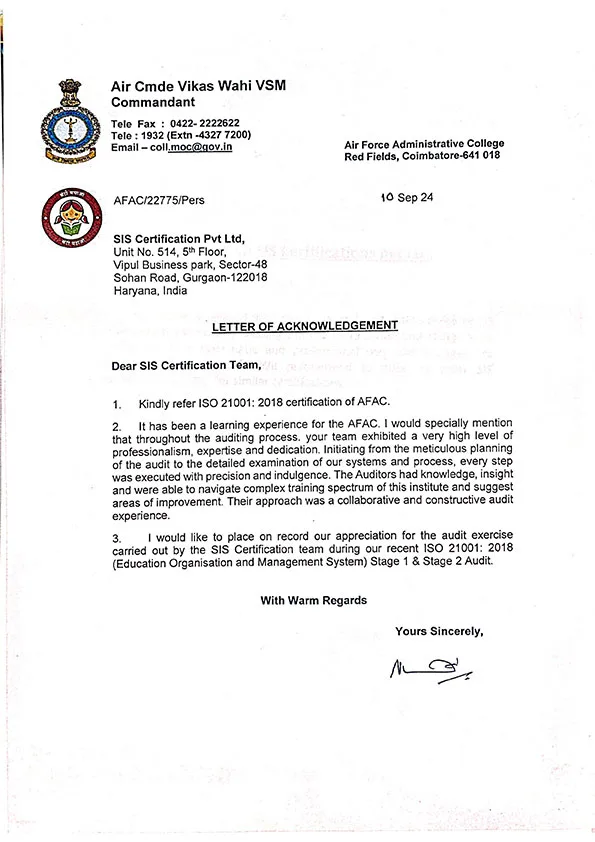
Sep 2026Air Force Administrative College Recognised for ISO 21001:2018 Certification JourneyThe Air Force Administrative College (AFAC), Red Fields, Coimbatore, successfully completed its ISO 21001:2018 certification assessment with SIS Certifications, covering both Stage 1 and Stage 2 audits.
Sep 2026Aresko Life Sciences Successfully Completes Integrated Management System Re-Certification AuditAresko Life Sciences Completes Re-Certification Audit
Jun 2026F7 Digital Networks Pty Ltd Continues Quality Excellence with ISO 27001 Re-CertificationReaffirming its commitment to information security, F7 Digital Networks Pty Ltd has successfully achieved ISO/IEC 27001 recertification. By achieving the re-certification of ISO 27001, F7 Digital Networks Pty Ltd has successfully demonstrated the company’s continued commitment to safeguarding the information and data of the organisation. The adoption of ISO 27001 Information Security Management System (ISMS) has ensured organisation-wide information and data security, including internal and external data. Re-certification has ensured that all the 93 controls of ISO 27001 have been strictly followed.
Jun 2026Patil Rail Infrastructure Pvt. Ltd. Completes ISO 9001:2015 Surveillance AuditReaffirming its dedication to quality management, Patil Rail Infrastructure Pvt. Ltd. has maintained its ISO 9001:2015 certification, following a successful surveillance audit. This ensures that the company fulfils the requirements of a quality management system and underscores its commitment to delivering quality-driven services.
Jun 2026Delco Switchgears Private Limited Maintains Quality with ISO 9001:2015 CertificationContinuing its journey towards quality excellence, Delco Switchgears Private Limited has successfully maintained its ISO 9001:2015 certification, following an IAS-accredited surveillance audit. This demonstrates their sustained efforts towards maintaining high standards of quality in their products and services.
Jun 2026Kaysons Electricals Pvt. Ltd. Upholds Environmental Sustainability with ISO 14001Continuing its environmental sustainability stewardship, Kaysons Electricals Pvt. Ltd. successfully completed its IAS-accredited surveillance certification. This achievement not only shows the company’s commitment towards the reduction of carbon footprints but also an alignment with environmentally sustainable practices such as waste reduction and safe waste disposal.
Sep 2026Bharat Rasayan Limited Recognises SIS Certifications for Professional GMP Surveillance AuditBharat Rasayan Limited has formally recognised SIS Certifications Pvt. Ltd. for its professional approach, technical competence, and commitment to impartiality during a recent GMP Surveillance Audit.
Sep 2026Bharat Certis Agriscience Strengthens Management Systems with ISO and GMP CertificationsBharat Certis Agriscience Limited, a group company of Mitsui & Co., Ltd., Japan, has successfully completed the certification process for ISO 9001:2015, ISO 14001:2015, ISO 45001:2018 and GMP (Good Manufacturing Practice) with SIS Certifications Pvt. Ltd.
Sep 2026Amol Pharmaceuticals Successfully Completes ISO 13485:2016 & GMP Recertification AuditAmol Pharmaceuticals Pvt. Ltd. has successfully completed its ISO 13485:2016 and GMP Recertification Audit, conducted by SIS Certifications at the company’s facility in the Sitapura Industrial Area, Sanganer, Jaipur.
Sep 2026PT Aquamarine Divindo Inspection Strengthens Quality, Safety, Environmental and Ethical Management with Multiple ISO CertificationsPT Aquamarine Divindo Inspection (AMDI), an established marine services and construction organisation in Indonesia, has successfully completed its Stage 1 and Stage 2 certification audits, achieving certification against four internationally recognised ISO management system standards through SIS Certifications Pvt. Ltd.
Sep 2026Air Force Administrative College Recognised for ISO 21001:2018 Certification JourneyThe Air Force Administrative College (AFAC), Red Fields, Coimbatore, successfully completed its ISO 21001:2018 certification assessment with SIS Certifications, covering both Stage 1 and Stage 2 audits.
Sep 2026Aresko Life Sciences Successfully Completes Integrated Management System Re-Certification AuditAresko Life Sciences Completes Re-Certification Audit
Jun 2026F7 Digital Networks Pty Ltd Continues Quality Excellence with ISO 27001 Re-CertificationReaffirming its commitment to information security, F7 Digital Networks Pty Ltd has successfully achieved ISO/IEC 27001 recertification. By achieving the re-certification of ISO 27001, F7 Digital Networks Pty Ltd has successfully demonstrated the company’s continued commitment to safeguarding the information and data of the organisation. The adoption of ISO 27001 Information Security Management System (ISMS) has ensured organisation-wide information and data security, including internal and external data. Re-certification has ensured that all the 93 controls of ISO 27001 have been strictly followed.
Jun 2026Patil Rail Infrastructure Pvt. Ltd. Completes ISO 9001:2015 Surveillance AuditReaffirming its dedication to quality management, Patil Rail Infrastructure Pvt. Ltd. has maintained its ISO 9001:2015 certification, following a successful surveillance audit. This ensures that the company fulfils the requirements of a quality management system and underscores its commitment to delivering quality-driven services.
Jun 2026Delco Switchgears Private Limited Maintains Quality with ISO 9001:2015 CertificationContinuing its journey towards quality excellence, Delco Switchgears Private Limited has successfully maintained its ISO 9001:2015 certification, following an IAS-accredited surveillance audit. This demonstrates their sustained efforts towards maintaining high standards of quality in their products and services.
Jun 2026Kaysons Electricals Pvt. Ltd. Upholds Environmental Sustainability with ISO 14001Continuing its environmental sustainability stewardship, Kaysons Electricals Pvt. Ltd. successfully completed its IAS-accredited surveillance certification. This achievement not only shows the company’s commitment towards the reduction of carbon footprints but also an alignment with environmentally sustainable practices such as waste reduction and safe waste disposal.
A practical, step-by-step guide to getting ISO 22000 certified: what auditors check, what documents you need, and the mistakes that slow food businesses down.
ISO 21001 Certification: Strengthening Excellence in Military Training and EducationIn specialised training and education environments, excellence extends beyond the delivery of lessons or the conduct of training programmes. Effective educational organisations require structured processes, competent trainers, appropriate learning systems, effective evaluation mechanisms, and a consistent focus on learner needs.
Aresko Life Sciences Strengthens Quality, Environmental & OH&S Performance Through Re-CertificationIn the pharmaceutical and life sciences sector, quality, environmental responsibility and occupational health & safety are critical to operational excellence and long-term resilience.
ISO 13485:2016 & GMP Recertification Audit: A Practical Guide to Maintaining Quality, Compliance and Manufacturing ExcellenceIn healthcare and medical-device-related manufacturing, quality cannot be treated as a one-time achievement. It must be consistently maintained, monitored, demonstrated, and improved.
Navigating High-Risk Marine Operations: AMDI's Integrated Approach to Quality, Safety, Environment, and IntegrityIn offshore engineering, subsea inspection, and marine construction, operational failure can have serious consequences — from environmental damage and equipment failure to injury, regulatory action, financial loss, and reputational harm.
Bharat Rasayan Limited Recognises SIS Certifications for Professional GMP Surveillance AuditBharat Rasayan Limited has formally recognised SIS Certifications Pvt. Ltd. for its professional approach, technical competence, and commitment to impartiali...
GMP Surveillance Audit: What It Covers and Why It MattersIn the pharmaceutical, chemical, food, and other regulated manufacturing sectors, maintaining consistent quality is not a one-time responsibility. Organisati...
Beyond the Privacy Policy: A Practical Roadmap to DPDP Act Compliance in IndiaBeyond the Privacy Policy: A Practical Roadmap to DPDP Act Compliance in India Your organisation may well already have a privacy policy, consent check...
Essential Skills You'll Gain from ISO 9001, 14001 & 45001 IMS Lead Auditor TrainingIn today’s competitive business world, organizations are constantly looking for ways to improve their quality, environmental performance, and workplace...
Why Internal Auditor Training Is Critical for ISO 9001, 14001, and 45001 ComplianceManaging quality, environmental impact, and workplace safety isn’t just about having the right policies on paper. For organizations pursuing ISO 9001,...
How to Get ISO 22000 Certification: A Step-by-Step Guide for Food BusinessesA practical, step-by-step guide to getting ISO 22000 certified: what auditors check, what documents you need, and the mistakes that slow food businesses down.
ISO 21001 Certification: Strengthening Excellence in Military Training and EducationIn specialised training and education environments, excellence extends beyond the delivery of lessons or the conduct of training programmes. Effective educational organisations require structured processes, competent trainers, appropriate learning systems, effective evaluation mechanisms, and a consistent focus on learner needs.
Aresko Life Sciences Strengthens Quality, Environmental & OH&S Performance Through Re-CertificationIn the pharmaceutical and life sciences sector, quality, environmental responsibility and occupational health & safety are critical to operational excellence and long-term resilience.
ISO 13485:2016 & GMP Recertification Audit: A Practical Guide to Maintaining Quality, Compliance and Manufacturing ExcellenceIn healthcare and medical-device-related manufacturing, quality cannot be treated as a one-time achievement. It must be consistently maintained, monitored, demonstrated, and improved.
Navigating High-Risk Marine Operations: AMDI's Integrated Approach to Quality, Safety, Environment, and IntegrityIn offshore engineering, subsea inspection, and marine construction, operational failure can have serious consequences — from environmental damage and equipment failure to injury, regulatory action, financial loss, and reputational harm.
Bharat Rasayan Limited Recognises SIS Certifications for Professional GMP Surveillance AuditBharat Rasayan Limited has formally recognised SIS Certifications Pvt. Ltd. for its professional approach, technical competence, and commitment to impartiali...
GMP Surveillance Audit: What It Covers and Why It MattersIn the pharmaceutical, chemical, food, and other regulated manufacturing sectors, maintaining consistent quality is not a one-time responsibility. Organisati...
Beyond the Privacy Policy: A Practical Roadmap to DPDP Act Compliance in IndiaBeyond the Privacy Policy: A Practical Roadmap to DPDP Act Compliance in India Your organisation may well already have a privacy policy, consent check...
Essential Skills You'll Gain from ISO 9001, 14001 & 45001 IMS Lead Auditor TrainingIn today’s competitive business world, organizations are constantly looking for ways to improve their quality, environmental performance, and workplace...
Why Internal Auditor Training Is Critical for ISO 9001, 14001, and 45001 ComplianceManaging quality, environmental impact, and workplace safety isn’t just about having the right policies on paper. For organizations pursuing ISO 9001,...
Monthly updates on SIS Certifications’ business activities, client milestones, and industry news.
January 2026SIS Newsletter — January 2026Monthly updates on SIS Certifications’ business activities, client milestones, and industry news.
February 2026SIS Newsletter — February 2026Monthly updates on SIS Certifications’ business activities, client milestones, and industry news.
June 2026SIS Newsletter — June 2026Monthly updates on SIS Certifications’ business activities, client milestones, and industry news.
April 2026SIS Newsletter — April 2026Monthly updates on SIS Certifications’ business activities, client milestones, and industry news.
May 2025SIS Newsletter — May 2025Monthly updates on SIS Certifications’ business activities, client milestones, and industry news.
March 2025SIS Newsletter — March 2025Monthly updates on SIS Certifications’ business activities, client milestones, and industry news.
February 2025SIS Newsletter — February 2025Monthly updates on SIS Certifications’ business activities, client milestones, and industry news.
October 2025SIS Newsletter — October 2025Monthly updates on SIS Certifications’ business activities, client milestones, and industry news.
November 2025SIS Newsletter — November 2025Monthly updates on SIS Certifications’ business activities, client milestones, and industry news.
March 2026SIS Newsletter — March 2026Monthly updates on SIS Certifications’ business activities, client milestones, and industry news.
January 2026SIS Newsletter — January 2026Monthly updates on SIS Certifications’ business activities, client milestones, and industry news.
February 2026SIS Newsletter — February 2026Monthly updates on SIS Certifications’ business activities, client milestones, and industry news.
June 2026SIS Newsletter — June 2026Monthly updates on SIS Certifications’ business activities, client milestones, and industry news.
April 2026SIS Newsletter — April 2026Monthly updates on SIS Certifications’ business activities, client milestones, and industry news.
May 2025SIS Newsletter — May 2025Monthly updates on SIS Certifications’ business activities, client milestones, and industry news.
March 2025SIS Newsletter — March 2025Monthly updates on SIS Certifications’ business activities, client milestones, and industry news.
February 2025SIS Newsletter — February 2025Monthly updates on SIS Certifications’ business activities, client milestones, and industry news.
October 2025SIS Newsletter — October 2025Monthly updates on SIS Certifications’ business activities, client milestones, and industry news.
November 2025SIS Newsletter — November 2025Monthly updates on SIS Certifications’ business activities, client milestones, and industry news.
Not Sure Which Certification You Need?
Three questions. The selector reads the same industry-to-standard mapping this whole site is built on, then shortlists what applies to you.
Which sector best describes your organisation?
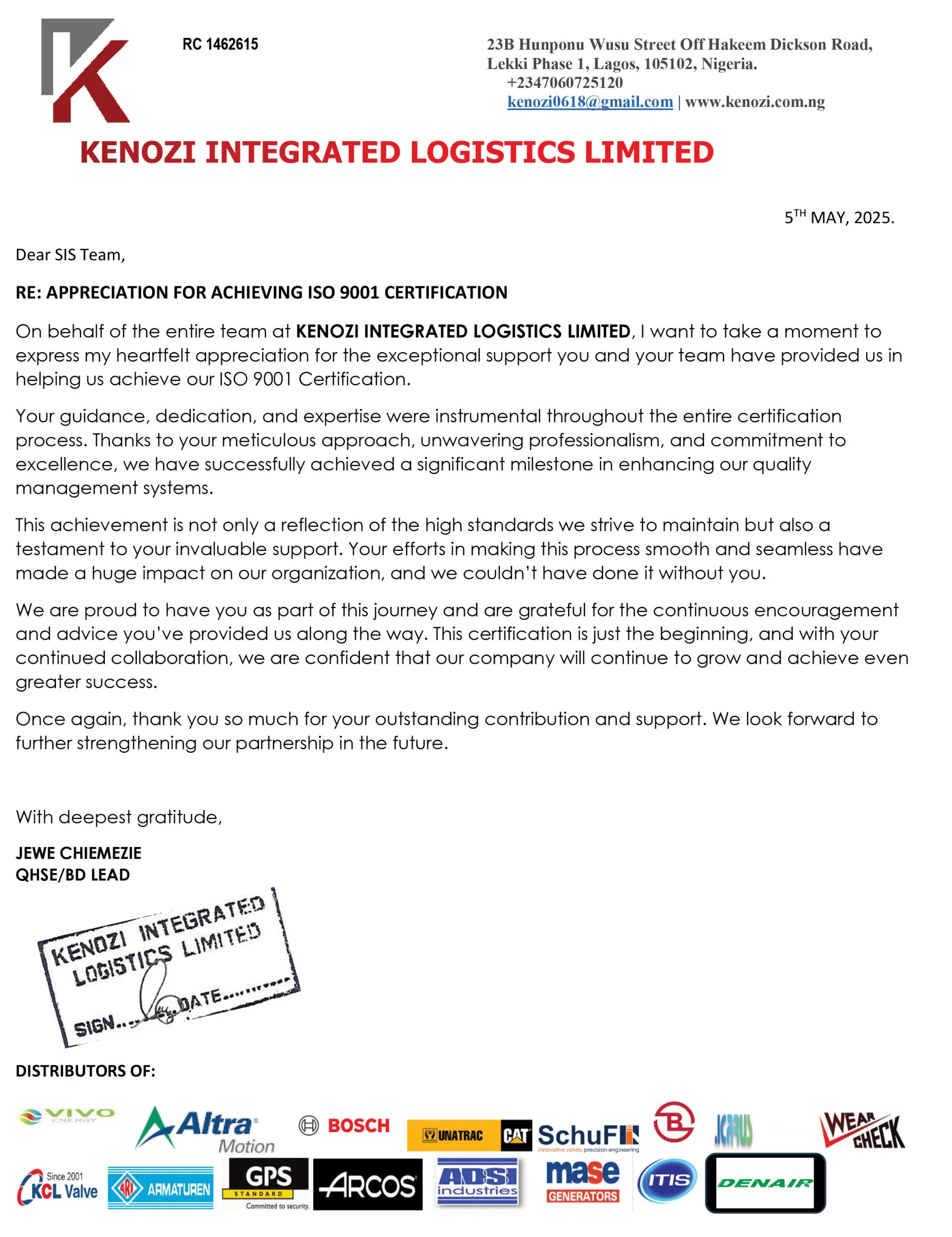
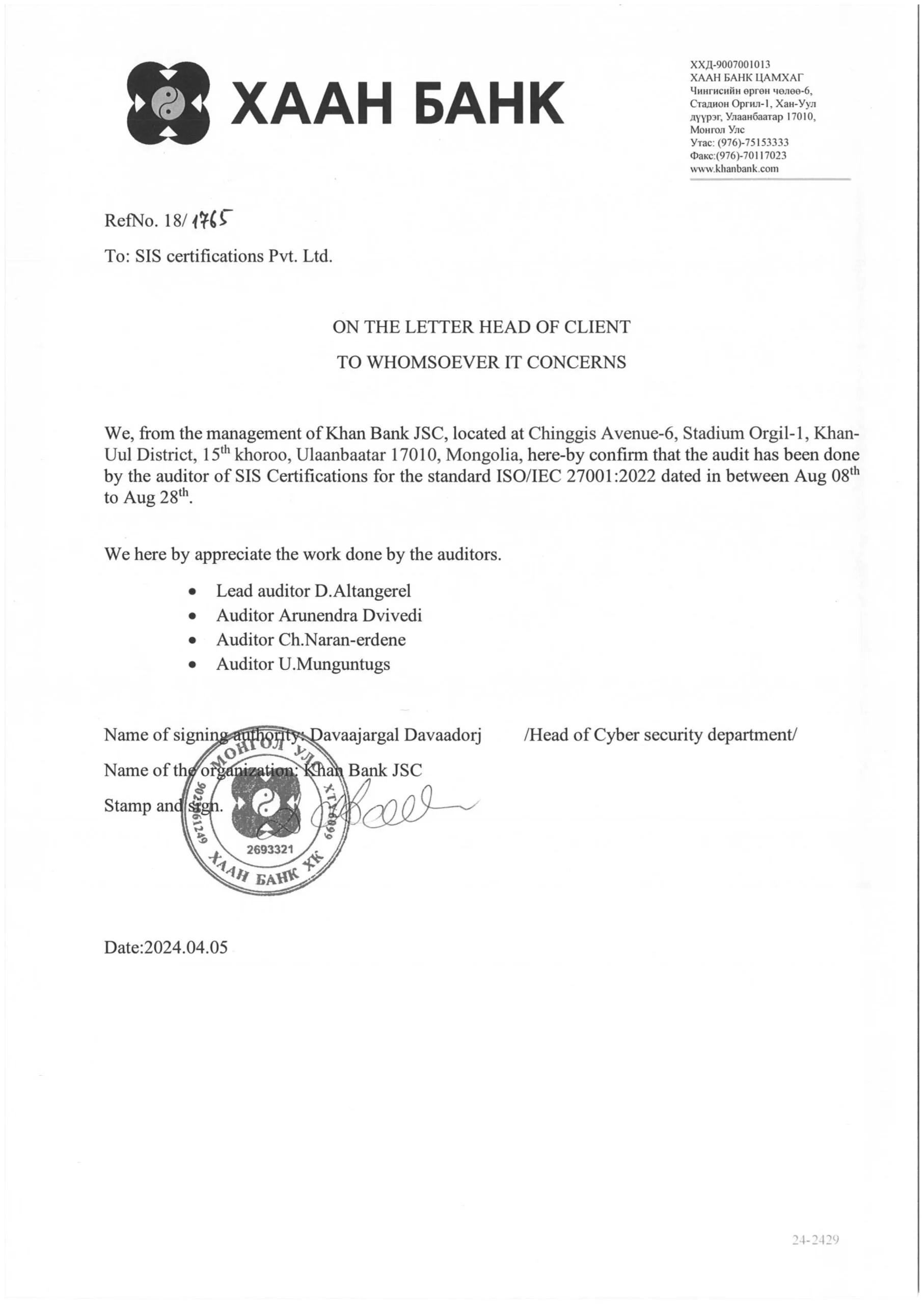
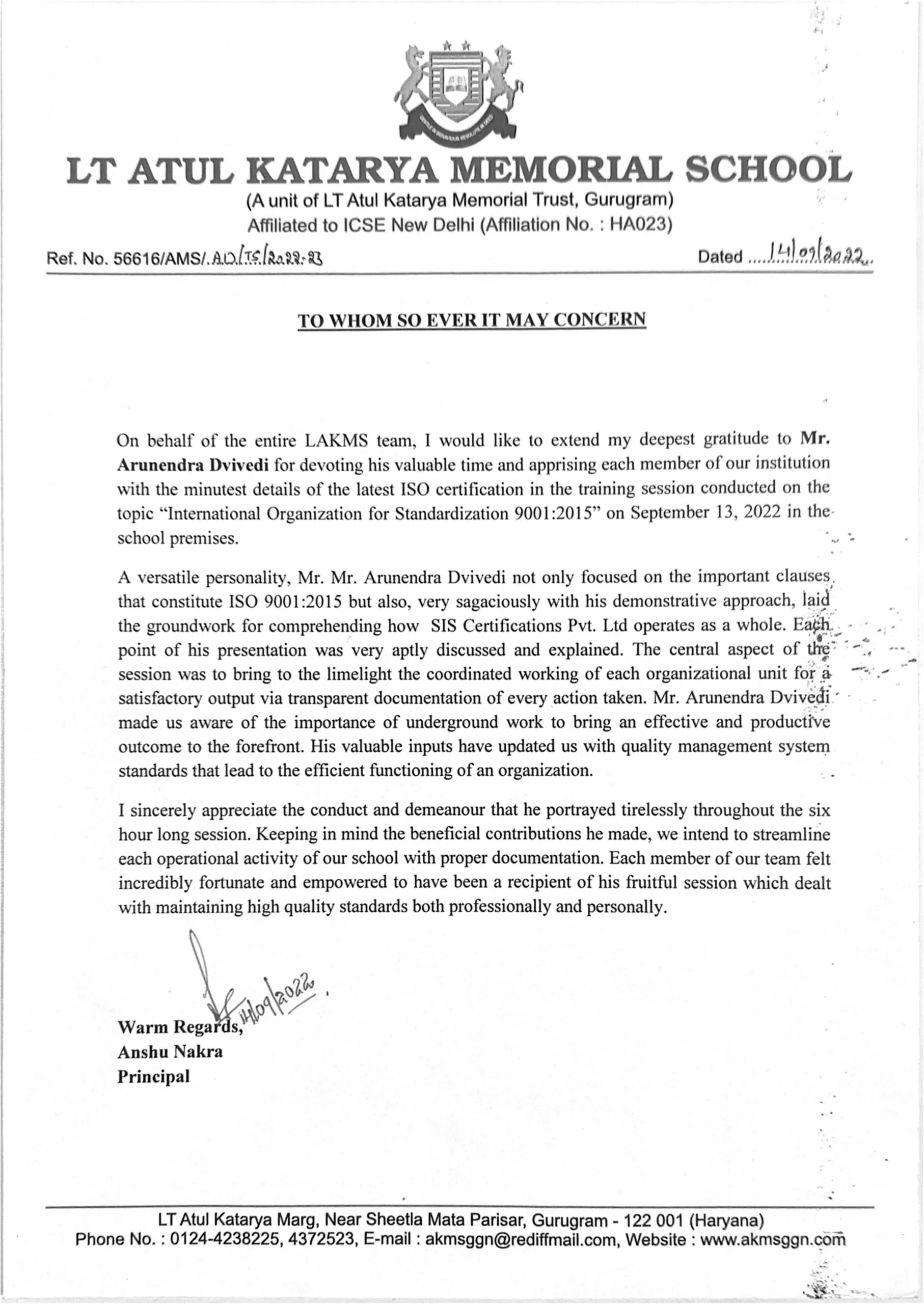
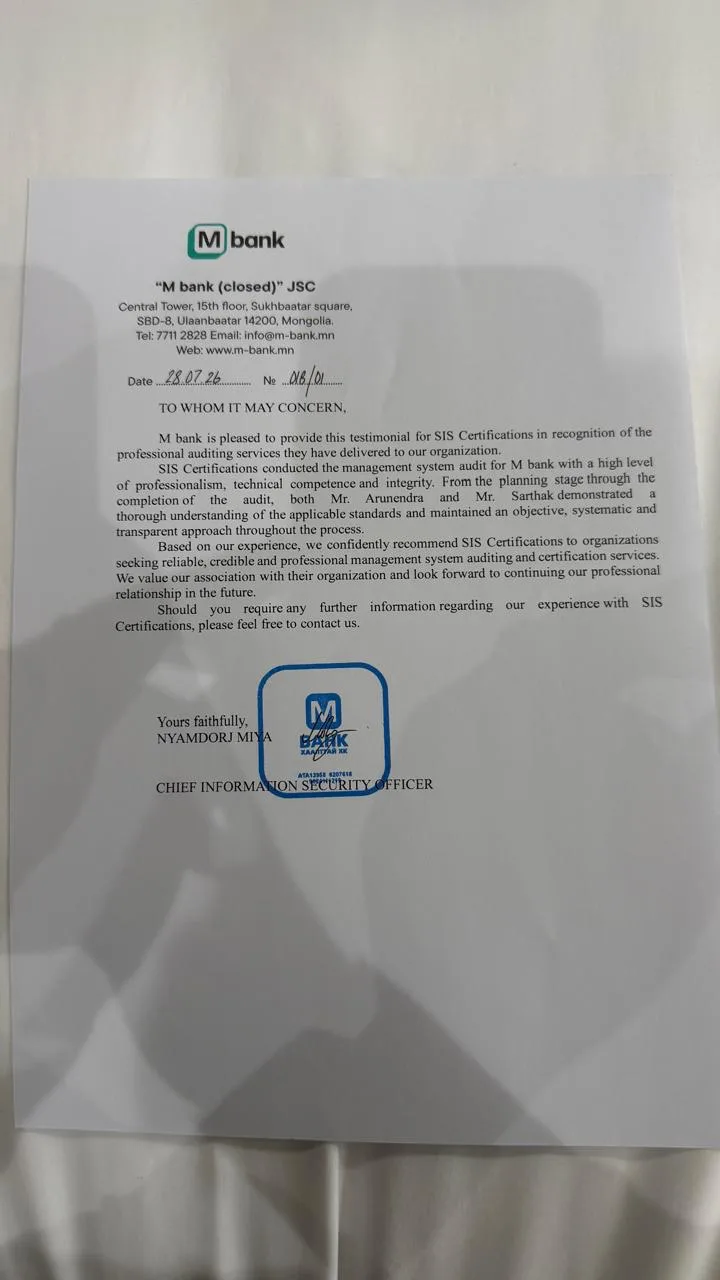
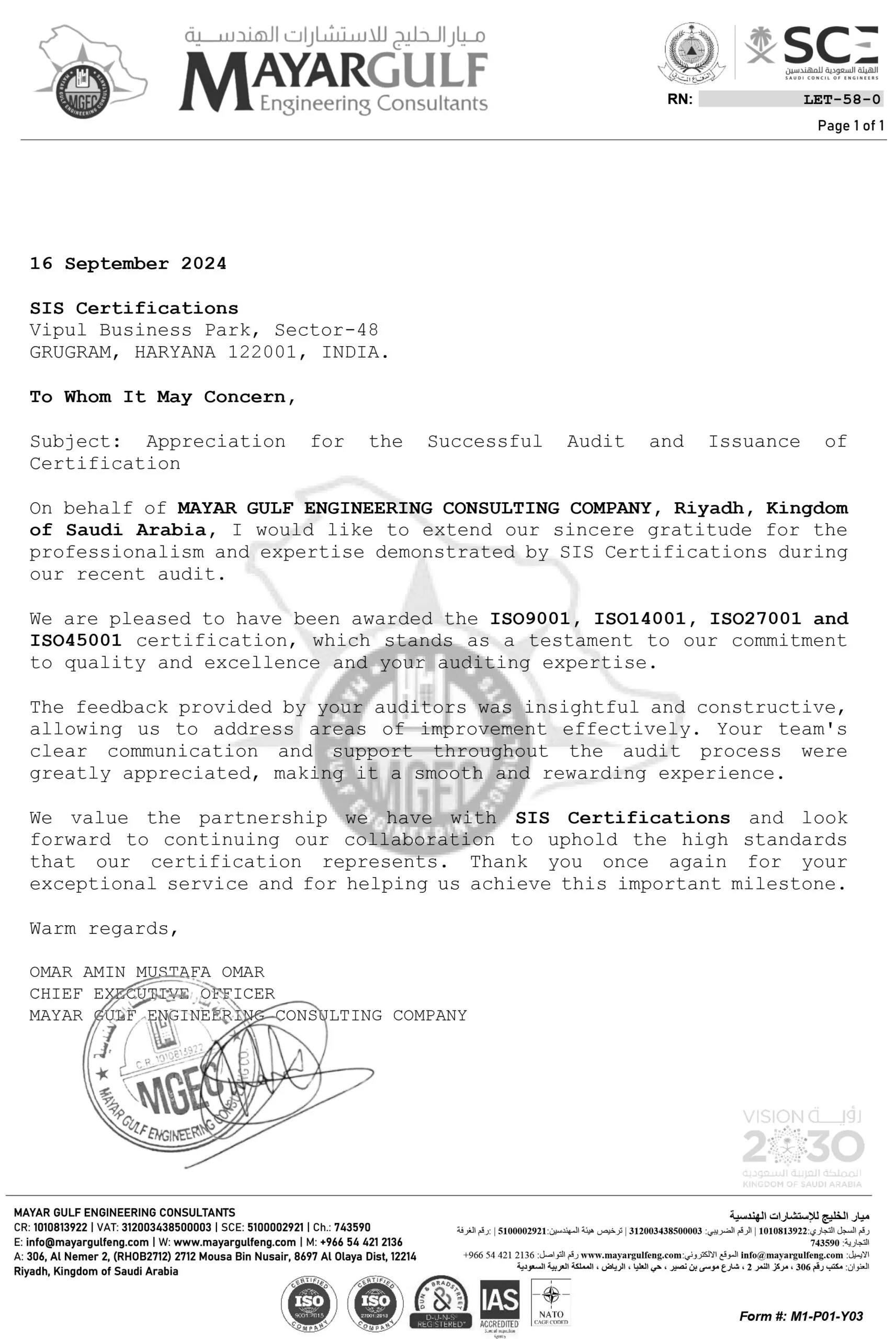
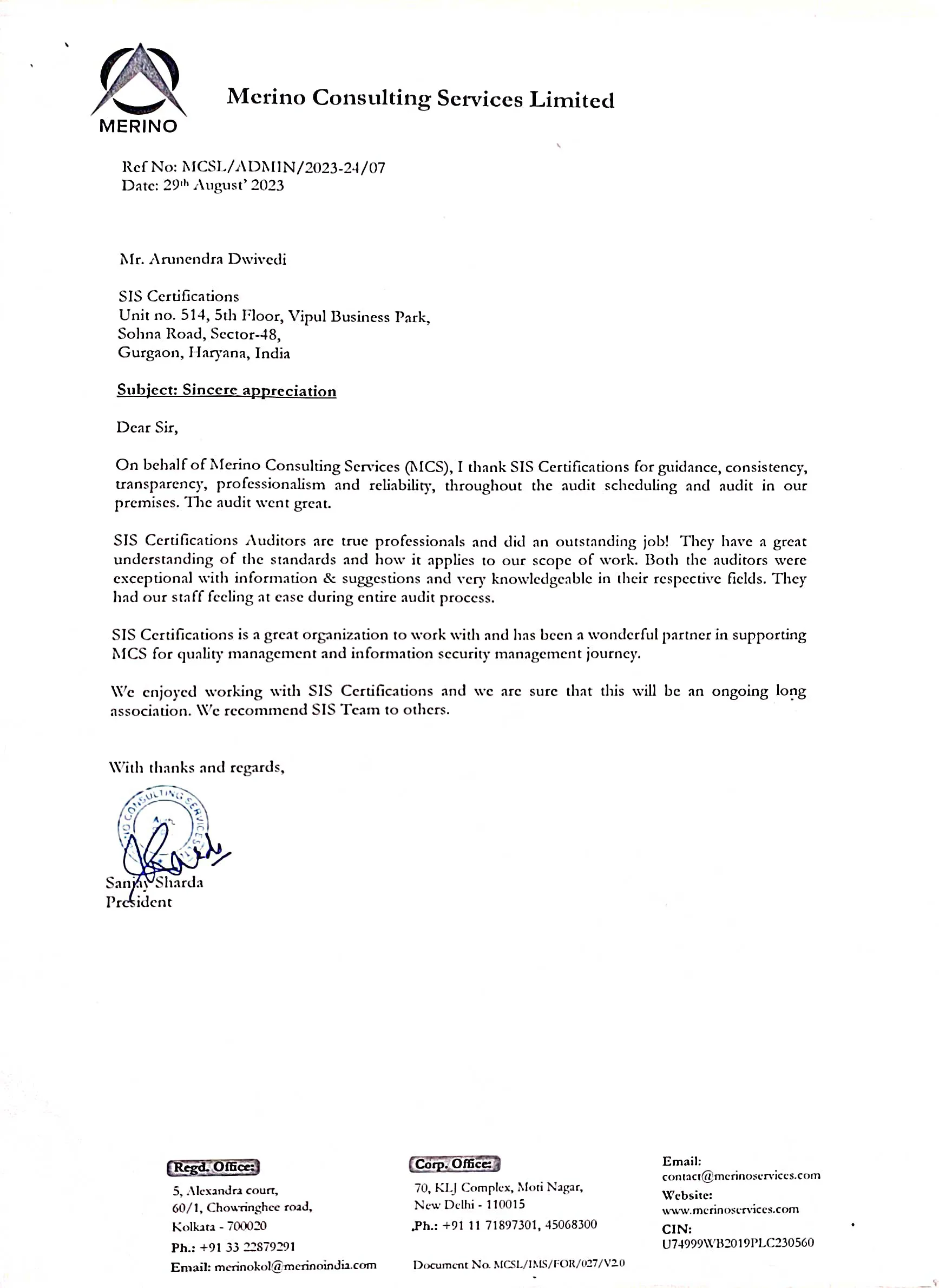
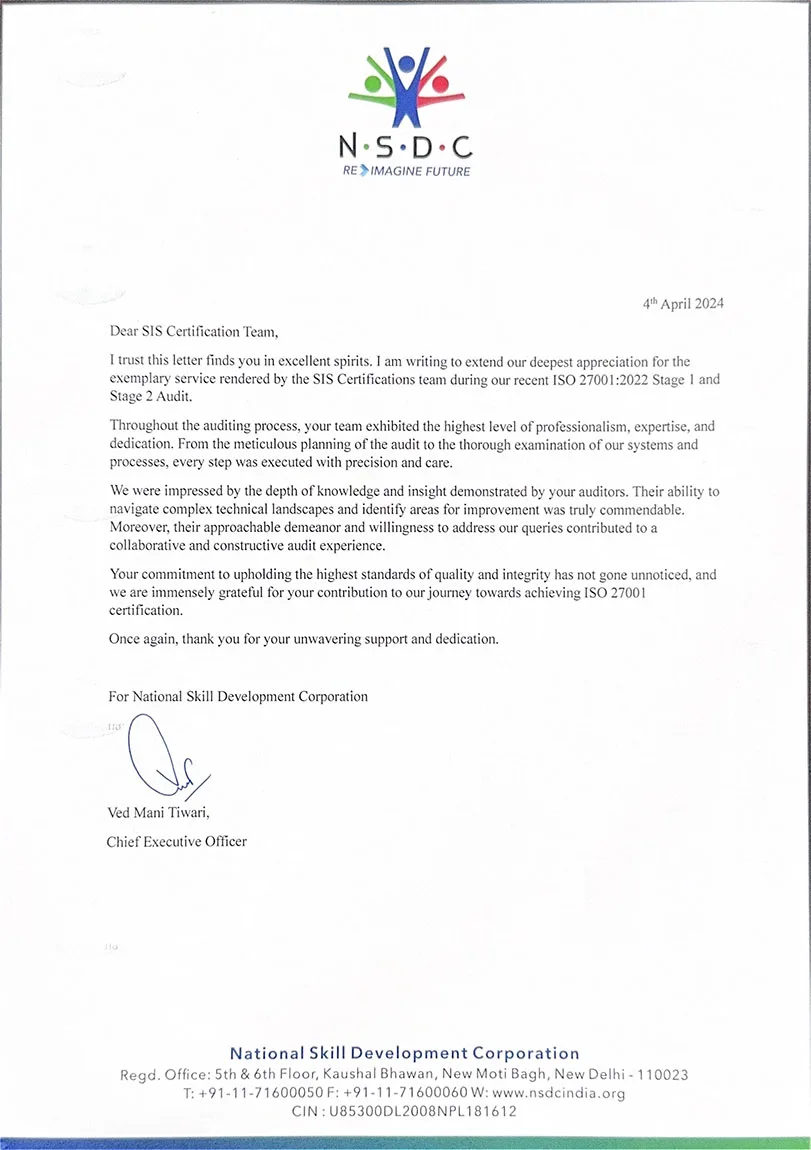
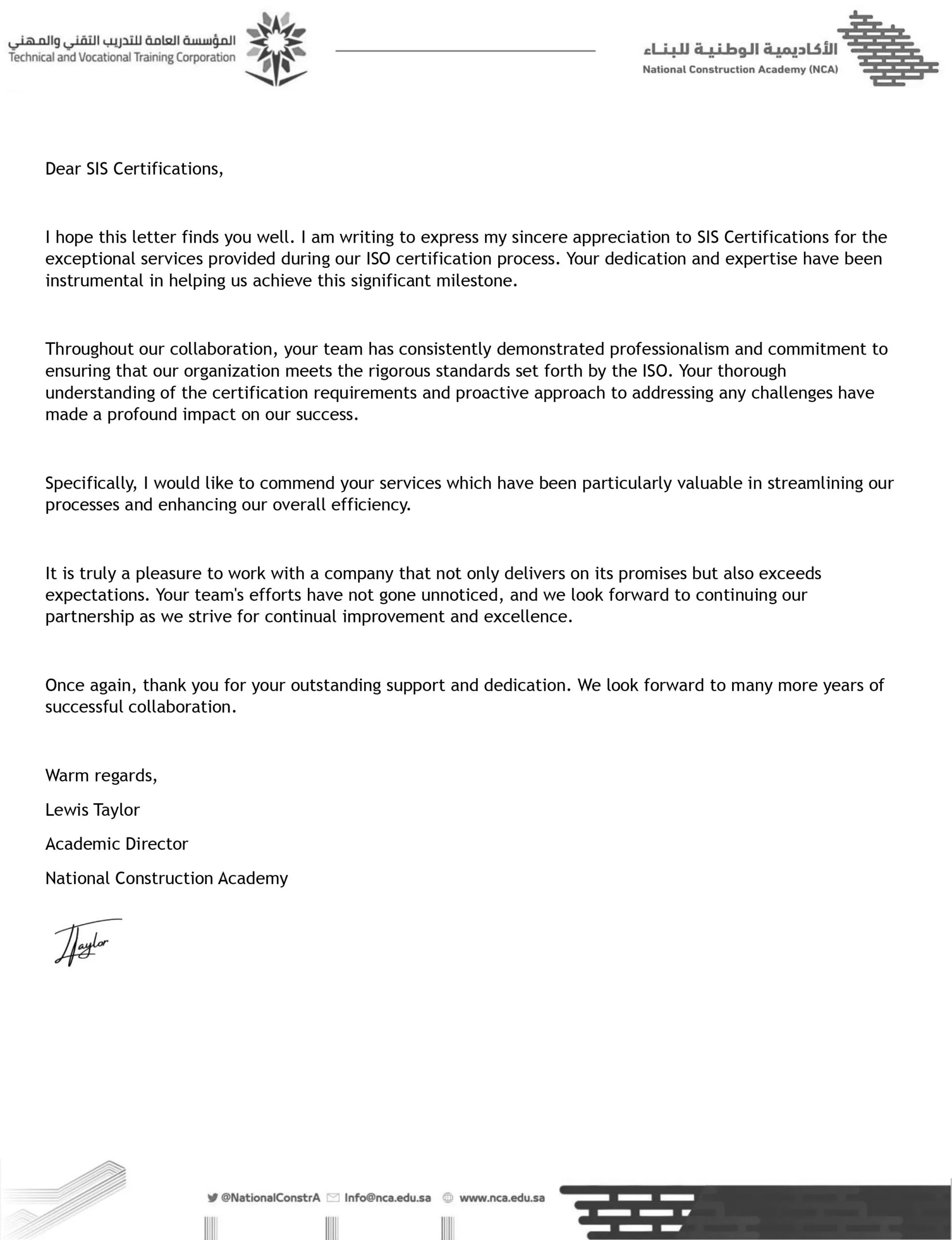
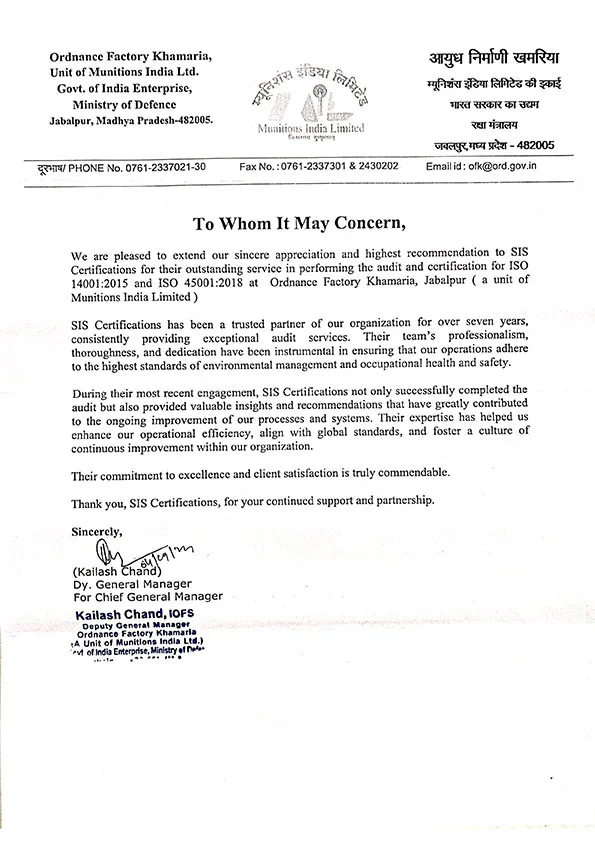
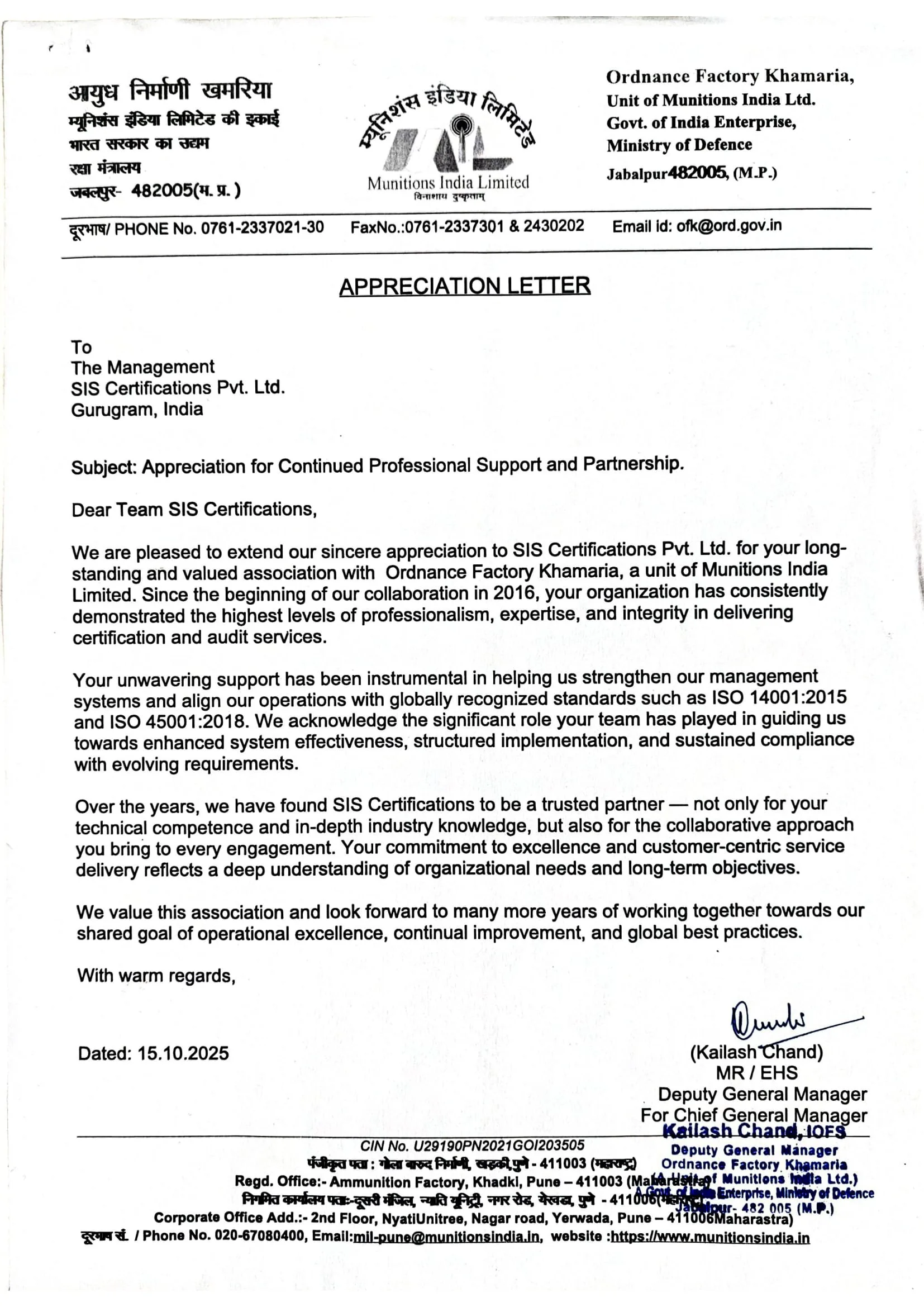
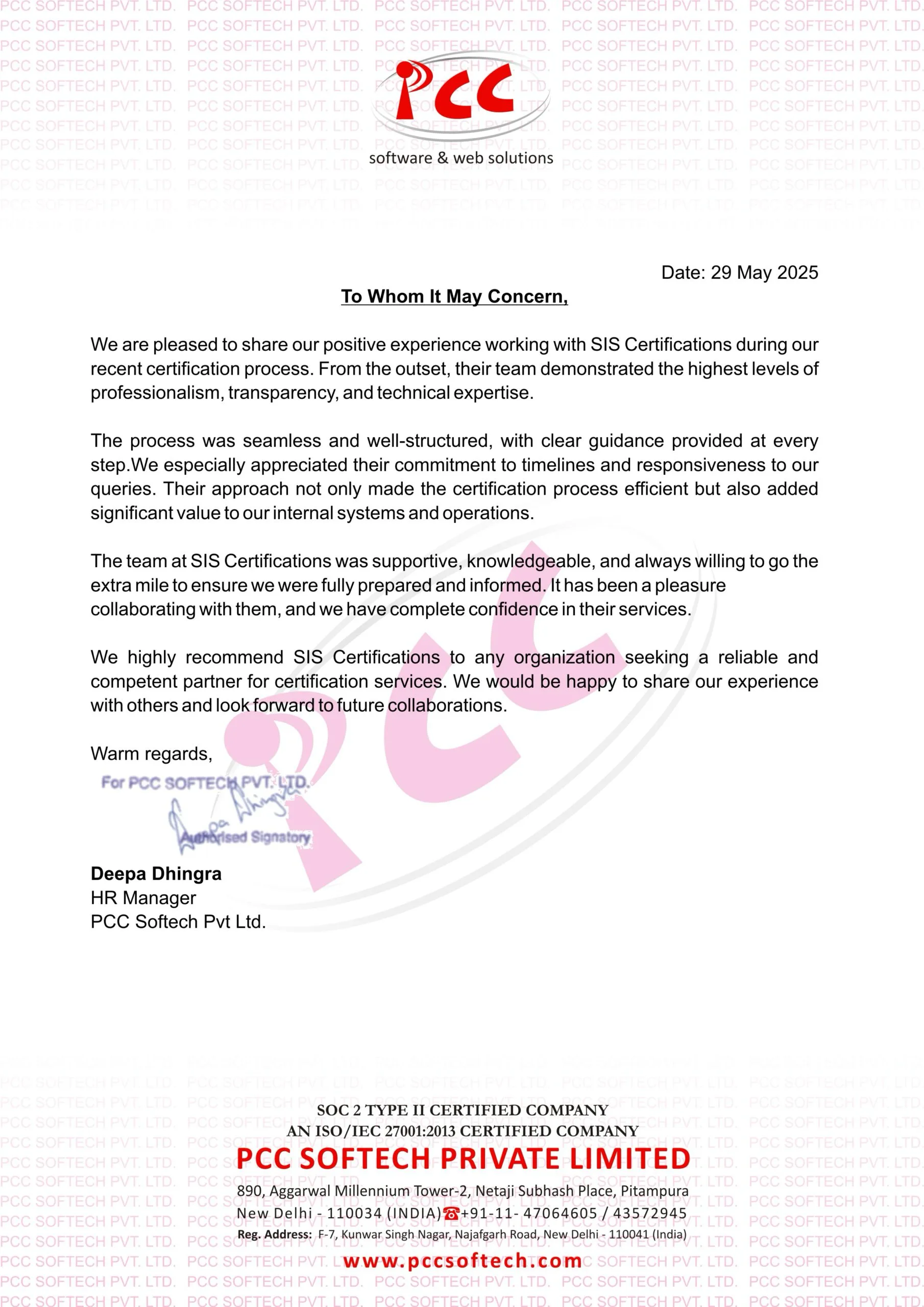
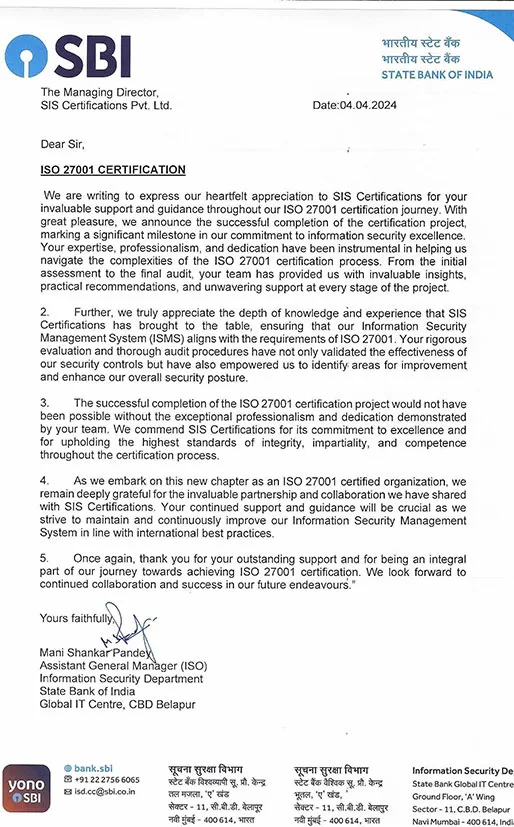
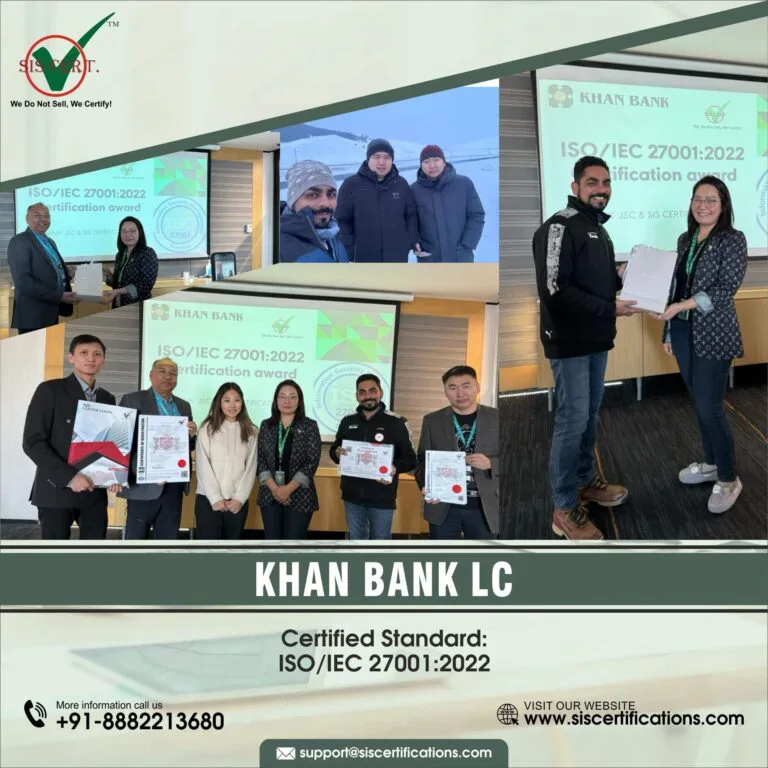
Clients Who Trust SIS Certifications




























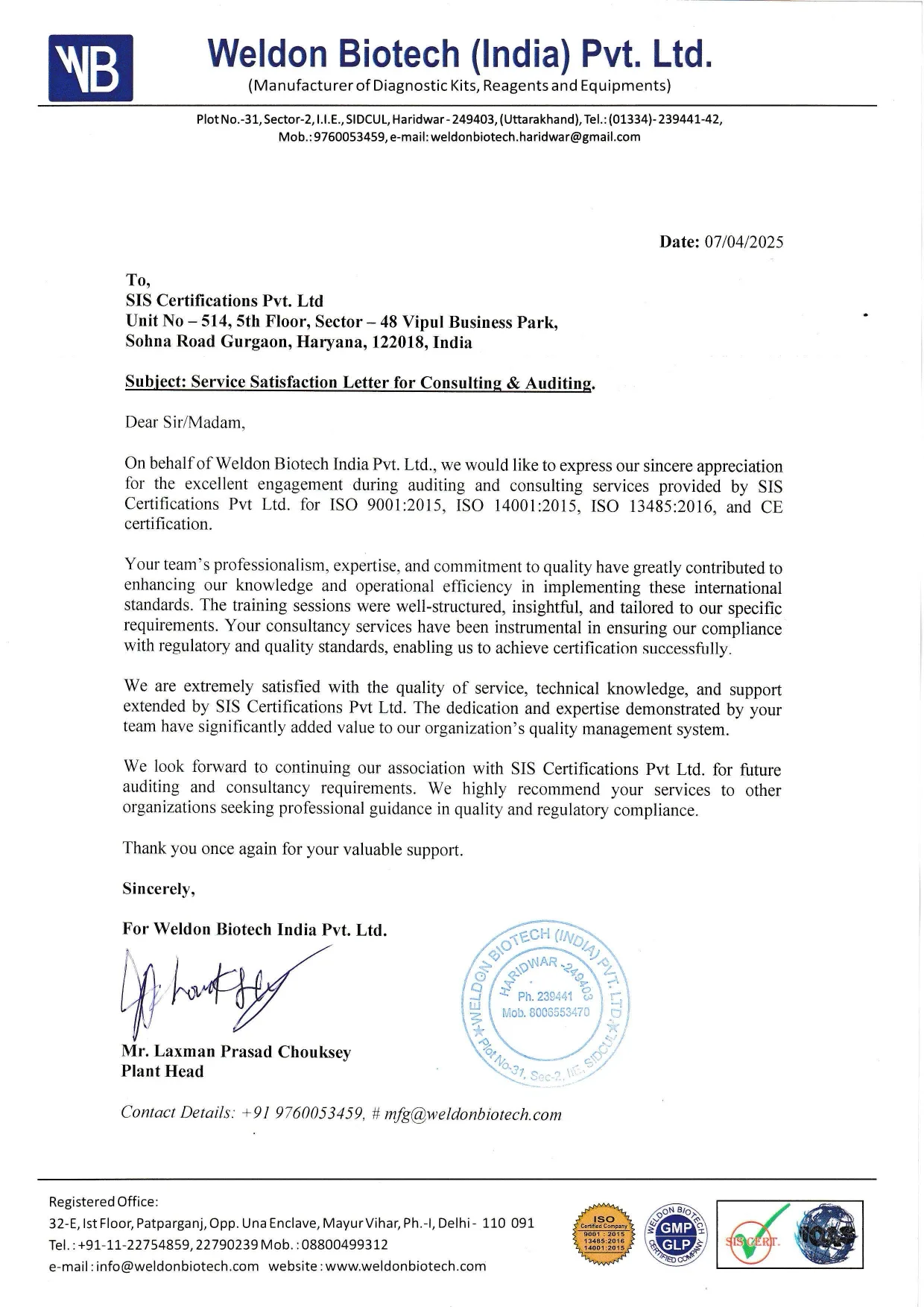
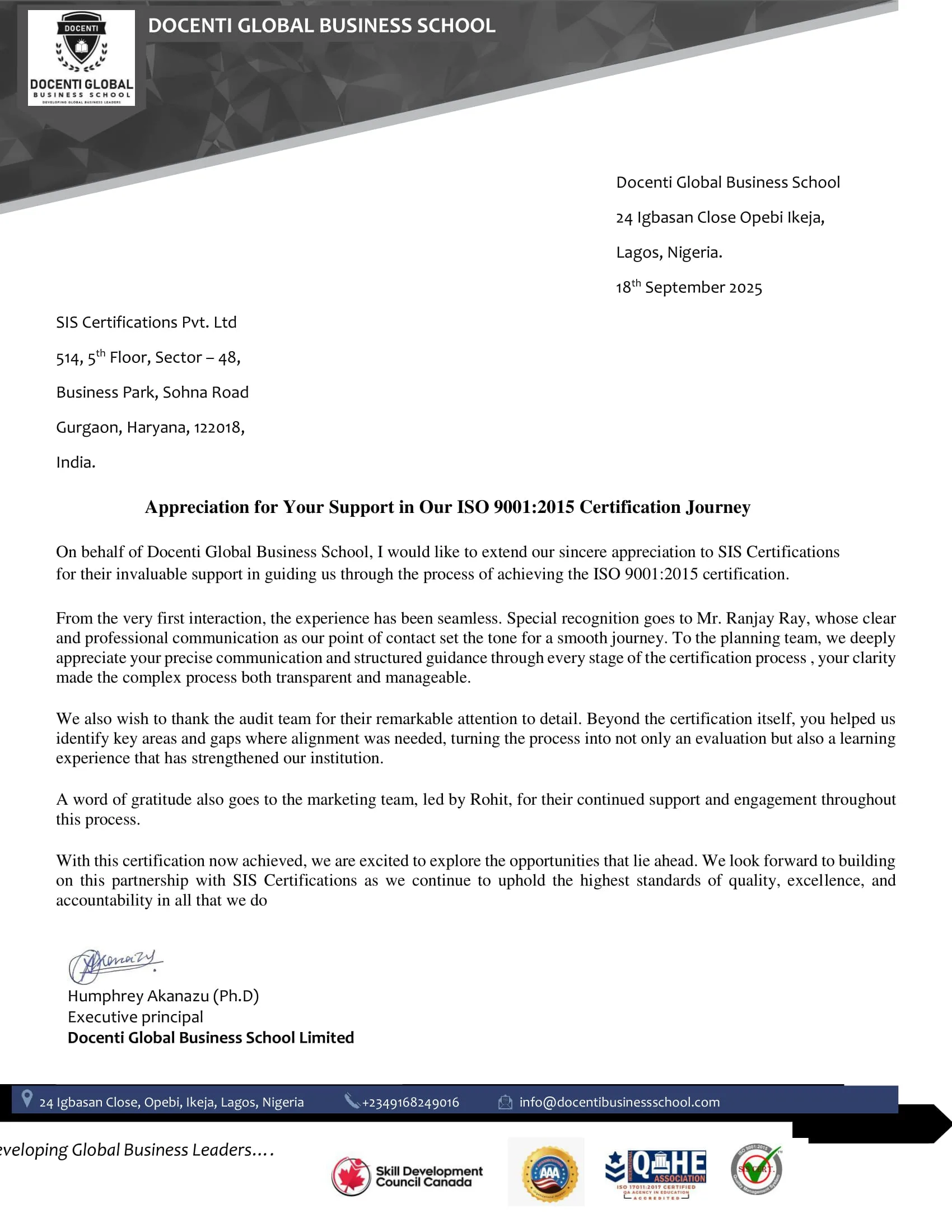
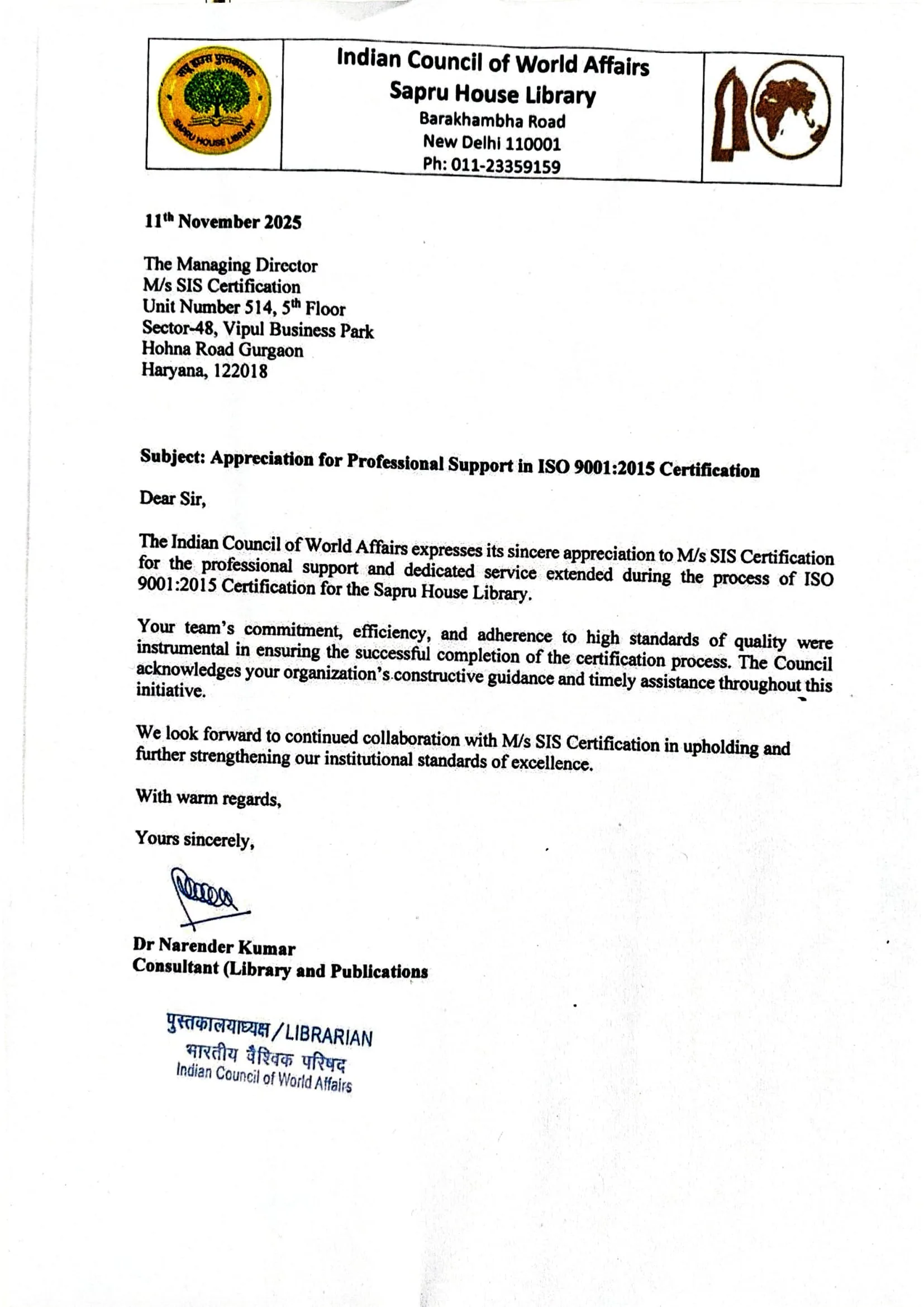
What Clients Say About SIS Certifications

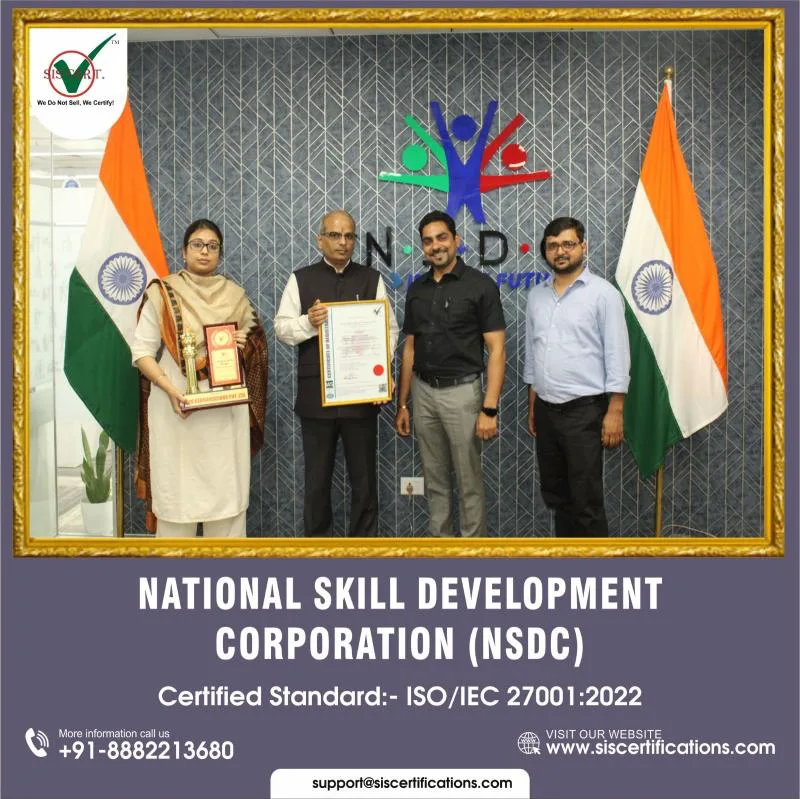
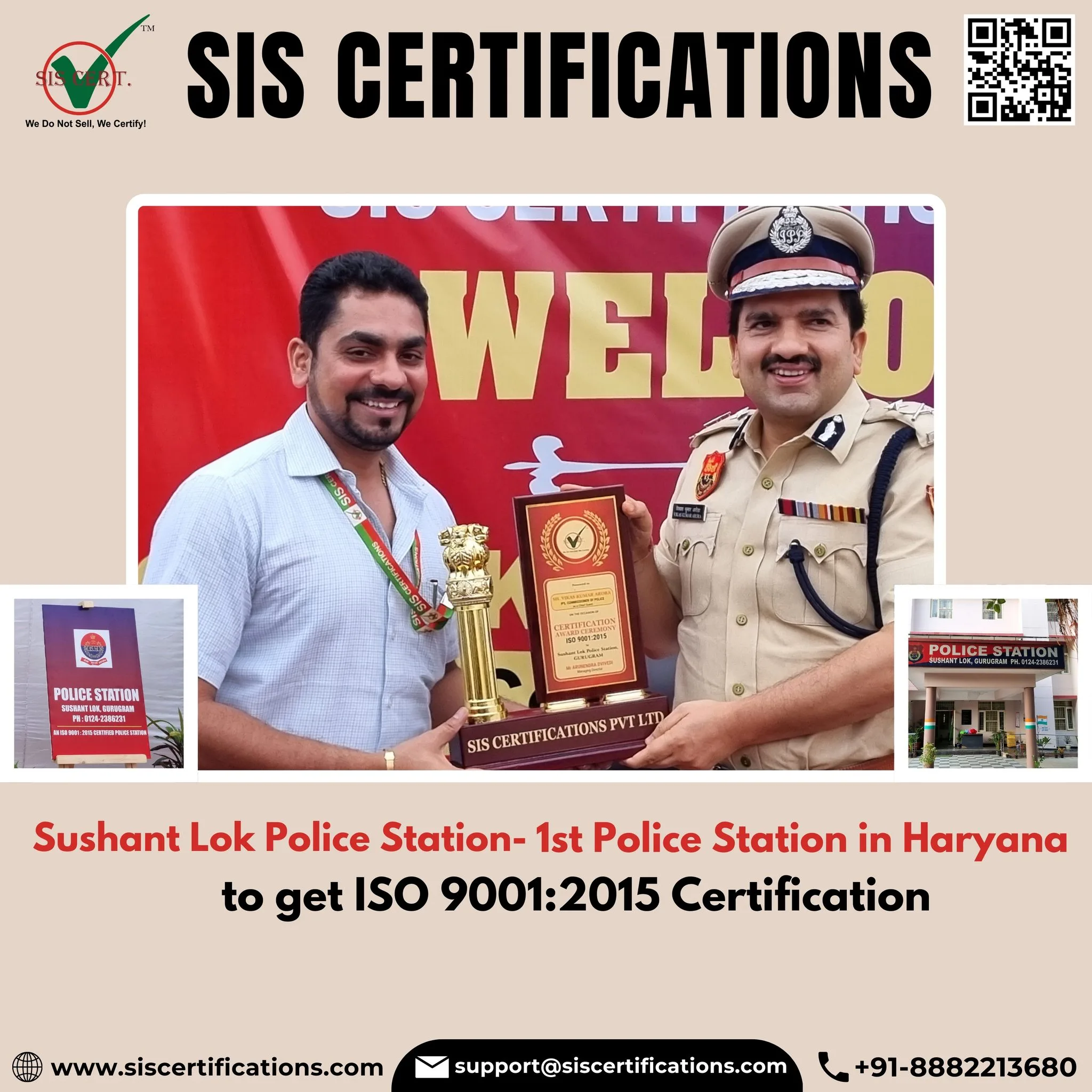
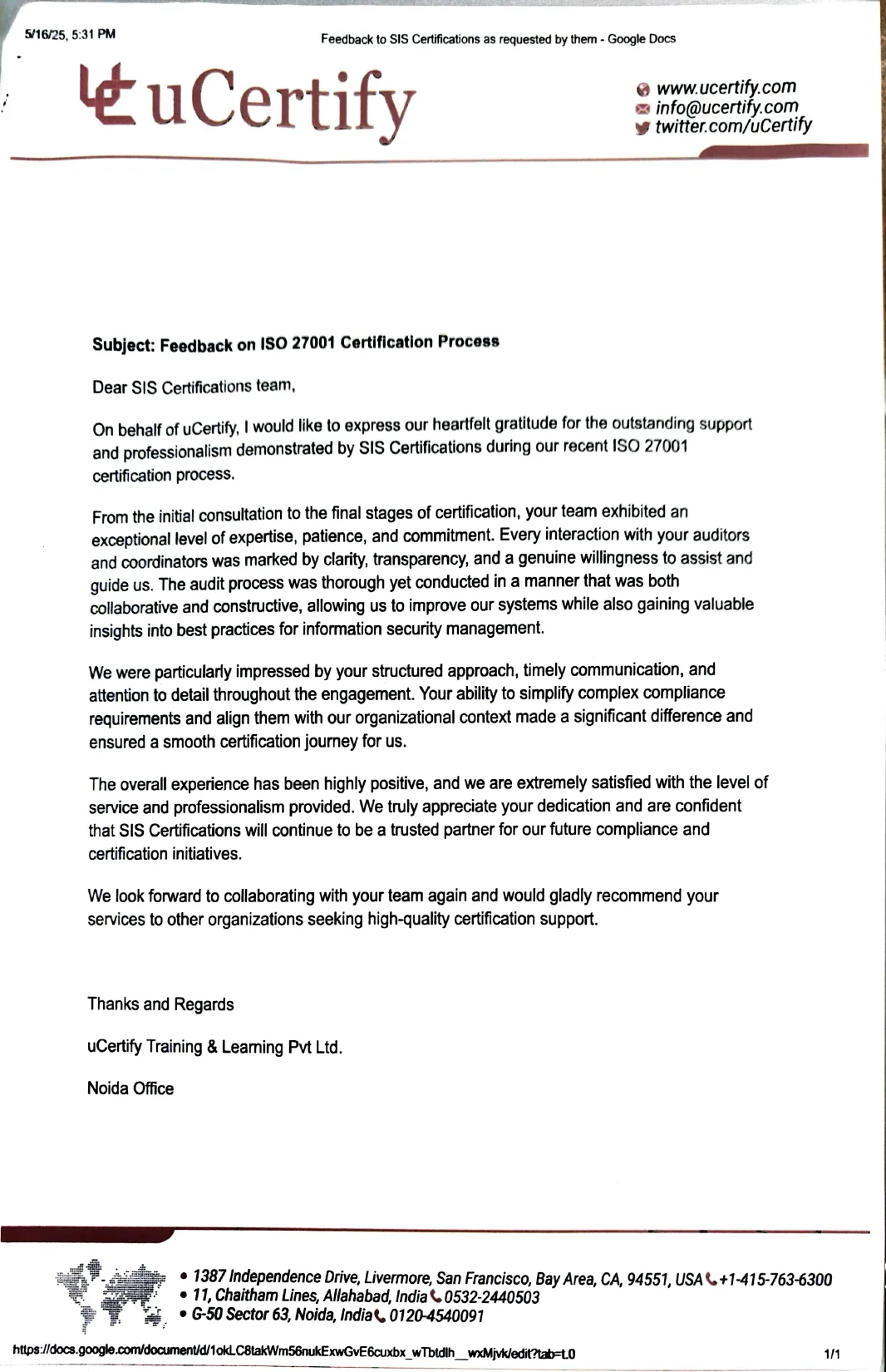
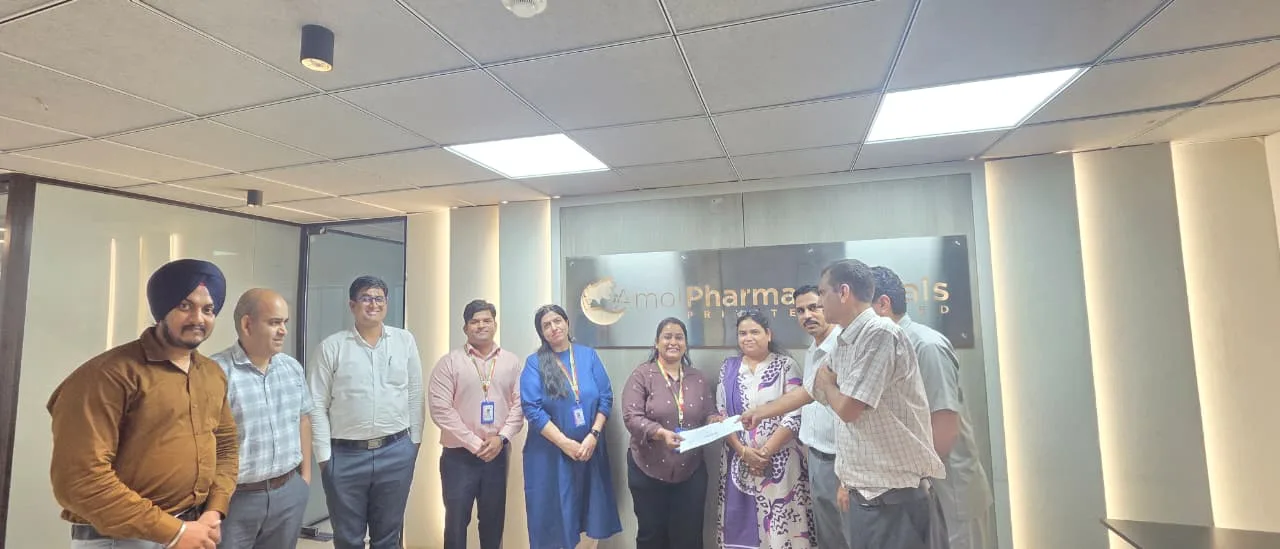
Not sure where your organisation sits?
Tell us your sector and what triggered the requirement. A specialist will map it to the right certification and send an indicative quote within two business hours.
Find My Industry →